Español
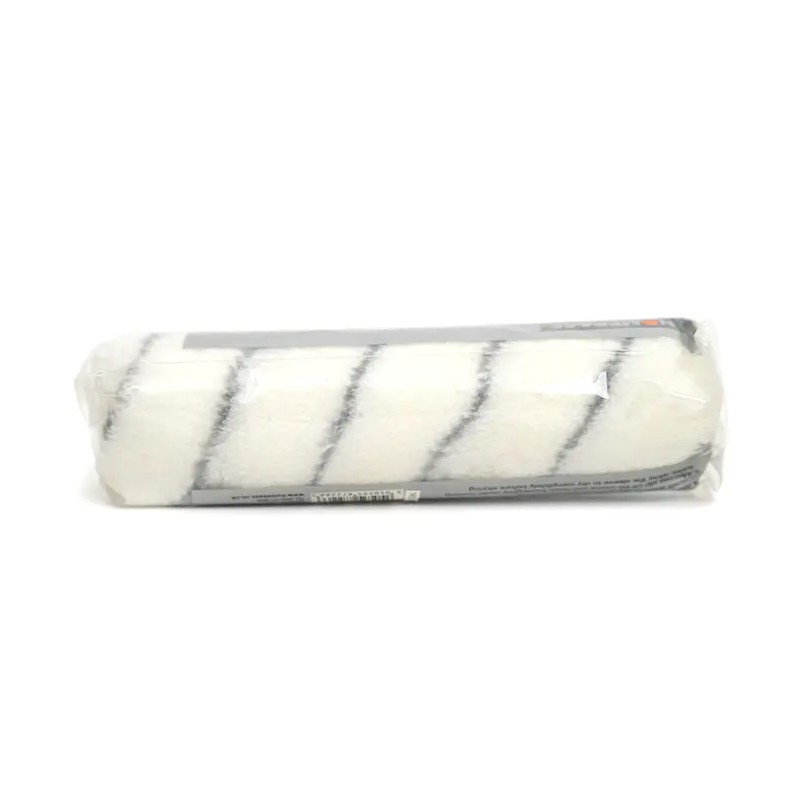
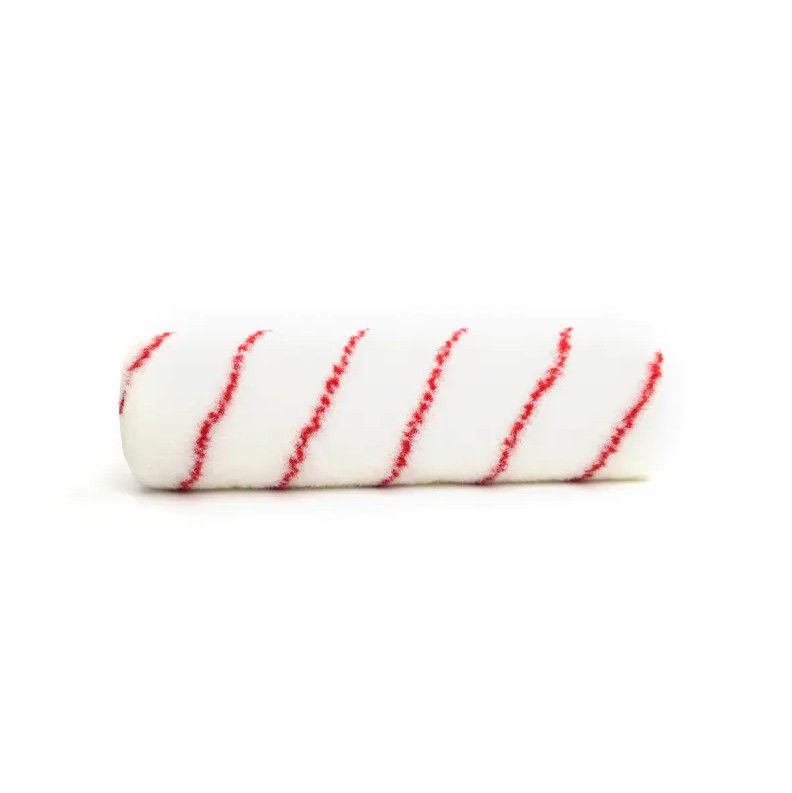
A quality paint roller frame is important because it directly determines how evenly, efficiently, and comfortably you can apply paint across large surfaces. A poorly made frame wobbles, sheds material, and fatigues your arm — while a well-engineered one holds the roller cover securely, distributes pressure uniformly, and lets you work for hours without strain. In short, the frame is the backbone of every roller paint job, and skimping on it costs you more time, paint, and effort than you save.
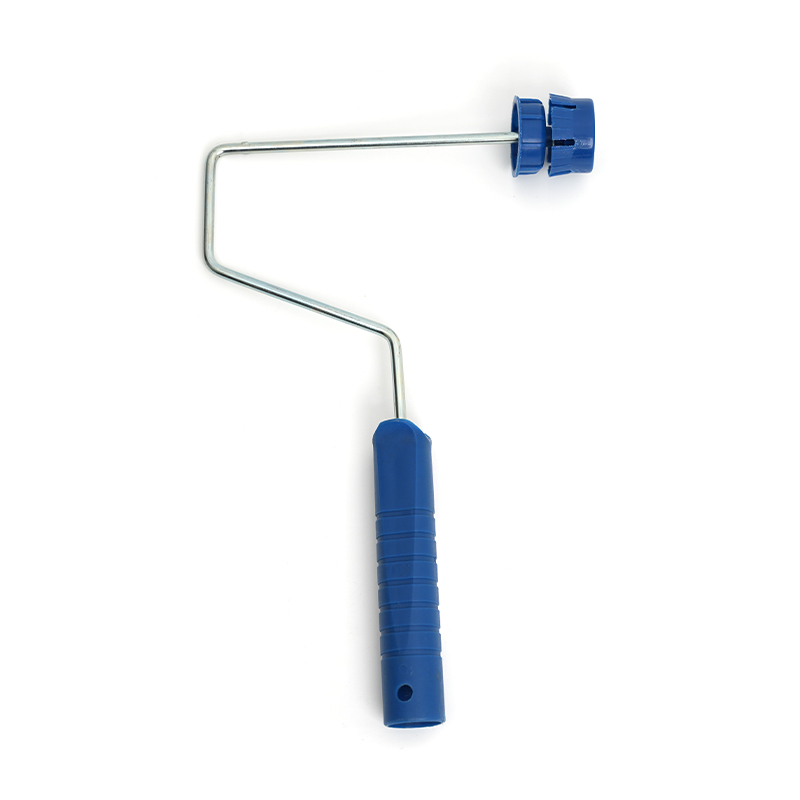
Paint roller frames are tools used in painting projects to cover large areas quickly and efficiently. Each frame consists of a handle attached to a metal or composite cage that supports the roller cover. Frame widths typically range from 4 inches to 18 inches, with 9-inch frames being the most common for interior walls. Understanding why frame quality matters helps you make a smarter purchase before your next project.
Content
- 1 How Frame Construction Affects Paint Application
- 2 The Role of the Threaded Handle and Extension Pole Compatibility
- 3 Roller Cover Retention: Why It Matters More Than You Think
- 4 Frame Size and Matching It to the Project
- 5 Durability and Long-Term Cost Efficiency
- 6 Impact on Finish Quality and Professional Results
- 7 Key Features to Look for in a Quality Paint Roller Frame
- 8 Common Problems Caused by Low-Quality Roller Frames
- 9 Caring for a Quality Paint Roller Frame to Maximize Its Lifespan
How Frame Construction Affects Paint Application
The structural integrity of a roller frame governs how consistently paint transfers from cover to wall. A frame built from heavy-gauge steel wire resists flex under load, ensuring the roller cover stays parallel to the surface even when you apply firm pressure. Cheaper frames made from thin or low-grade metal bend slightly with every stroke, creating pressure inconsistencies that leave streaks, uneven sheen, and patchy coverage.
The cage design — the wire cage that the roller cover slides onto — is equally critical. A well-spaced cage with five or more wire ribs keeps the cover from sagging or ballooning in the center. This matters especially with thicker nap covers (½ inch and above) that absorb significant paint weight. When a cover sags mid-roll, it deposits more paint at the center of the stroke than at the edges, forcing you to go back and blend constantly.
Wire Gauge and Frame Rigidity
Professional-grade frames typically use 3/16-inch or thicker steel rod for the main shaft, compared to the 1/8-inch rod found in budget models. This difference is small in measurement but significant in performance. A rigid shaft prevents the torque you apply through the handle from twisting the cage, which would cause the roller cover to track at a slight angle and leave tell-tale diagonal marks on the wall.
The Role of the Threaded Handle and Extension Pole Compatibility
Almost every quality paint roller frame features a threaded end on the handle designed to accept an extension pole. This is not a minor convenience — it is a functional requirement for painting ceilings, stairwells, and upper wall sections without a ladder. Standard threading follows a 3/8-inch, 16-threads-per-inch (3/8-16) specification, which is the industry norm for extension poles in North America and widely adopted in Europe.
Low-quality frames sometimes use a non-standard or loosely machined thread. The result is a pole connection that wobbles, strips over time, or disengages mid-stroke. A stripped connection midway through painting a ceiling can cause drips, an uneven finish, or worse, a dropped roller. Quality frames use precisely cut threading and durable handle materials — typically reinforced nylon or rubberized composites — that maintain a tight connection with poles throughout the job.
Handle Ergonomics and Fatigue Reduction
A quality handle also reduces hand and wrist fatigue during extended painting sessions. Textured, contoured grips allow a relaxed but controlled hold, while smooth plastic handles require constant muscular effort to maintain grip, especially when the handle becomes slick with paint. For a room that requires three to four hours of rolling, this difference translates directly into steadier strokes and a more uniform finish by the end of the job.
Roller Cover Retention: Why It Matters More Than You Think
A paint roller frame must hold the roller cover securely without allowing it to slip, spin freely, or fly off the cage during use. Quality frames achieve this through one of two mechanisms: a spring-loaded end cap or a precision-fitted cage diameter that grips the cover's inner cardboard core with slight friction.
When a roller cover is loose on its frame, it does not rotate at the same speed as the frame's movement across the wall. Instead of rolling smoothly, it skips and slides, depositing paint unevenly and creating a stippled or dragged texture rather than the consistent finish the cover was designed to produce. This is one of the most common causes of poor results that painters mistakenly attribute to the paint or the cover itself.
Equally important is cover removal. After a job, a quality frame allows you to slide the cover off cleanly without bending the cage or deforming the cover. Frames with poorly designed end caps often require excessive force for removal, damaging the cover and making it unusable for the next coat.
Frame Size and Matching It to the Project
Paint roller frames come in a range of standard widths, and choosing the right size for the task is a fundamental part of achieving a professional result. Using an oversized frame in a tight space creates awkward maneuvering and edge skips; using an undersized frame on a large open wall multiplies the number of strokes needed and increases the chance of visible lap lines.
| Frame Width | Best Application | Typical Coverage Rate |
|---|---|---|
| 4 – 6 inches | Doors, trim, cabinets, tight corners | 50 – 100 sq ft/hr |
| 9 inches | Interior walls, ceilings, standard rooms | 150 – 250 sq ft/hr |
| 12 – 14 inches | Large commercial walls, open floor areas | 300 – 450 sq ft/hr |
| 18 inches | Warehouses, gymnasiums, wide exterior surfaces | 500 – 700 sq ft/hr |
A quality frame in the right size allows the cover to make full, consistent contact with the surface at every point in the stroke. Because the frame holds the cover at a fixed, engineered distance from the central axis, it ensures that even pressure is applied whether you are pushing or pulling, loading or unloading paint.
Durability and Long-Term Cost Efficiency
A recurring argument against investing in a quality roller frame is cost — professional frames can cost three to five times more than economy versions. However, the total cost of ownership favors the quality frame significantly when viewed across multiple projects. A well-made metal frame can last for hundreds of painting sessions with proper cleaning, while a low-quality frame often distorts or corrodes after a handful of uses, requiring replacement.
Consider a typical homeowner who repaints two rooms per year. A budget frame priced at a few dollars might last one or two seasons before the cage warps or the handle cracks. A professional frame priced at three to four times as much can serve reliably for a decade or more. Over a ten-year horizon, the quality frame is not only cheaper per use but also eliminates the performance degradation that comes with worn frames — bent cages, loose covers, and stripped threads.
Resistance to Corrosion and Chemical Exposure
Paint contains water, solvents, and chemical additives that corrode unprotected metal over time. Quality frames use galvanized, chrome-plated, or stainless steel wire that resists rust even after repeated exposure to water-based and oil-based paints. Frames cleaned and stored properly after each use can maintain their geometry and smooth rotation for years. Cheap frames with bare or lightly treated metal often show rust spots after just a few washings, which can transfer rust stains onto roller covers and contaminate fresh paint.
Impact on Finish Quality and Professional Results
The connection between frame quality and finish quality is direct and measurable. Professional painters consistently cite frame rigidity and cover retention as the two most influential hardware factors in achieving a smooth, streak-free wall. When the frame is stable and the cover spins true, the nap deposits paint in a uniform, overlapping pattern that self-levels as it dries. When the frame flexes or the cover wobbles, the paint pattern becomes irregular, and those irregularities are often visible once the paint dries — especially under raking light or in rooms with large windows.
For finish coats using sheen levels above eggshell — satin, semi-gloss, and gloss — the stakes are even higher. Higher-sheen paints reflect light more intensely and reveal surface imperfections more readily than flat or matte finishes. A quality frame that delivers consistent, even pressure is not a luxury for these applications; it is a necessity.
Reducing Laps, Holidays, and Rework
In painting terminology, a "holiday" is a missed spot, and a "lap" is a visible overlap line where two wet edges dried before being blended. Both defects increase dramatically when the tool misbehaves. A quality frame helps prevent these problems by ensuring that each stroke deposits paint reliably from one end of the roller to the other. This allows you to maintain a wet edge efficiently, blending each new stroke into the previous one before the paint starts to set — a technique that virtually eliminates visible lap lines.
Key Features to Look for in a Quality Paint Roller Frame
When evaluating roller frames, look beyond price and pay attention to the specific design features that determine real-world performance. The following characteristics distinguish professional-grade frames from budget alternatives:
- Heavy-gauge wire construction: Look for frames that feel solid and show no flex when you apply lateral pressure to the cage by hand.
- Five or more cage ribs: More ribs provide better support across the roller cover's width, preventing sagging under paint weight.
- Smooth-spinning bearings: The cage should spin freely with almost no resistance when you flick it by hand. Rough bearings increase rolling resistance and cause uneven paint deposition.
- Standard 3/8-16 threaded handle: Ensures compatibility with a wide range of extension poles from any manufacturer.
- Corrosion-resistant finish: Galvanized, chrome-plated, or stainless steel surfaces resist rust through repeated washings.
- Comfortable, textured handle grip: Reduces hand fatigue and maintains control during long painting sessions.
- Secure end cap or retention mechanism: Prevents the cover from sliding off during use while still allowing clean, easy removal after the job.
You do not need the most expensive frame on the market, but you should be able to verify each of these features before purchasing. A frame that passes all of these checks will outperform a budget alternative in every measurable way — application consistency, user comfort, durability, and finish quality.
Common Problems Caused by Low-Quality Roller Frames
Understanding the failure modes of poor-quality frames helps clarify why frame quality is worth prioritizing. The following issues are frequently reported by painters who use budget frames:
- Wobbling or spinning covers: A loose cage-to-core fit lets the cover spin independently of the frame, producing an inconsistent paint pattern and wasted effort.
- Cage warping after first use: Thin wire deforms under the weight of a paint-loaded cover, permanently altering the geometry of the frame and making subsequent use unreliable.
- Handle snapping under pressure: Brittle plastic handles are prone to sudden failure, particularly when extension poles are attached and additional torque is applied.
- Rust transfer to paint: Unprotected metal corrodes quickly, and rust particles can work their way into the roller cover and appear as orange or brown specks in the dried paint film.
- Pole connection failure: Non-standard or poorly machined threads strip after a few uses, rendering the extension pole incompatible and forcing ladder use for overhead work.
- Difficulty cleaning: Rough surfaces and corroded wire trap dried paint, making thorough cleaning between coats or sessions nearly impossible and shortening the usable life of both frame and cover.
Each of these problems adds time, material cost, or physical effort to what should be a straightforward task. Investing in a quality frame eliminates virtually all of these failure modes and allows you to focus entirely on technique rather than troubleshooting equipment.
Caring for a Quality Paint Roller Frame to Maximize Its Lifespan
Even the best roller frame requires basic maintenance to perform well over time. Proper care takes only a few minutes after each use but dramatically extends the frame's service life and keeps it operating at peak performance.
Cleaning After Each Use
Remove the roller cover immediately after finishing. Rinse the cage under running water for water-based paints, or use the appropriate solvent for oil-based coatings. Spin the cage to remove trapped water and check the bearing for smooth rotation. Dry the frame completely before storage — leaving it wet is the primary cause of cage corrosion, even on coated frames.
Inspecting for Damage Between Uses
Before each project, take thirty seconds to inspect the cage for bent ribs, check the bearing for drag, and test the thread connection with your extension pole. Catching a minor issue — a slightly bent rib, a gritty bearing — before painting allows you to correct it without disrupting the project. A bent rib can often be straightened with pliers; a gritty bearing can be freed with a light application of lubricant. Replacing a frame that has reached the end of its useful life before starting a project is always better than discovering the problem mid-stroke.