Español
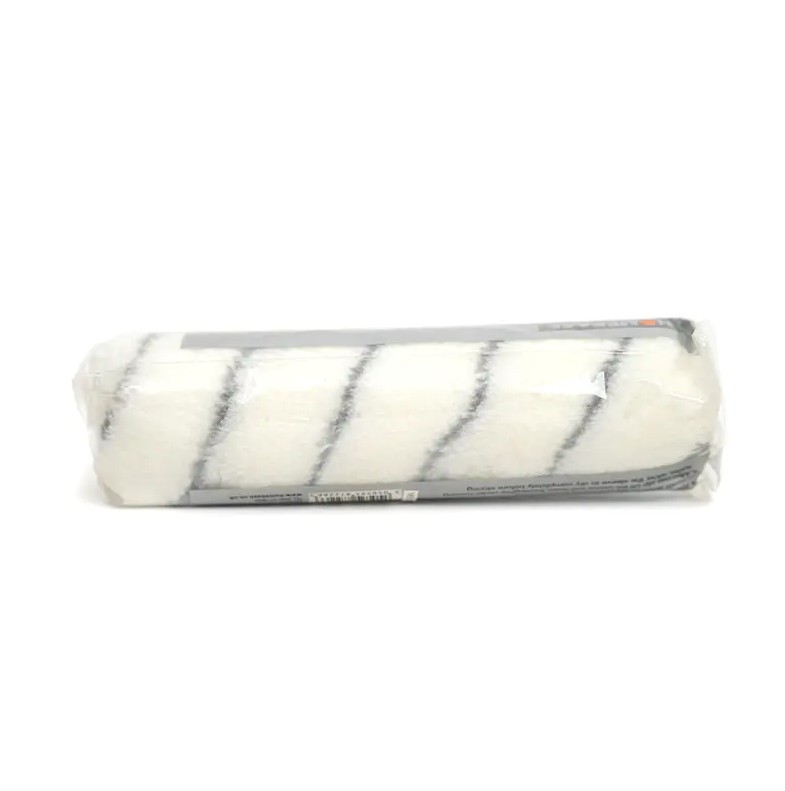
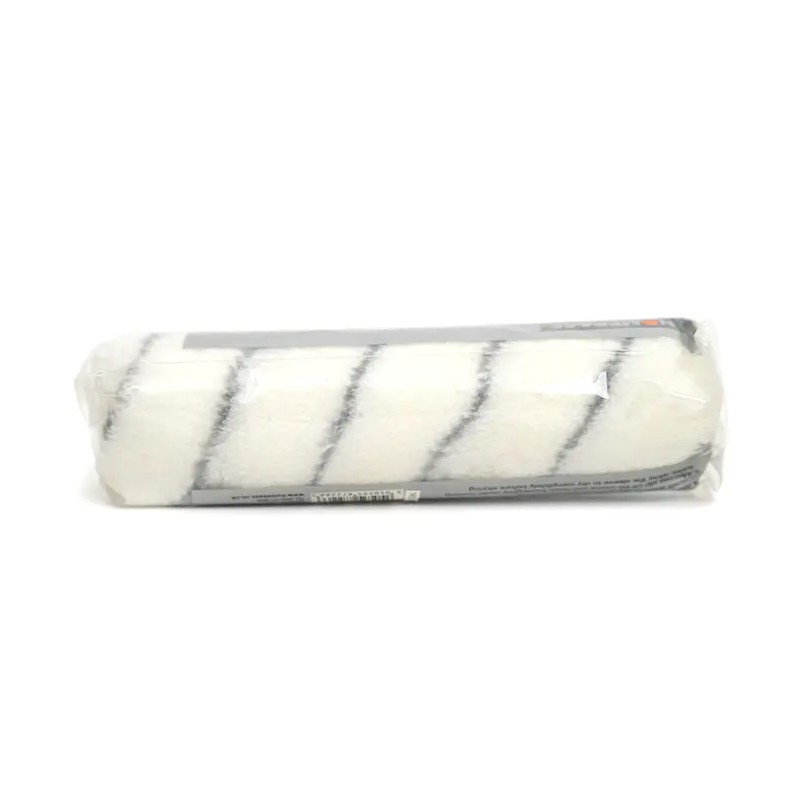
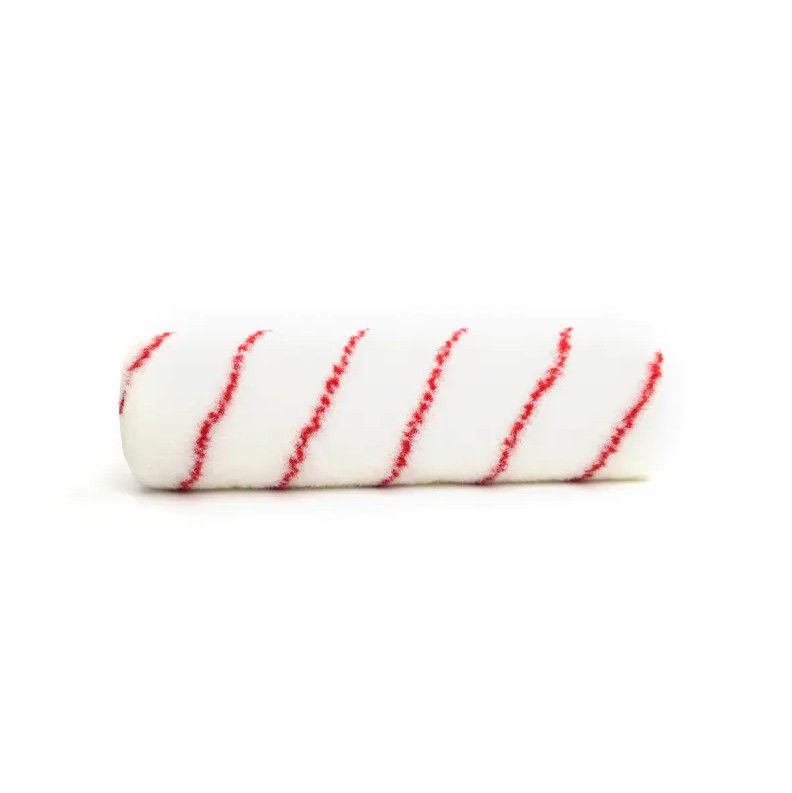
For textured walls, use a 3/4 inch to 1 inch nap roller cover. This nap length is long enough to reach into the grooves and ridges of textured drywall, popcorn ceilings, and stucco without skipping over the low spots. For exterior textured surfaces like heavy stucco or concrete block, sizing up to a 1 1/4 inch nap is the safer choice. Pair this nap length with a quality Paint Roller Cover built with a durable woven or knit fabric so the cover holds its shape through repeated loading and rolling.
Content
Match Nap Length To Surface Roughness
Nap length is the single biggest factor in roller selection, and the rule is straightforward: rougher surfaces need longer fibers to physically reach into the valleys of the texture. According to Wooster Brush, smooth surfaces call for a short nap of 3/16 to 1/4 inch, while rough surfaces require a nap of 3/4 to 1 1/2 inches so the longer fibers can get into the texture's low points (Source: Wooster Brush, How To Match A Roller Cover To Surface). Using a nap that is too short on a textured wall means paint only touches the raised areas, leaving the recessed texture bare or under-coated.
Manufacturer guidance is consistent on this point. Purdy recommends a 3/4 inch nap specifically for textured ceilings, stucco, and masonry, and a 1/2 inch nap for lightly textured walls, decks, and concrete (Source: Purdy, How to Choose a Paint Roller Cover). Valspar gives nearly identical advice, suggesting a 1/2 inch nap for light texture and a 3/4 inch nap for deeper texture on stucco and masonry (Source: Valspar, Roller Guide).
Nap Length Reference Table
| Surface Type | Recommended Nap |
| Smooth drywall, cabinets, metal | 1/4 inch |
| Standard walls and ceilings | 3/8 inch |
| Lightly textured walls, decks, concrete | 1/2 inch |
| Textured walls, stucco, masonry | 3/4 inch to 1 inch |
| Brick, concrete block, heavy texture | 1 1/4 inch to 1 1/2 inch |
If a wall has only a faint orange-peel or sand texture, a 1/2 inch nap is usually enough. For pronounced texture such as knockdown, skip trowel, or stucco, move up to the 3/4 to 1 inch range, since this is the size most consistently recommended by Purdy, Valspar, and Wooster Brush for that category of surface.
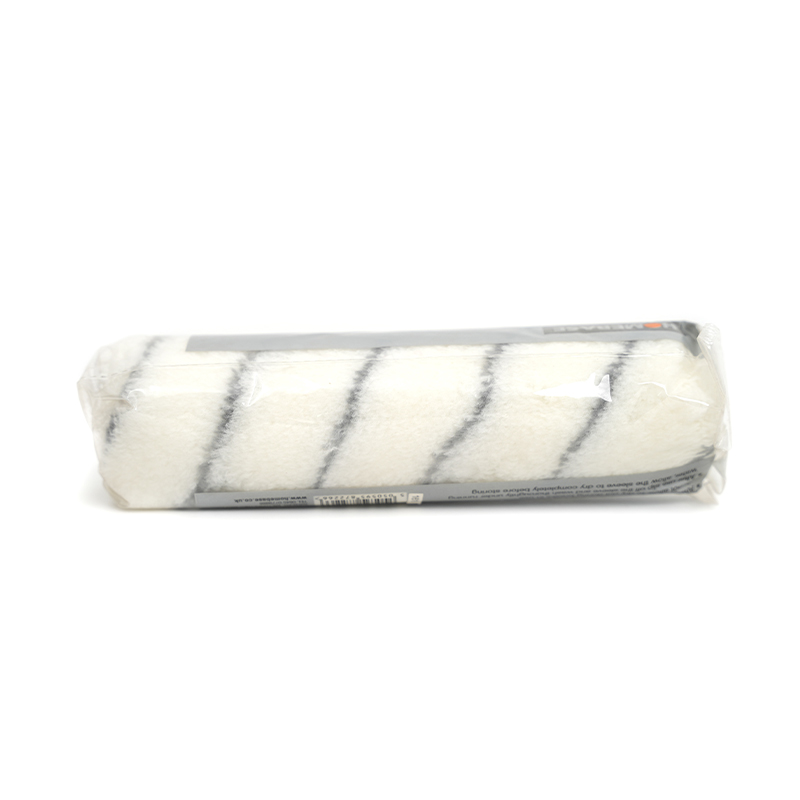
Choose The Right Fabric For Your Paint
Nap length determines reach, but the fabric determines how well the roller absorbs and releases paint. The most common cover materials are synthetic fibers, natural fibers, and microfiber blends, and each performs differently depending on the paint being used.
Synthetic Covers For Water-Based Paint
Synthetic covers, typically nylon or polyester, are the standard choice for latex and other water-based paints. ThePaintStore.com notes that synthetic rollers like polyester work well with both oil and water-based paints and resist matting over repeated use (Source: ThePaintStore.com, Ultimate Paint Roller Nap Guide). Rollingdog Tools adds that synthetic fibers including nylon, polyester, and PBT are durable, water resistant, and well suited to water-based formulas (Source: Rollingdog Tools, Paint Roller Covers Nap Lengths and Surface Matching Guide).
Natural Fiber Covers For Oil-Based Paint
Natural fiber covers, often lamb's wool or mohair, are the better match for oil-based paints and stains, and CyPaint specifically notes they excel on rough surfaces like brick, stucco, or textured walls (Source: CyPaint, Choosing The Perfect Roller Nap For Your Painting Project). If a textured wall is being finished with an oil-based product, a natural fiber cover in the 3/4 inch range will generally outperform a synthetic one for paint pickup and release.
Knit Versus Woven Construction
Beyond fiber type, the backing construction matters too. Woven covers tend to hold their shape well for heavier, longer-nap applications, while knit covers are often favored for textured surfaces because they release paint more evenly into deep grooves. Valspar specifically recommends knit covers with a 3/4 inch nap for stucco, decks, and masonry, citing the even coat they leave with minimal effort (Source: Valspar, Roller Guide).
Avoid These Common Mistakes
Most uneven results on textured walls trace back to one of two avoidable errors.
- Using too short a nap on a rough wall, which wastes paint and produces a patchy look with visible gaps, since the short fibers cannot reach the texture's low points (Source: PaintSeeker, A Guide To Roller Nap Lengths)
- Using too long a nap on a smooth wall, which can leave a textured look, cause drips, or create an uneven, overly thick coat (Source: Wooster Brush, How To Match A Roller Cover To Surface)
- Skipping a test patch before committing to a full wall, which prevents catching a mismatch between nap size and texture before paint is on every wall
- Pairing a long nap with thin paint, which reduces how well the fibers hold and release the coating; longer naps perform best with thicker, higher quality paints (Source: CyPaint, Choosing The Perfect Roller Nap For Your Painting Project)
A simple way to confirm the right choice is to test a small, inconspicuous section of the wall first. If the roller leaves bare patches in the texture's recesses, move up to a longer nap. If it leaves a heavier, bumpier coat than the wall's texture calls for, move down a size.
Practical Buying Checklist
Before purchasing a roller cover for a textured wall project, confirm the following four points to avoid a mismatched purchase:
- Identify how rough the texture actually is: light orange-peel calls for 1/2 inch, while deeper knockdown or stucco texture calls for 3/4 to 1 inch
- Match the fabric to the paint type: synthetic for latex, natural fiber for oil-based
- Choose woven or knit backing based on whether even release into deep grooves is the priority
- Buy a durable Paint Roller Cover rated for the nap length needed, since lower quality covers shed fibers and lose shape faster on rough surfaces
Getting the nap length and fabric right the first time means fewer reloads, fewer touch-up coats, and a more even finish across the entire textured surface.