Español
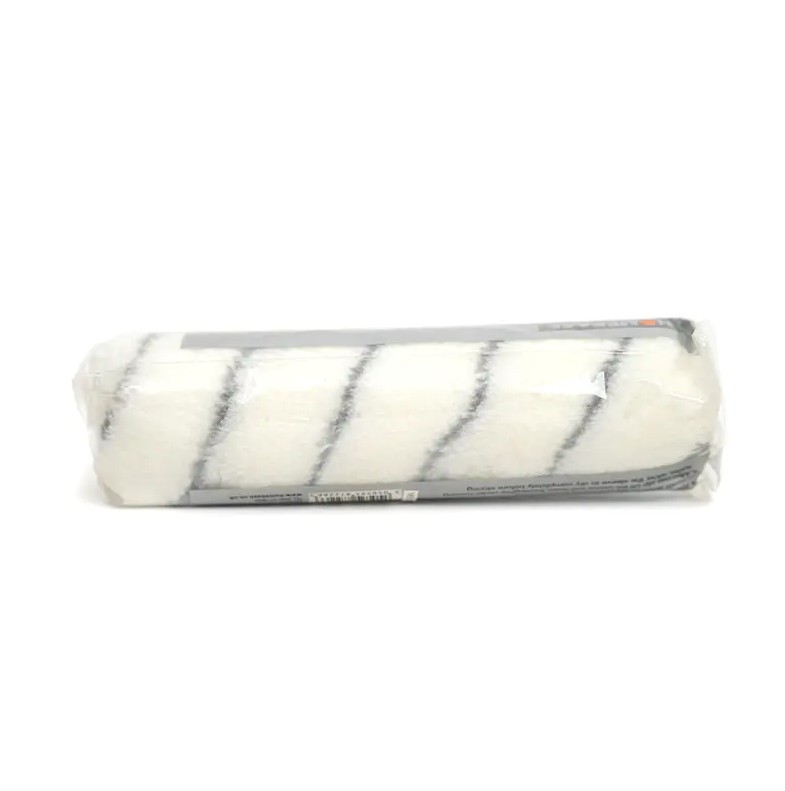
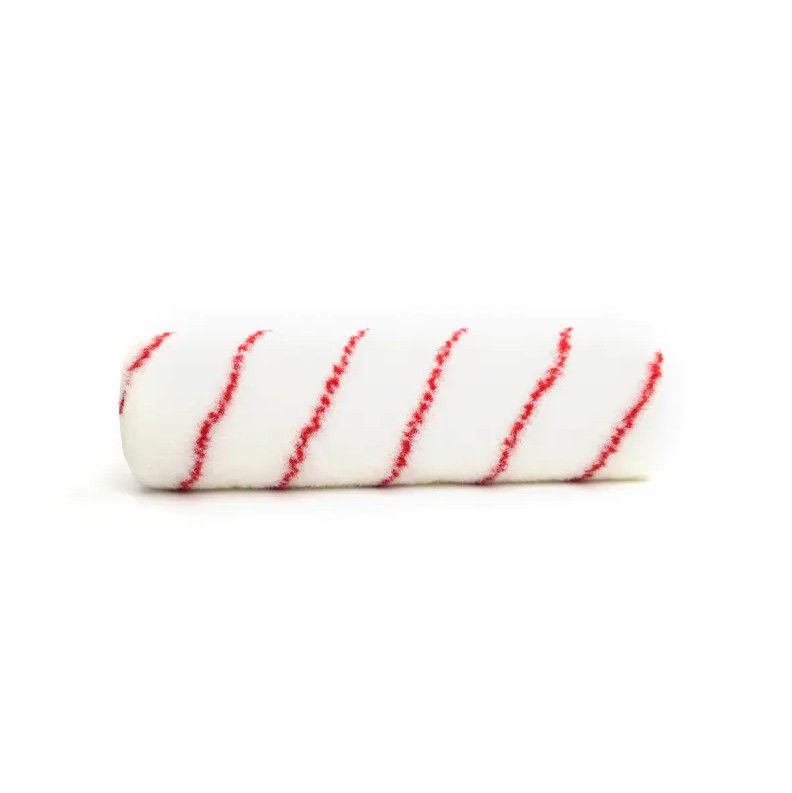
For most painting projects, a roller cover is the better choice. Rollers hold more paint, cover large flat surfaces like walls and ceilings far faster, and work across a wider range of textures depending on nap length. PaintSeeker sums up the practical split well, noting that a roller is the go-to tool for walls and ceilings, while a pad is better reserved for cutting clean lines, coating doors, and finishing smooth trim (Source: PaintSeeker, Paint Roller Vs Paint Pad). A brush pad still earns its place for edges, tight corners, and glass-smooth finishes, but for the bulk of a wall or ceiling job, a quality Paint Roller Cover will get the work done faster with fewer reloads.
Content
How A Roller And A Pad Actually Differ
The two tools move paint onto a surface through completely different mechanics, and that difference explains nearly every advantage and drawback each one has. PaintSeeker describes a roller as a rotating sleeve with fabric nap that holds more paint and covers large areas fast, while a paint pad uses a flat, flocked face that lays down a thin, even film with low splatter and crisp control near edges (Source: PaintSeeker, Paint Roller Vs Paint Pad). Old House Blog frames the comparison the same way, describing rollers as the workhorse for large flat surfaces and pads as better suited to smooth surfaces and precise cutting in around trim and ceilings (Source: Old House Blog, Paint Pad vs Roller).
That single mechanical difference, a rotating fiber sleeve versus a flat flocked face, is the root cause of every practical trade-off covered below.
Where A Roller Cover Wins
Speed On Large Surfaces
For walls, ceilings, and any other broad flat area, a roller cover is simply faster. Max Warehouse points out that rollers hold a significantly larger amount of paint than other applicators thanks to their cylindrical design, which means fewer trips back to the tray and quicker overall coverage (Source: Max Warehouse, Paint Pad vs Paint Roller: Which is Better). One DIYnot Forums contributor with trade painting experience put a number on the difference, reporting that a 12 foot by 12 foot ceiling can be covered with three coats by roller in a single morning, a pace a brush or pad simply cannot match on the same surface (Source: DIYnot Forums, paint pads vs rollers).
Versatility Across Textures
Rollers also adapt to a much wider range of surfaces than pads do. Fourth Home notes that depending on the roller cover's nap thickness, a roller can achieve either a smooth or a textured finish, making it versatile across different wall conditions (Source: Fourth Home, Paint pads vs paint rollers). Max Warehouse adds that rollers work well across walls, ceilings, floors, wood, and plaster, while different nap lengths extend that range even further (Source: Max Warehouse, Paint Pad vs Paint Roller: Which is Better). Paint pads, by contrast, are consistently described as better suited to smooth surfaces and less effective once a wall has real texture.
Fabric Construction Affects Speed And Finish
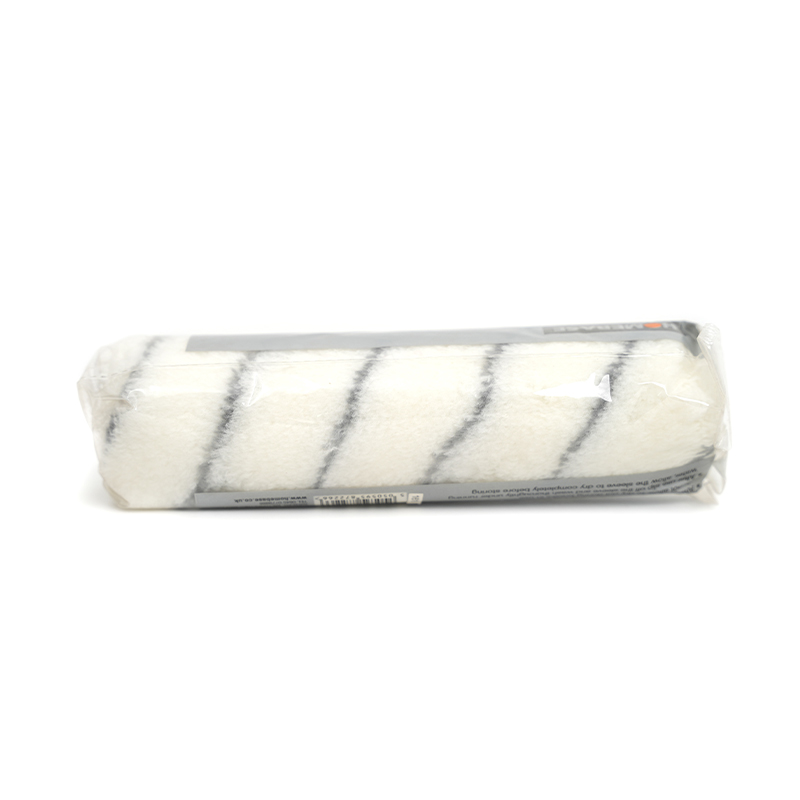
Within roller covers themselves, fabric construction changes the speed-versus-finish trade-off. Benjamin Moore explains that woven covers are ideal when a flawless, lint-free finish is the top priority, while knitted covers are the better choice when speed and coverage matter most, since they hold more paint and cover larger areas efficiently (Source: Benjamin Moore, How To Choose The Best Paint Roller Cover). This means the roller-versus-pad decision is not just about which tool to use, but also about choosing the right roller cover construction once a roller is selected.
Where A Paint Pad Wins
Precision Near Edges And Trim
Pads earn their keep in situations where control matters more than speed. Old House Blog notes that pads are particularly good for cutting in around trim and ceilings with their precise edges, often leaving a smooth, brush-stroke-free finish (Source: Old House Blog, Paint Pad vs Roller). Max Warehouse adds that the flat foam or plush pad distributes paint evenly across a surface, which results in better coverage especially in corners, and that pads tend to be more precise than rollers, reducing the likelihood of splashing or dripping (Source: Max Warehouse, Paint Pad vs Paint Roller: Which is Better).
Lower Splatter, Easier Cleanup Of The Work Area
The flat, controlled application of a pad means less mess to manage during the job itself. This Old House notes that paint pads excel in providing a spatter-free application, which makes them a strong choice for smaller spaces or situations where precision matters more than raw speed (Source: This Old House, How To Paint Quickly and Efficiently).
The Trade-Off: Lower Paint Capacity
The cost of that precision is reduced paint capacity. PaintSeeker notes plainly that paint pads hold less paint and work slower than rollers, while This Old House confirms that pads cannot hold as much paint as rollers (Source: PaintSeeker, Paint Roller Vs Paint Pad; This Old House, How To Paint Quickly and Efficiently). Fourth Home's own side-by-side test found that covering a large wall with a pad was time-consuming and physically tiring, and that the pad's limited paint capacity meant a second coat was sometimes necessary just to achieve full coverage (Source: Fourth Home, Paint pads vs paint rollers).
Side-By-Side Comparison
| Factor | Roller Cover | Paint Pad |
| Best surface size | Large walls and ceilings | Edges, trim, small areas |
| Paint capacity | High, fewer reloads | Lower, frequent reloads |
| Speed on flat surfaces | Fast | Slower |
| Edge and corner control | Moderate | Excellent |
| Texture versatility | Wide range via nap length | Best on smooth surfaces |
| Splatter level | Moderate | Low |
The Hybrid Approach Many Painters Use
Professional and experienced DIY painters often skip the either-or framing entirely and use both tools on the same project, matching each one to the part of the job it handles best. PaintSeeker describes a hybrid stain-application method where a high-capacity roller applies the bulk of the product quickly, immediately followed by a paint pad on an extension pole to back-pad the finish, combining the speed of the roller with the deep, even penetration of the pad (Source: PaintSeeker, Paint Roller Vs Paint Pad).
This same logic applies well beyond stain projects. A practical workflow for most rooms looks like this:
- Use a brush or small pad to cut in along ceiling lines, corners, and trim where precision matters most
- Switch to a roller cover for the main wall and ceiling surfaces to cover ground quickly and evenly
- Reach for a pad again on cabinet doors or smooth trim pieces where a brush-stroke-free finish is the priority
This combination consistently outperforms relying on a single tool for an entire project, since each applicator is doing the part of the job it is genuinely built for.
How To Choose For Your Specific Project
Use the following quick checks to settle the decision for any given job.
- If the surface is large and mostly flat, such as a wall or ceiling, choose a roller cover for speed and paint capacity
- If the surface has visible texture, such as orange-peel drywall or stucco, choose a roller cover with a nap length matched to that texture rather than a pad
- If the area is small, an edge, or a piece of trim, choose a pad for cleaner lines and less splatter
- If a glass-smooth, lint-free finish is the priority on cabinets or doors, choose either a pad or a woven roller cover, since both are built for that outcome
- If the budget favors fewer tools, a quality Paint Roller Cover alone can still handle the majority of a standard room, since it covers more surface types than a pad can on its own
For most rooms, the most efficient outcome comes from pairing the two tools rather than picking only one, but if only one applicator is going into the cart, a roller cover will handle a wider share of the job for most homeowners and professional painters alike.