Español
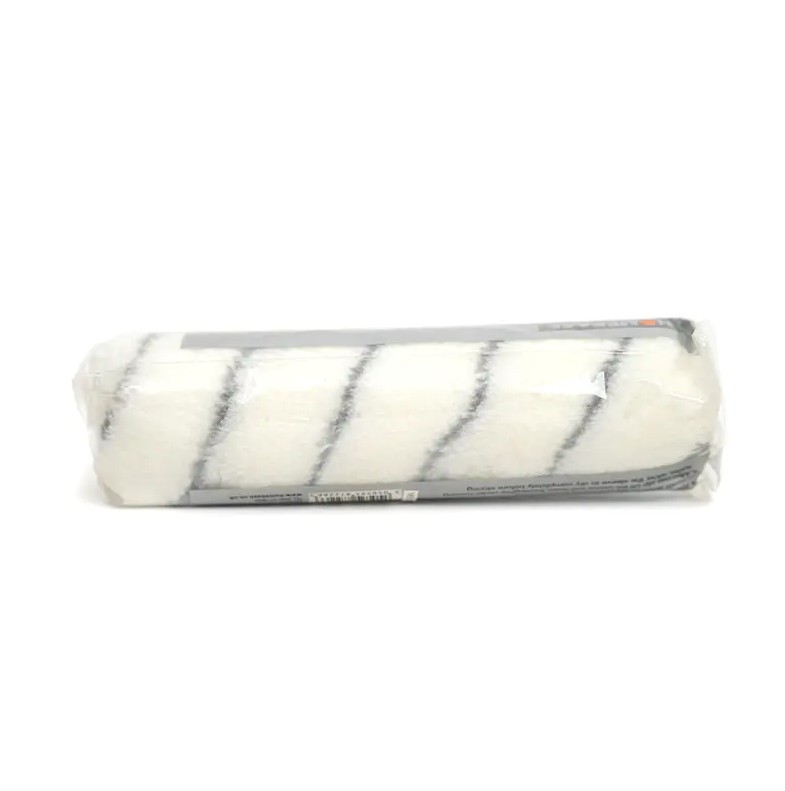
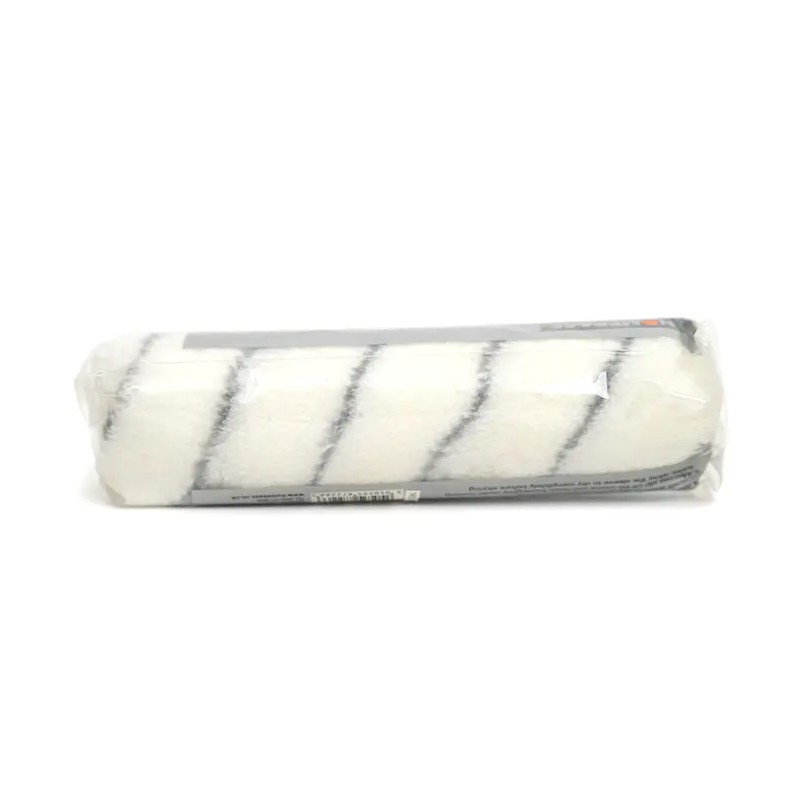
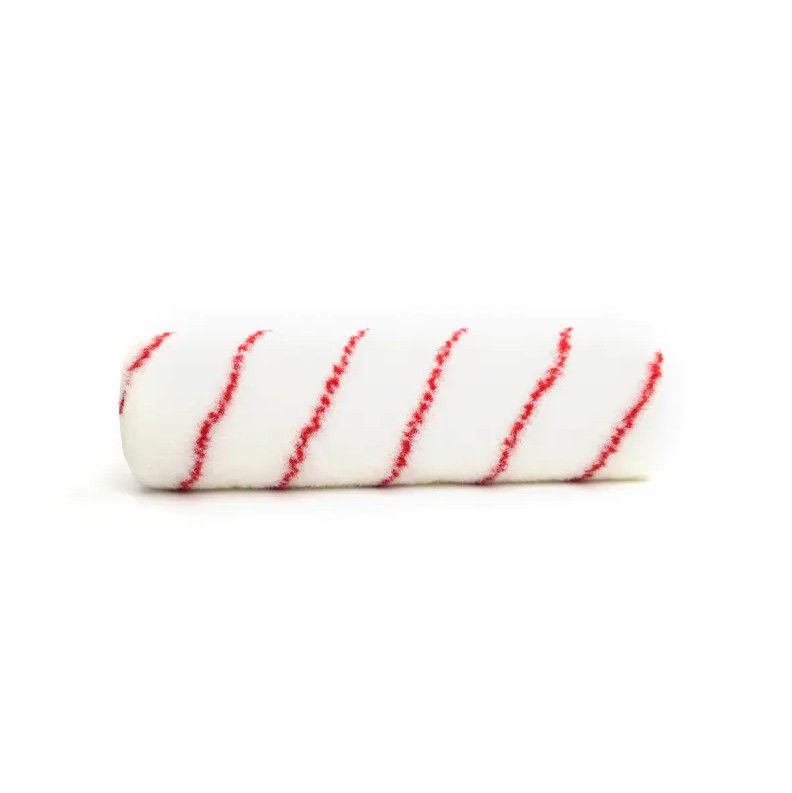
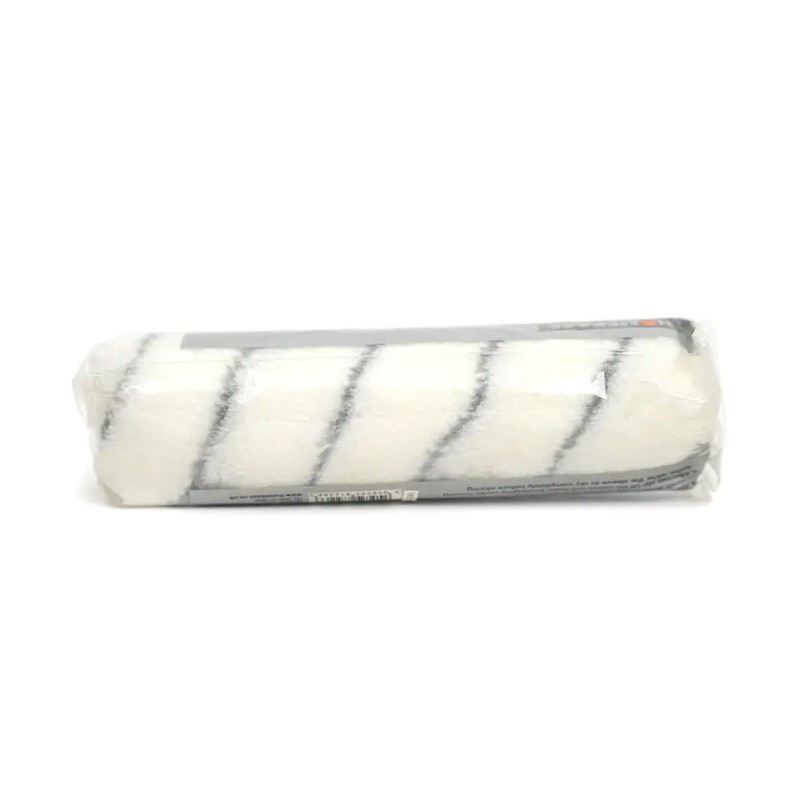
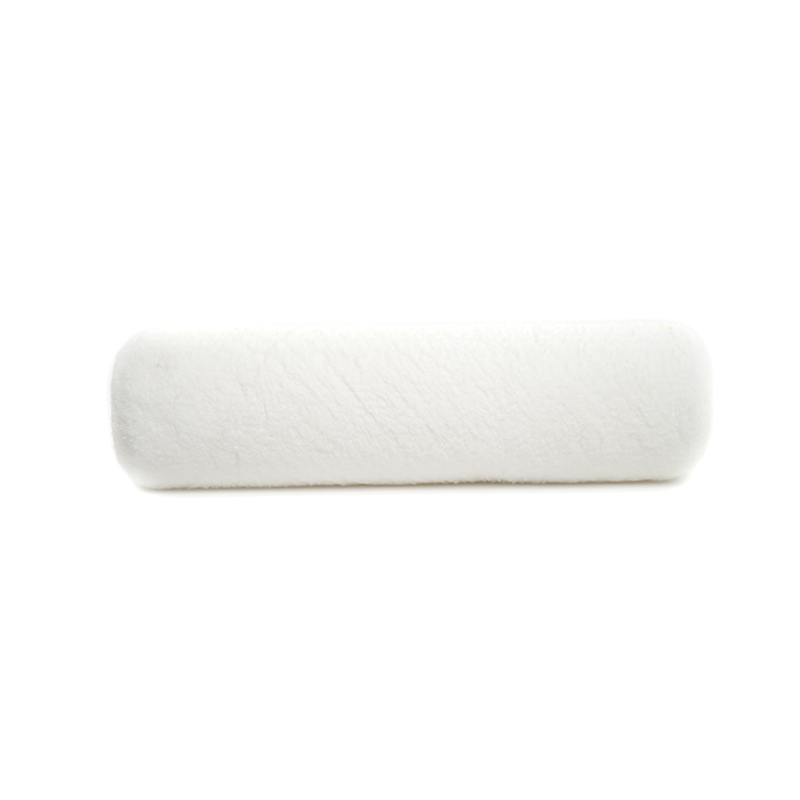
For water-based paint, use a synthetic roller cover made of nylon, polyester, or Dacron. These man-made fibers resist absorbing water, so they will not swell, mat, or lose their shape the way natural fibers do when loaded with latex paint. Sherwin-Williams confirms this directly, stating that synthetic covers made of nylon, dacron, or polyester are ideal for most latex paints, while natural covers such as mohair or sheepskin should be reserved for oil-based paints (Source: Sherwin-Williams, Choosing the Right Roller Cover). Pick a quality Paint Roller Cover in a synthetic fiber and you will get smoother coverage, fewer dropped fibers, and a longer-lasting cover overall.
Content
Why Fiber Material Matters With Water-Based Paint
Water-based latex paint is, by definition, mostly water. That single fact drives almost every recommendation roller manufacturers make about fiber choice. Natural fibers like wool, mohair, and sheepskin are absorbent by nature, which is exactly what makes them excellent with oil-based paint, but a liability with anything water-based.
The Professional Painting Contractors Forum explains the mechanism clearly: natural roller covers have a single weakness, which is water, since latex and other water-based finishes cause the fibers to swell and mat rather than roll smoothly (Source: Professional Painting Contractors Forum, Paint Roller Cover Material). Sherwin-Williams describes the same outcome from the manufacturer side, noting that if natural covers are used with latex paints, the water in the paint may swell the fibers, causing them to become matted (Source: Sherwin-Williams, How to Choose Paint Brushes and Rollers). Matted fibers cannot release paint evenly, which leads to streaking, uneven sheen, and a finish that looks worse the harder you try to fix it.
Synthetic fibers avoid this problem because they are non-absorbent. Diamond Vogel notes that synthetic fiber, almost always nylon, polyester, or a blend of the two, is the most common and most frequently used category of roller cover fabric on the market today (Source: Diamond Vogel, On a Roll). That popularity is not a coincidence. It reflects how well synthetic covers match the water-based paints that now dominate residential and commercial painting.
Comparing Roller Cover Materials
Roller covers are generally grouped into four categories: synthetic, natural, blended, and foam. Each behaves differently with water-based paint, and understanding the trade-offs helps you avoid a costly mismatch.
Synthetic Covers: The Standard Choice
Nylon, polyester, and Dacron covers are the default recommendation across nearly every major paint brand for latex and other water-based products. Bob Vila's product testing team confirms that synthetic roller covers are the right choice for water-based latex paint specifically because they resist matting, and that they can be used with any paint finish on most surfaces (Source: Bob Vila, The Best Paint Rollers and Covers, Tested and Reviewed). Paint Talk adds that synthetic covers are also the least expensive option, since they do not absorb large amounts of paint and will not mat during use (Source: Paint Talk, Exploring Roller Cover Options).
Natural Covers: Built For Oil, Not Water
Natural fiber covers made from lambswool, sheepskin, or mohair carry far more fiber density than synthetics. Diamond Vogel reports that wool covers typically carry 40,000 to 60,000 fibers per square inch, compared with just 3,000 to 6,000 fibers per square inch for synthetic covers (Source: Diamond Vogel, On a Roll). That density is why natural covers hold and release oil-based paint so well, but it becomes a drawback with water-based paint, since the same fibers swell when wet and cannot release paint cleanly.
Blended Covers: A Middle Ground
Blended covers combine polyester with wool to balance paint pickup with durability. Sherwin-Williams describes blended covers as combining the extra pickup of wool with the longevity of polyester, and notes they can technically be used with all paint types (Source: Sherwin-Williams, Choosing the Right Roller Cover). For a project that is exclusively water-based, though, a dedicated synthetic cover will still outperform a blend, since none of its fibers are prone to swelling.
Foam Covers: Smooth Surfaces Only
Foam roller covers work well with high-gloss latex paint on smooth surfaces such as bare wood, trim, or cabinetry, but Aboff's Paints notes they are not designed for heavily textured surfaces and tend to wear out faster than fabric covers (Source: Aboff's Paints, Choosing the Best Paint Roller). Foam is a reasonable choice for small, smooth, water-based touch-up jobs, but not a substitute for a synthetic fabric cover on full walls or ceilings.
Material Comparison Table
| Material | Best Paint Type | Water-Based Performance |
| Synthetic (nylon, polyester, Dacron) | Latex and water-based paint | Excellent, resists matting |
| Natural (wool, mohair, sheepskin) | Oil-based paint | Poor, fibers swell and mat |
| Blended (wool and polyester) | Both paint types | Good, but not optimal |
| Foam | High-gloss latex on smooth surfaces | Good on smooth areas only |
Matching Nap Length To Your Surface
Material choice solves the paint-type problem, but nap length, meaning the thickness of the fiber pile, solves the surface-texture problem. Sherwin-Williams recommends a thinner nap of 1/4 inch to 3/8 inch for smooth or slightly textured surfaces, and a longer nap for surfaces that are porous, textured, or full of nooks and crannies like brick and mortar (Source: Sherwin-Williams, How to Choose Paint Brushes and Rollers).
- 3/16 inch to 1/4 inch nap: smooth drywall, metal, cabinets, and trim
- 3/8 inch to 1/2 inch nap: lightly textured drywall, wood, or acoustic ceilings
- 3/4 inch nap and longer: stucco, masonry, brick, and heavily textured walls
A water-based synthetic cover is available across this entire nap range, so once the fiber material is settled, the only remaining decision is matching the nap length to how smooth or rough the wall actually is.
Knit, Woven, And Microfiber: Does Construction Matter Too
Beyond raw fiber material, the way the fabric is constructed changes how the cover performs with water-based paint. Diamond Vogel explains that knitted covers pick up and hold more paint, which speeds up coverage, but are more prone to shedding lint into the finish, while woven covers shed less and are generally preferred for semi-gloss and gloss finishes where lint would be more visible (Source: Diamond Vogel, On a Roll).
Microfiber covers are a newer synthetic option built specifically for smooth, lint-free results. Bob Vila's testing found that microfiber covers work with latex paints in matte, eggshell, or satin finishes and produce a finish so smooth it looks almost sprayed on, though they are only suitable for surfaces without much texture and can drip if overloaded (Source: Bob Vila, The Best Paint Rollers and Covers, Tested and Reviewed). For a flat or satin latex finish on smooth drywall, a microfiber synthetic cover is one of the most polished results available without switching to a sprayer.
Common Mistakes When Pairing Cover And Paint
Most disappointing roller results trace back to one of these avoidable mismatches.
- Using a natural fiber cover with latex paint, which causes the fibers to swell and mat almost immediately (Source: Sherwin-Williams, Choosing the Right Roller Cover)
- Choosing a foam cover for a textured water-based project, since foam covers are not built to reach into texture and wear out quickly (Source: Aboff's Paints, Choosing the Best Paint Roller)
- Using a knitted cover on a gloss latex finish, where shed lint becomes highly visible once the paint dries
- Overloading a microfiber cover, which can cause drips since these covers hold a large volume of paint (Source: Bob Vila, The Best Paint Rollers and Covers, Tested and Reviewed)
Checking the paint can label is also worth the extra thirty seconds. Most paint manufacturers print a recommended roller type directly on packaging, and following that guidance alongside the fiber-material rules above will keep results consistent project after project.
Practical Buying Checklist
Before buying a roller cover for a water-based paint project, run through these four checks:
- Confirm the cover is labeled synthetic, meaning nylon, polyester, or Dacron, rather than natural or wool
- Match the nap length to the surface, using a shorter nap for smooth walls and a longer nap for textured ones
- Choose woven construction for gloss or semi-gloss latex, and knitted or microfiber for flat or satin finishes where speed and smoothness matter more than lint resistance
- Buy a well-made Paint Roller Cover with a solid resin or plastic core, since a cheap cardboard core can come apart mid-project
Getting the fiber material right is the single most important decision for any water-based painting project. Once that is settled, refining nap length and fabric construction will fine-tune the finish to exactly the look the job calls for.