Español
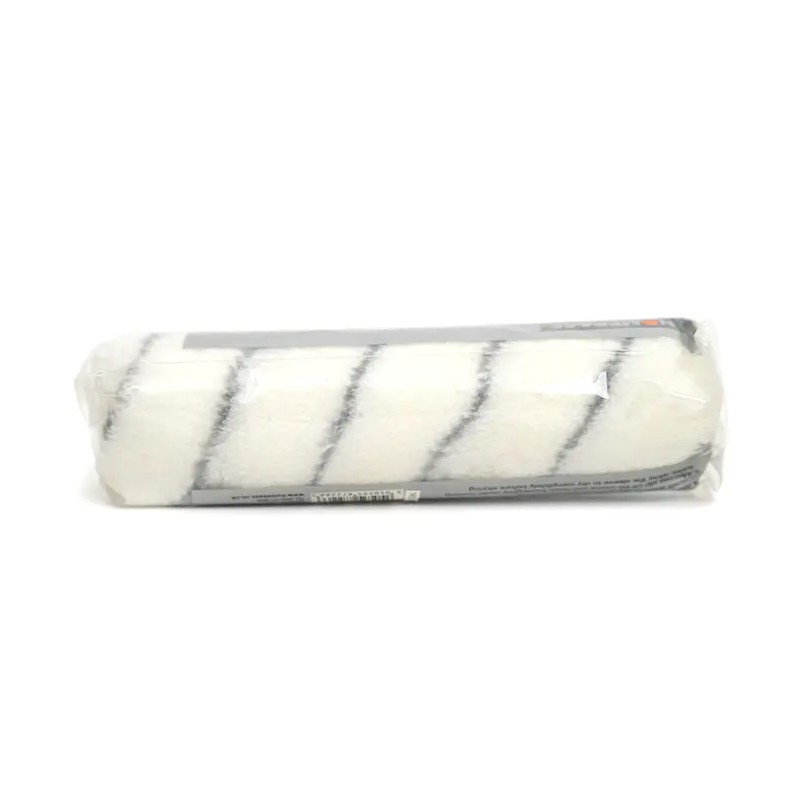
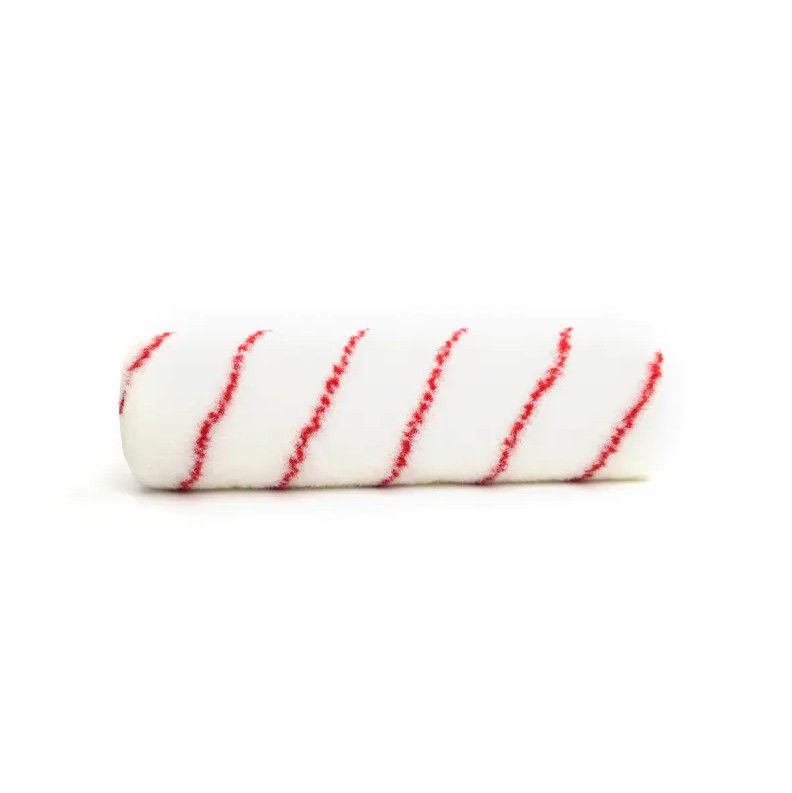
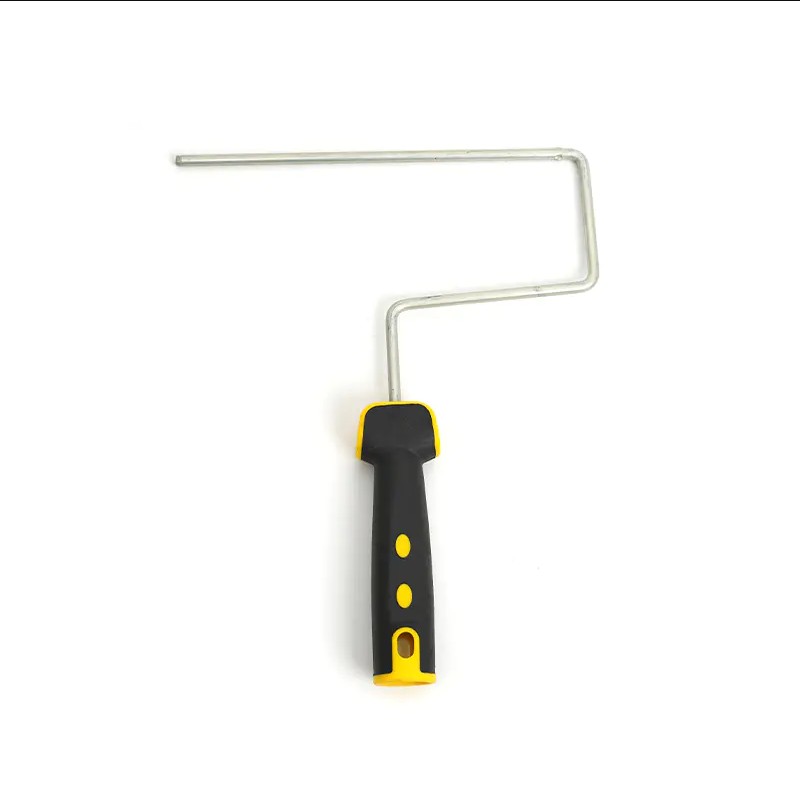
A paint roller frame is the structural backbone of any roller painting setup — it holds the roller cover in place and transfers force from your hand to the wall or surface. Its primary purpose is to enable fast, uniform coverage across large flat areas such as walls, ceilings, and floors, dramatically reducing the time and effort compared to using a brush alone. Without a quality frame, even the best roller cover will deliver uneven results.
Content
What a Paint Roller Frame Actually Does
At its core, a paint roller frame serves three mechanical functions that define its purpose:
- Support: The wire cage or rod structure holds the cylindrical roller cover securely so it does not slip or detach during use.
- Rotation: The frame allows the roller cover to spin freely on an axle, distributing paint evenly with each pass.
- Extension compatibility: Most frames feature a threaded handle end that accepts extension poles, enabling painters to reach ceilings or high walls without ladders.
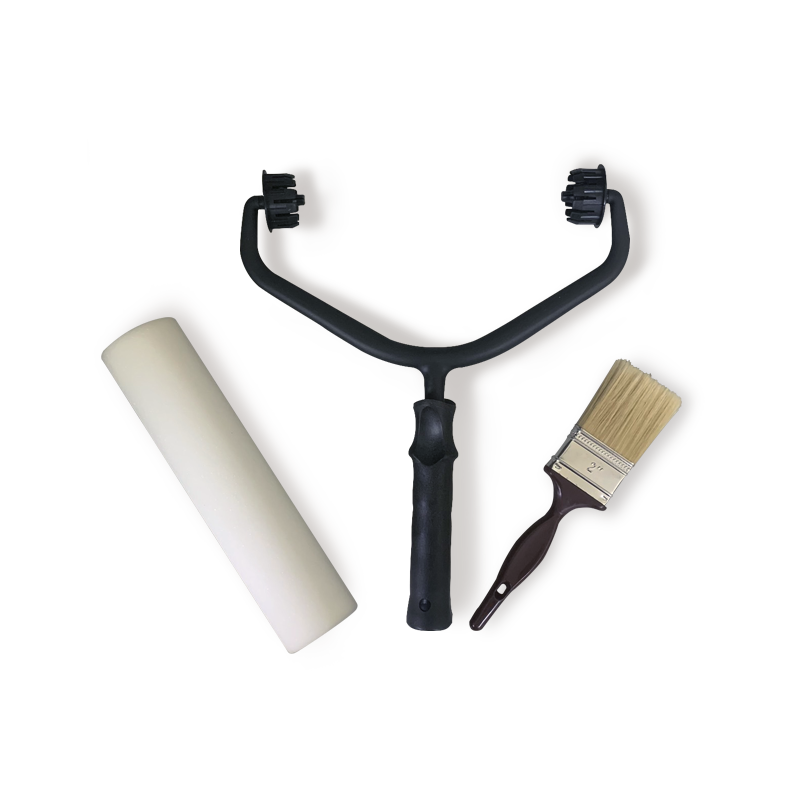
The handle itself is typically made from plastic, wood, or metal, and its ergonomic design reduces fatigue during long painting sessions. Professional painters often choose frames with a comfortable grip and a balanced weight distribution for this reason.
Frame Sizes and Their Practical Applications
Paint roller frames are manufactured in several standard widths to match different roller covers. Choosing the correct size directly affects efficiency and finish quality.
| Frame Width | Best Use Case | Typical User |
|---|---|---|
| 4 inch | Trim, cabinets, small surfaces | DIY homeowner |
| 9 inch | Standard interior walls | Most common for home use |
| 12 inch | Large walls, open spaces | Semi-professional painters |
| 18 inch | Floors, ceilings, commercial work | Professional contractors |
The 9-inch frame is the industry standard for most residential interior walls, as it balances speed with controllability. A wider 18-inch frame can cover roughly twice the area per pass, making it ideal for large commercial projects where time savings are significant.
How the Frame Improves Painting Efficiency
One of the most important purposes of a paint roller frame is speed. Studies and professional estimates consistently show that a roller frame allows a painter to cover up to 10 times more surface area per hour compared to a standard paintbrush. For a typical 12×12-foot room with 8-foot ceilings, using a roller frame can cut wall painting time from several hours to under one hour.
This efficiency comes from the frame's design:
- The wide coverage of the roller cover deposits paint over a broad path in each stroke.
- The rotating axle ensures consistent pressure and even paint distribution without manual brush strokes.
- The threaded handle end allows attachment of extension poles up to 8 feet long, eliminating ladder repositioning.
Frame Construction and Material Quality
Not all frames are built the same. The quality of the cage, axle, and handle directly affects how well the frame performs and how long it lasts.
Cage Design
Wire cage frames are the most common type. They typically use two to five wire ribs that cradle the roller cover. More ribs provide better support and reduce the chance of the cover sagging under the weight of heavy paints like masonry coatings.
Axle and Bearing System
A smooth-spinning axle is critical for consistent paint application. Professional-grade frames often feature a nylon or metal bearing system that reduces friction, making each rolling stroke smoother and less fatiguing. Budget frames with plastic axles may wobble, creating uneven paint lines.
Handle Materials
Handles are commonly made from:
- Plastic: Lightweight and affordable; suitable for occasional use.
- Aluminum: Durable and corrosion-resistant; a popular choice for professionals.
- Wood: Traditional option with a solid feel; heavier but comfortable for short sessions.
Compatibility with Roller Covers
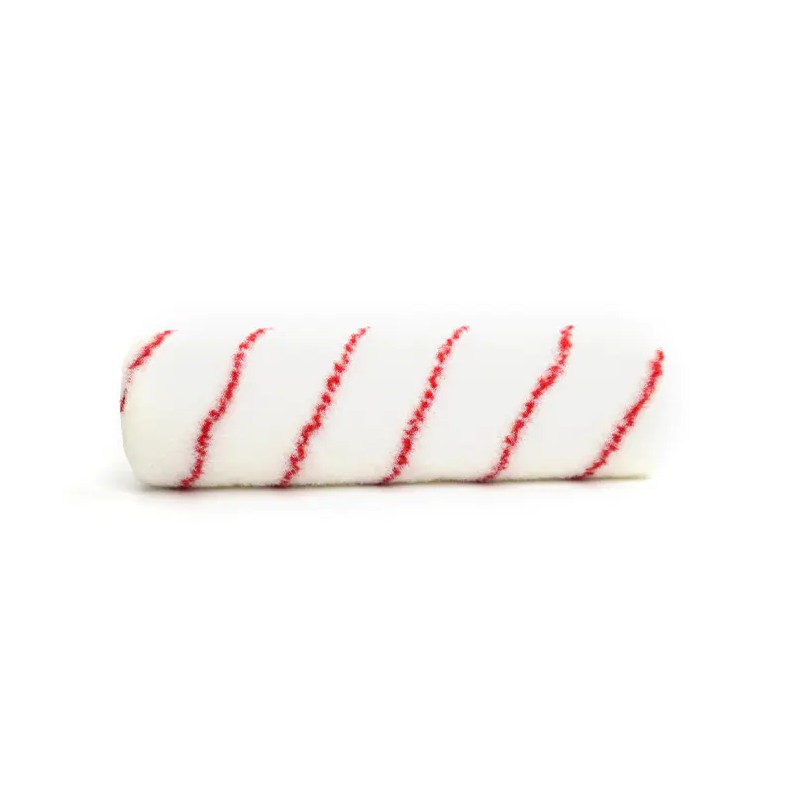
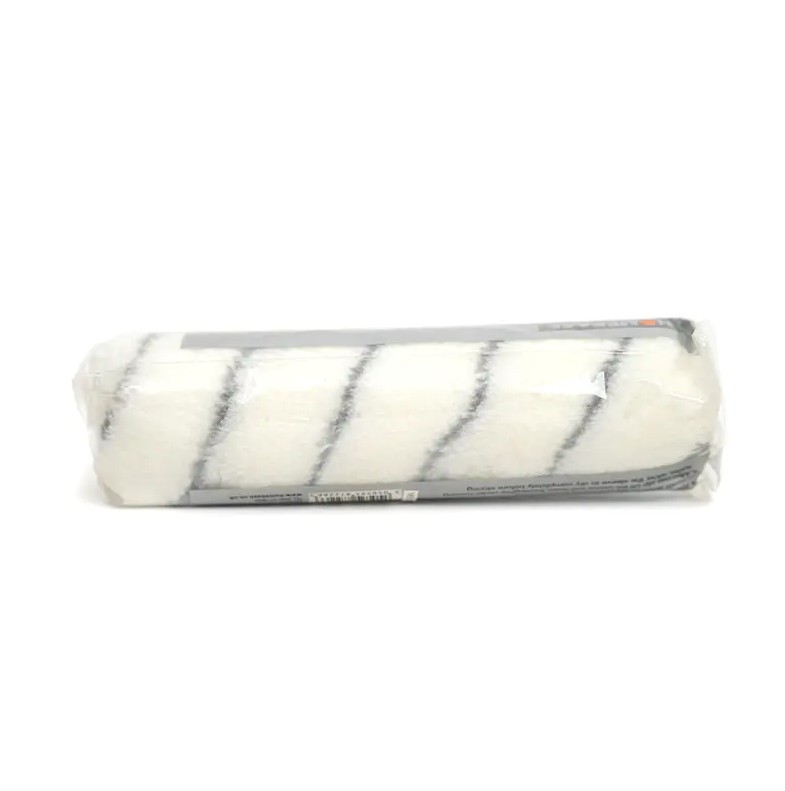
The frame's purpose is only fully realized when paired with the correct roller cover. Frames are designed to accept covers with a standard 1.5-inch inner diameter, and cover length must match the frame width. Using a mismatched cover causes the cover to slip, compress unevenly, or detach mid-stroke.
The nap (pile thickness) of the roller cover is selected based on the surface texture, while the frame determines the width and mechanical function. Together, they form a system where the frame provides structure and the cover handles paint transfer.
Specialty Frame Types for Specific Purposes
Beyond the standard frame, several specialized designs extend its purpose to niche painting scenarios:
- Cage-style frames: Offer more surface contact points, reducing cover slippage when using textured surfaces like stucco or brick.
- Adjustable frames: Can accommodate multiple cover widths on a single frame, reducing the number of tools needed on a job site.
- Solvent-resistant frames: Made from materials that withstand oil-based paints, varnishes, and chemical coatings without degrading.
- Mini roller frames (4 to 6 inch): Designed for tight spaces like between balusters, cabinet interiors, or window trim.
Maintenance and Reusability
A major advantage of the paint roller frame design is its reusability. Unlike disposable brushes or low-quality tools, a well-maintained frame can last for years or even decades. After each use, the frame should be:
- Separated from the roller cover.
- Rinsed thoroughly with water (latex paint) or mineral spirits (oil-based paint).
- Dried completely to prevent rust on wire components.
- Stored in a dry location, ideally hanging to avoid deforming the cage shape.
Roller covers, by contrast, may need replacement after several uses depending on cover quality and paint type. The frame's durability makes it the long-term investment component of the roller system.