Español
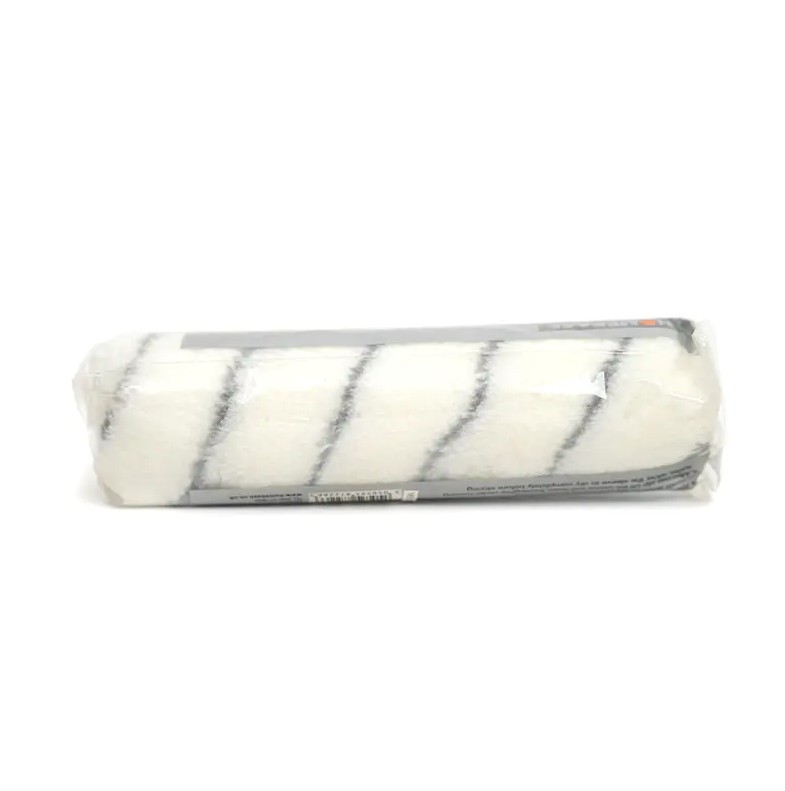
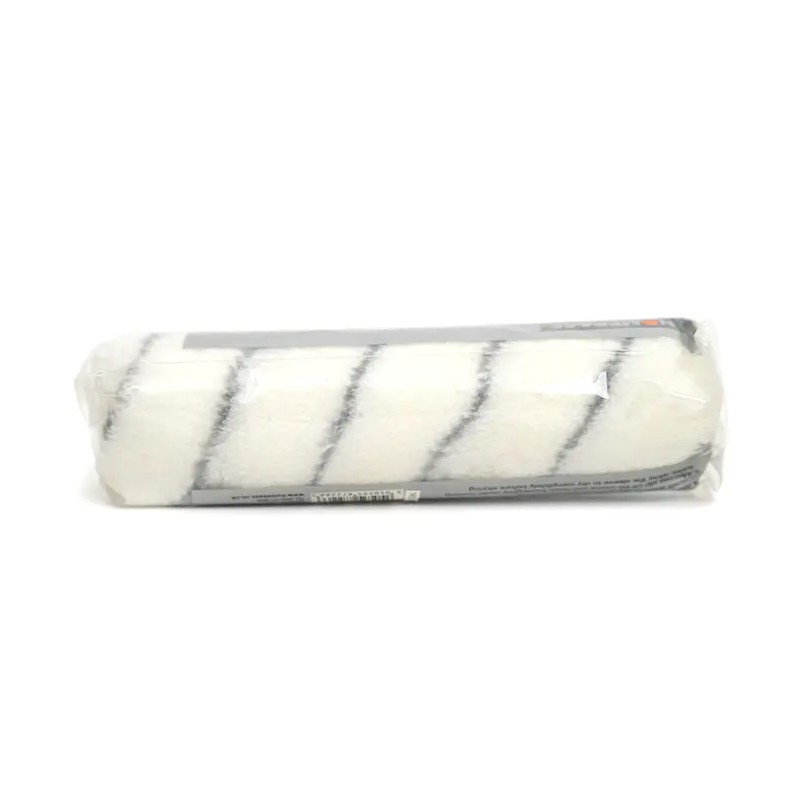
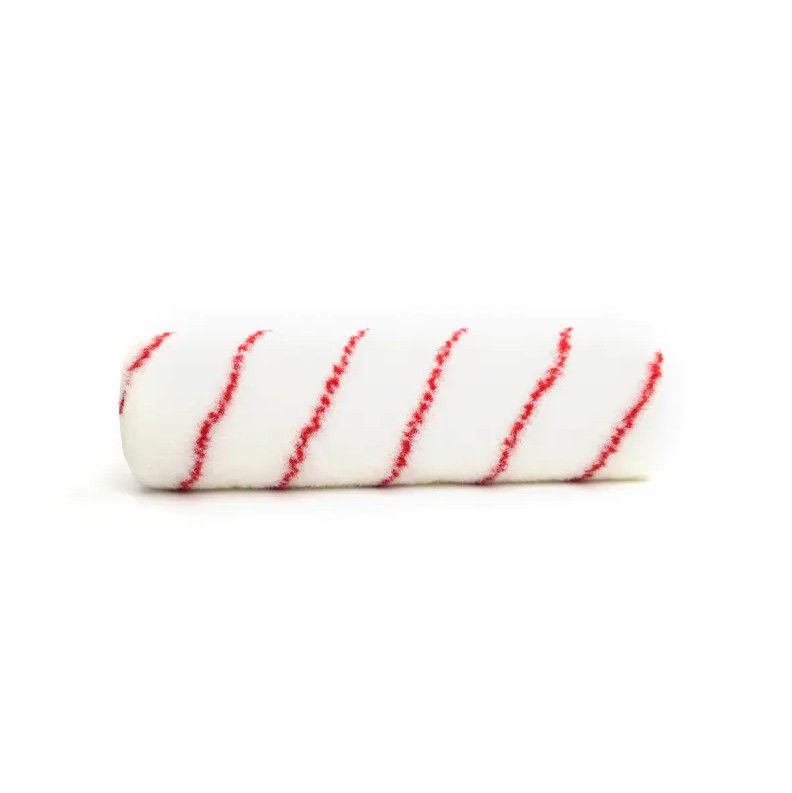
Yes, the paint roller frame is genuinely important—and its quality has a direct, measurable impact on painting results, working efficiency, and physical comfort. While it is tempting to treat the frame as a minor accessory compared to the paint itself or the roller cover, the frame is the mechanical foundation that determines how well the roller cover performs. A poor-quality frame causes uneven pressure, cover wobble, and premature fatigue; a well-engineered frame makes the same roller cover deliver a smoother finish with less effort and in less time.
The sections below examine why the frame matters, where its quality makes a visible difference, and what specific features separate a frame that merely holds a roller cover from one that actively improves your painting results.
Content
- 1 The Frame Controls Paint Pressure and Coverage Uniformity
- 2 Bearing Quality Determines Roller Spin—and Finish Smoothness
- 3 Frame Size Affects Coverage Speed and Workload
- 4 Frame Rigidity Directly Affects Painter Fatigue
- 5 The Frame Enables Extension Pole Use—a Major Practical Benefit
- 6 Frame Durability and Long-Term Value
- 7 Where Frame Quality Matters Most: A Practical Comparison
- 8 Signs That a Poor Frame Is Affecting Your Results
- 9 How to Choose a Frame That Performs Well
The Frame Controls Paint Pressure and Coverage Uniformity
Every stroke made with a paint roller transfers pressure from the painter's hand through the frame to the roller cover and onto the surface. If the frame flexes, wobbles, or transmits pressure unevenly, the roller cover cannot maintain consistent contact with the surface—and inconsistent contact produces visible results: thicker paint at the edges of a stroke, thin spots in the middle, or a stippled finish where a smooth one was intended.
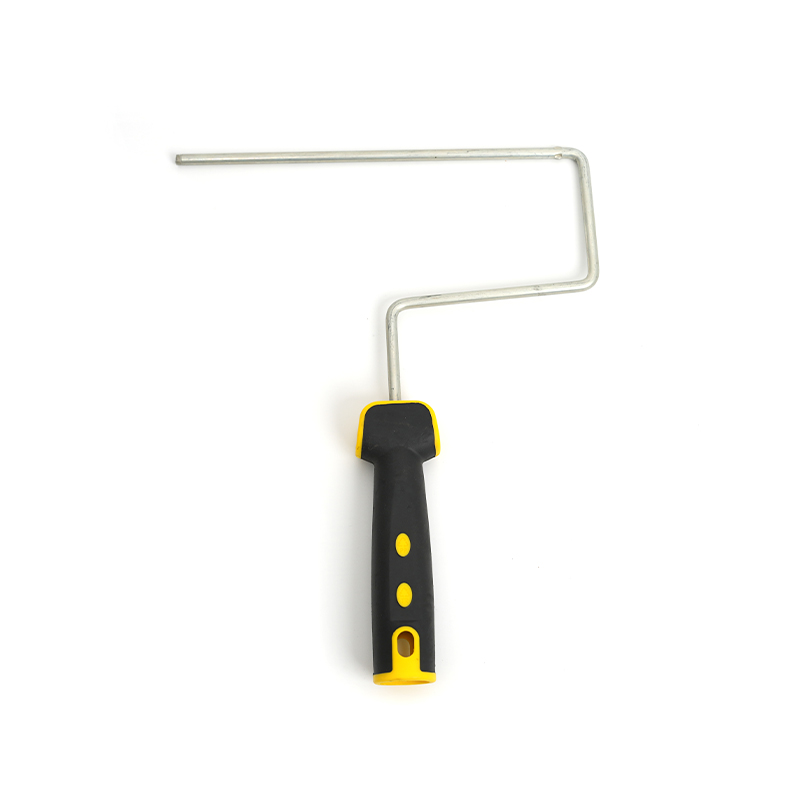
The shank stiffness and cage rigidity of the frame determine how faithfully the painter's applied force reaches the roller cover. Heavy-gauge steel or aluminium shanks resist flex even under the load of a fully loaded, wide roller cover, while thin-gauge budget frames bend noticeably when moderate pressure is applied—a problem that worsens as the painter gets tired and pushes harder to compensate for coverage gaps they can feel but not precisely control.
For DIY painters doing a single room, this difference may be acceptable. For anyone painting multiple rooms, an entire house, or working professionally across many projects, the compounding effect of pressure inconsistency leads to rework, additional coats, and significantly more time spent achieving an acceptable finish.
Bearing Quality Determines Roller Spin—and Finish Smoothness
The internal bearing or rotation mechanism is the single most important quality differentiator between roller frames. This is where paint roller frames earn or lose their value in real use.
How Bearings Affect Paint Application
When a roller cover spins freely on the frame, it rotates in response to light contact with the surface, transferring paint evenly with minimal applied pressure. When the rotation mechanism is stiff or rough, the cover does not spin smoothly—the painter must push harder to keep it moving, which:
- Increases the pressure on the surface, forcing paint into an uneven film
- Causes the cover to drag rather than roll, creating streaks and pick-up marks in the wet paint
- Accelerates hand and forearm fatigue, reducing the painter's ability to maintain consistent technique over time
- Results in a rougher surface texture, particularly visible in semi-gloss and gloss finishes under raking light
Types of Bearing Systems
Three levels of bearing quality exist across the market:
- No bearing (bare wire-on-wire) — The cage rotates directly on the metal shank with no bearing insert. Friction is high from the first use and increases as the metal surfaces wear. Common in the lowest-cost frames; acceptable only for very occasional use on small areas.
- Nylon bushings — A low-friction polymer insert reduces metal-on-metal contact. Significantly smoother than bare wire systems, resistant to corrosion, and suitable for most general residential painting. The majority of mid-range frames use this system.
- Ball bearings — Rolling steel or ceramic balls virtually eliminate rotational friction. The cage spins freely under the lightest contact with the surface. Found in professional-grade frames; the difference is immediately noticeable when switching from a bushing system, particularly during overhead ceiling work where maintaining roller contact requires sustained effort.
Frame Size Affects Coverage Speed and Workload
The width of the roller frame—and by extension the roller cover it accepts—directly determines how much surface area is covered with each stroke and how many strokes are required to complete a given surface. This is not a minor efficiency consideration: the right frame width can reduce the total number of roller passes on a standard room by 30% to 50% compared to using a frame that is too narrow for the surface.
| Frame Width | Coverage per Pass (approx.) | Estimated Passes for 10 m² | Relative Time |
|---|---|---|---|
| 4 in (100 mm) | 0.025 m² per pass | ~400 passes | Very slow |
| 7 in (178 mm) | 0.044 m² per pass | ~225 passes | Moderate |
| 9 in (230 mm) | 0.057 m² per pass | ~175 passes | Standard (fastest for most rooms) |
| 12 in (300 mm) | 0.075 m² per pass | ~135 passes | Fast (best for open walls) |
| 18 in (450 mm) | 0.113 m² per pass | ~90 passes | Fastest (commercial/floor use) |
Choosing the wrong frame size is a surprisingly common mistake. Using a 4-inch frame on a large wall because it was already available, or using an 18-inch frame on a standard room with multiple door and window interruptions, both result in either excessive painting time or excessive difficulty manoeuvring around edges—outcomes that a correctly sized frame avoids entirely.
Frame Rigidity Directly Affects Painter Fatigue
Physical fatigue is an underestimated variable in painting quality. A painter who is tired applies inconsistent pressure, loses track of wet edges, and rushes the final passes of a section—all of which produce visible defects in the dried paint film. The roller frame plays a significant role in how quickly fatigue accumulates.
Three frame characteristics contribute directly to fatigue:
- Weight — A heavy steel frame loaded with a fully saturated 9-inch roller cover can weigh over 500 g. An equivalent aluminium frame may weigh 30 to 40% less, a difference that becomes significant after an hour of overhead ceiling painting where every gram of tool weight is supported by the painter's arms.
- Handle ergonomics — Poorly shaped handles concentrate grip pressure on a narrow area of the palm, leading to discomfort within 20 to 30 minutes. Ergonomically designed handles with contoured grips or rubber overmoulding distribute pressure across a wider hand contact area, meaningfully reducing localised fatigue during extended use.
- Bearing resistance — As established above, stiff rotation forces the painter to push harder. On a small job this is a minor inconvenience; on a full day of painting, the cumulative extra effort required to keep a poorly-bearing frame rolling adds up to significant additional physical load on the wrist, forearm, and shoulder.
The Frame Enables Extension Pole Use—a Major Practical Benefit
One of the most practically important features of a roller frame is its threaded handle socket, which accepts an extension pole. This single feature transforms the roller from a tool that requires constant ladder repositioning into one that can paint ceilings and high walls from the floor. The importance of the frame here is structural: only a frame with a correctly threaded and mechanically sound handle connection can safely transmit the torque and leverage forces involved in pole-mounted painting.
Budget frames frequently have handles with poorly formed or quickly stripping threads that fail to hold an extension pole securely under load. This is not just an inconvenience—a roller that disconnects from its pole mid-stroke drops paint across the floor and ruins the finish on the surface being painted. Quality frames use metal-reinforced handle sockets with clean, full-depth threads that grip the pole securely throughout the painting session.
The practical impact of reliable pole attachment is substantial: painting a standard 2.4-metre ceiling in a 4 x 4 metre room without an extension pole typically requires 8 to 12 ladder repositions per coat, adding 20 to 40 minutes per coat. With a reliable frame and extension pole, the same ceiling can be completed from the floor in continuous strokes without any ladder movement.
Frame Durability and Long-Term Value
A quality roller frame is designed to be a long-term tool, not a disposable accessory. Understanding the durability implications of frame construction helps justify the investment in a better frame upfront.
Corrosion Resistance
The most common cause of premature roller frame failure is corrosion. Water-based paints and cleaning water introduce moisture that rusts unprotected steel cage wires within weeks of first use. Once rust develops on cage wires, it transfers to roller covers and introduces contamination into subsequent paint jobs—creating a visible reddish-brown staining problem that appears after the paint dries. Stainless steel, chrome-plated, or aluminium frames eliminate this failure mode entirely, allowing the frame to remain in service indefinitely with proper drying after cleaning.
Cost Per Use Over Time
A budget roller frame may cost significantly less than a professional-grade equivalent, but if it must be replaced after two to three projects due to rust or bearing failure, its actual cost per use is often higher. A quality frame used across 20 or more projects over 5 to 10 years represents a much lower per-project cost than repeatedly purchasing low-cost replacements. This is the same calculation that justifies quality in any reusable hand tool.
Cage Stability Over Time
Wire cage frames can develop loose or splayed wires after repeated use if the wire gauge and end-connection method are inadequate. A cage that has splayed wires no longer holds the roller cover centrally, causing the cover to wobble during rolling—exactly the same problem as a new low-quality frame, but developing progressively over time. Quality frames use heavier wire gauge and more secure end-crimping methods that maintain cage geometry through years of use.
Where Frame Quality Matters Most: A Practical Comparison
The importance of frame quality is not uniform across all painting scenarios. Understanding where it matters most helps prioritise investment appropriately.
| Painting Scenario | Finish Sensitivity | Duration / Frequency | Frame Quality Importance | Recommendation |
|---|---|---|---|---|
| Painting one room, flat finish | Low | One-off | Moderate | Mid-range frame acceptable |
| Painting ceilings with extension pole | Moderate | Single project | High | Quality frame with secure thread essential |
| Semi-gloss or gloss finish on walls | High | Any | High | Ball-bearing frame strongly recommended |
| Whole house repaint (DIY) | Moderate–High | Multi-day project | High | Invest in quality; fatigue reduction critical |
| Professional painting (daily use) | High | Continuous | Critical | Professional-grade only; corrosion resistance essential |
| Painting rough masonry or exterior | Low–Moderate | Occasional | Moderate | Rigid heavy-duty frame; size match critical |
Signs That a Poor Frame Is Affecting Your Results
Many painters attribute finish problems to the paint or roller cover when the actual cause is the frame. Recognising the symptoms helps identify when upgrading the frame will solve a persistent problem:
- Visible roller marks or uneven texture — Particularly prominent in gloss or semi-gloss finishes when viewed under raking light; often caused by inconsistent pressure from a flexing shank or stiff bearings that cause the cover to drag rather than roll
- Paint thicker at the edges of each roller stroke — A sign that the cage is not holding the roller cover centrally, concentrating pressure at the ends; common in frames with worn or splayed wire cages
- Extension pole disconnecting during use — Indicates worn or poorly formed handle threads; a safety and quality issue that a replacement frame resolves immediately
- Reddish or brownish contamination on roller covers — Rust transfer from corroded cage wires; once this starts, the frame is no longer safe for use on interior painted surfaces and should be replaced
- Unusual hand or forearm fatigue even on small jobs — Often a bearing problem; switching to a frame with quality bearings produces an immediately noticeable difference in the effort required to maintain rolling motion
How to Choose a Frame That Performs Well
Knowing what makes a frame important translates directly into practical buying guidance. Before purchasing, evaluate the following:
- Spin the cage in the store — It should rotate freely and smoothly with a light flick of the finger. Any grinding, hesitation, or stiffness indicates inadequate bearings that will worsen under the load of a paint-saturated cover.
- Check the shank for flex — Hold the handle firmly and apply light lateral pressure to the cage. A quality frame shows minimal deflection; a poor frame bends noticeably, which will translate directly to uneven rolling pressure during use.
- Inspect the cage wires — Wires should be uniform in gauge, straight, and secured firmly at both end caps without visible looseness or splaying. Any play in the wires at the end-connection points will worsen with use.
- Test the handle thread — Thread an extension pole (or test pole in-store) into the handle socket. It should engage smoothly and hold firmly without play. Loose or stiff threading indicates a poorly formed socket.
- Check the cage surface material — Stainless steel, chrome-plated, or aluminium cages are preferable to bare mild steel. If you cannot determine the material from the product label, apply a magnet: stainless steel and aluminium are non-magnetic, while mild steel (rust-prone) is strongly magnetic.
- Match width to the primary task — Resist the temptation to use a frame already on hand if it is the wrong size for the job. A correctly sized frame for the task reduces total painting time and physical effort more than any other single choice.