Español
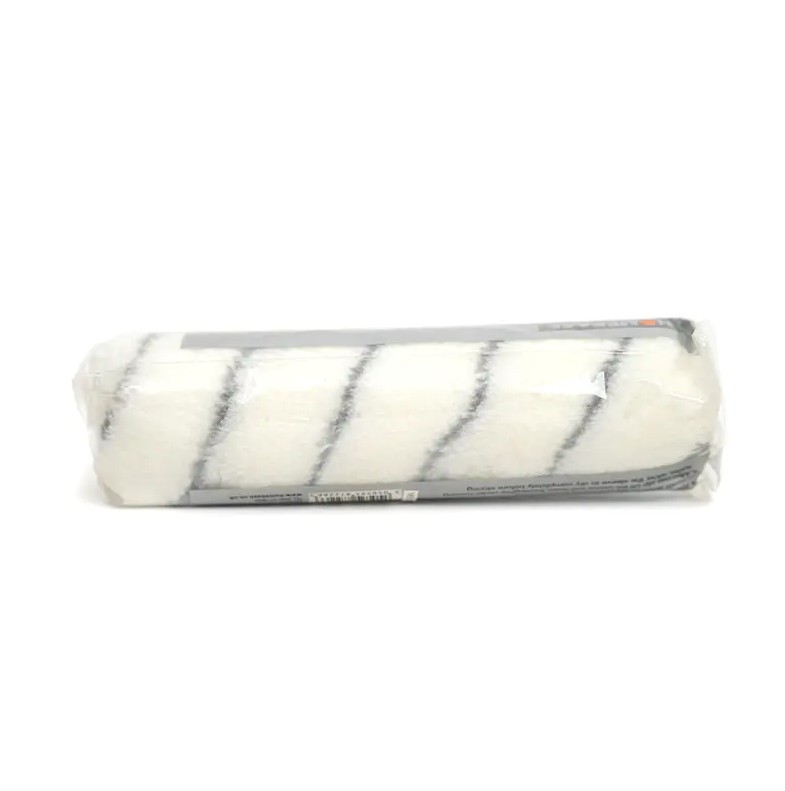
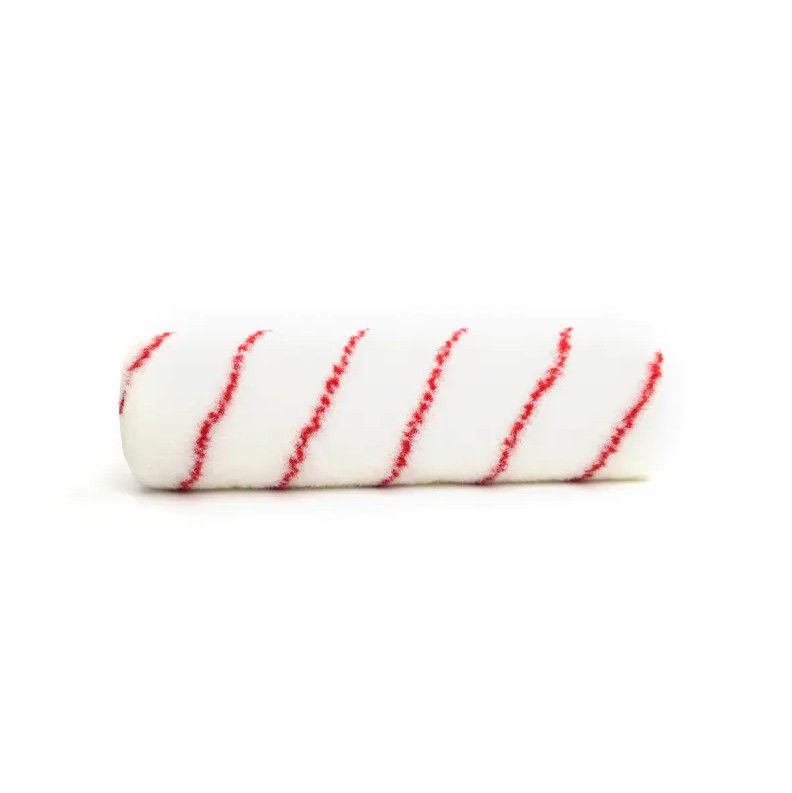
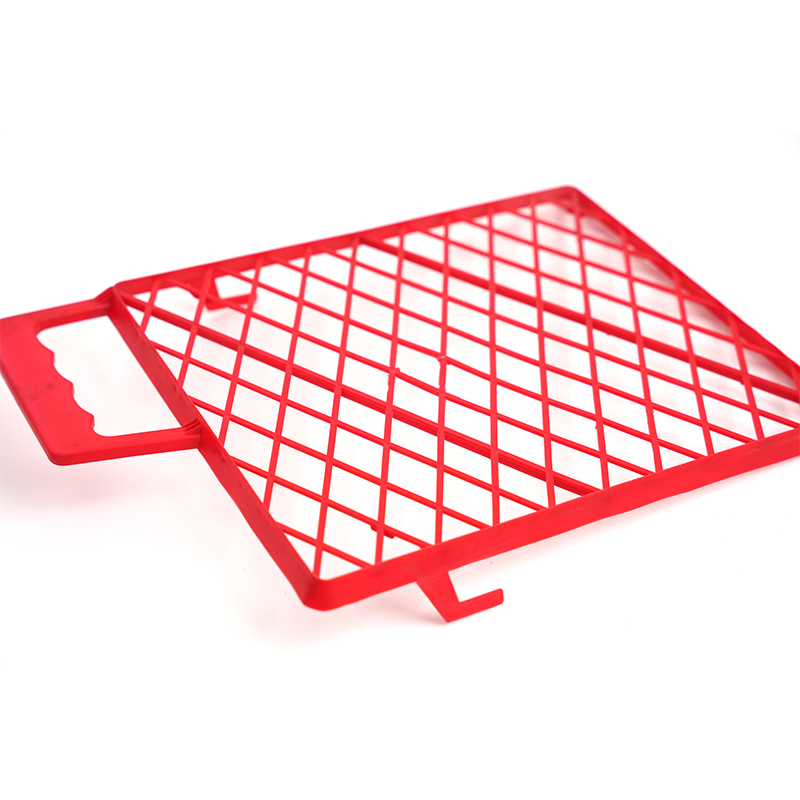
A plastic paint grid is a tool commonly used in painting to make the process more efficient and precise. It is designed to be placed inside a paint tray and allows painters to remove excess paint from their rollers. By doing so, it helps achieve a smooth and even application, preventing paint drips and uneven coverage. Whether you're painting walls, trim, or furniture, a plastic paint grid helps ensure a high-quality finish with less mess.
Content
How Does a Plastic Paint Grid Work?
The plastic paint grid works through its grid-like surface, which allows excess paint to be evenly distributed back into the tray. When you dip a roller into the paint tray, it absorbs more paint than necessary. By rolling the roller on the grid, the paint is pushed through the grid's openings and drips back into the tray. This ensures that the roller is coated with the perfect amount of paint, reducing the chance of overloading the roller and causing paint drips or streaks on your surface.
Materials and Customization Options
Plastic paint grids are made from lightweight, durable materials like high-density polyethylene (HDPE) or polypropylene. These materials are chosen for their resistance to chemicals, ease of cleaning, and ability to endure frequent use. The grids are available in various sizes, depending on the size of the paint tray, and can be customized in different colors to suit the user’s preferences or to match other painting tools. Custom colors also help ensure that the grid stands out, making it easy to find in a busy workshop or on a cluttered paint project site.
Benefits of Using a Plastic Paint Grid
A plastic paint grid offers numerous benefits for both amateur and professional painters. Here are the key advantages:
- Ensures that rollers are evenly coated with paint, leading to smooth, consistent coverage without streaks or blotches.
- Reduces paint waste by allowing excess paint to drip back into the tray instead of being wasted.
- Prevents paint from accumulating on the roller in a way that could result in dripping or uneven application.
- Easy to clean and store, making it a reusable and eco-friendly solution for multiple painting projects.
- Improves the overall efficiency of the painting process, allowing the painter to focus on coverage rather than managing excess paint.
Applications of a Plastic Paint Grid
Plastic paint grids are suitable for a wide range of painting applications. They can be used for:
- Painting walls and ceilings for both residential and commercial properties.
- Applying coatings to trim, doors, windows, and other detailed surfaces.
- Furniture restoration projects, particularly for painting wooden or metal surfaces.
- Industrial and automotive painting where a clean, smooth finish is critical.
Plastic Paint Grids for Professional and DIY Use
Both professional painters and DIY enthusiasts can benefit from using a plastic paint grid. For professionals, the grid helps speed up the painting process while maintaining a high level of precision and finish quality. For DIYers, it reduces the learning curve by helping to control the amount of paint applied, ensuring a more even and professional-looking result. Whether you're tackling a large home renovation or simply touching up a few spots, a plastic paint grid provides the consistency needed for a successful project.
Maintenance and Care of a Plastic Paint Grid
Plastic paint grids are designed for easy maintenance and long-lasting use. After each painting session, it’s essential to clean the grid thoroughly. To do so, rinse off excess paint and allow the grid to dry completely before storing it. Most plastic grids are resistant to rust and corrosion, making them durable enough for frequent use. Some grids also feature smooth surfaces that prevent paint from sticking too strongly, making them easier to clean than other materials.
Plastic Paint Grids vs. Metal Grids
While both plastic and metal paint grids serve the same function, there are distinct differences between the two. Plastic paint grids are generally lighter, more resistant to corrosion, and easier to clean. They also tend to be more affordable and can be customized in a variety of colors. On the other hand, metal grids may offer better durability over time but are heavier and can corrode if not cleaned properly. Overall, the choice between plastic and metal depends on your specific needs and the type of painting you’re doing.
Conclusion
In conclusion, a plastic paint grid is an indispensable tool for anyone looking to improve their painting efficiency and results. It provides a simple yet effective way to filter excess paint, ensuring even and smooth application on surfaces. Its lightweight and durable nature make it a popular choice for both professionals and DIY enthusiasts. By using a paint grid, you can achieve a clean, professional finish while minimizing waste and mess, ultimately making your painting projects faster and more successful.