Español
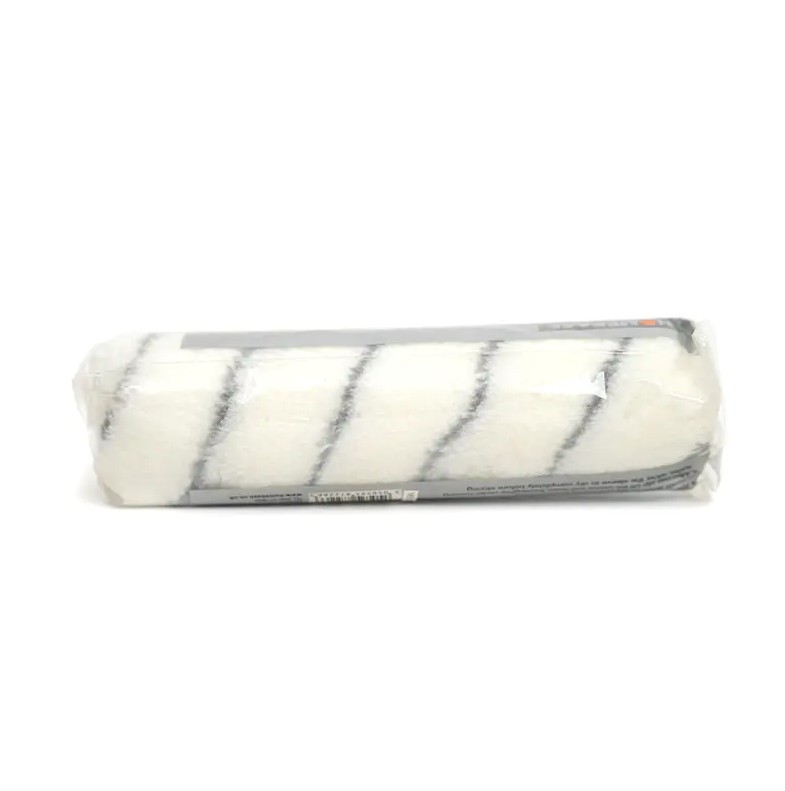
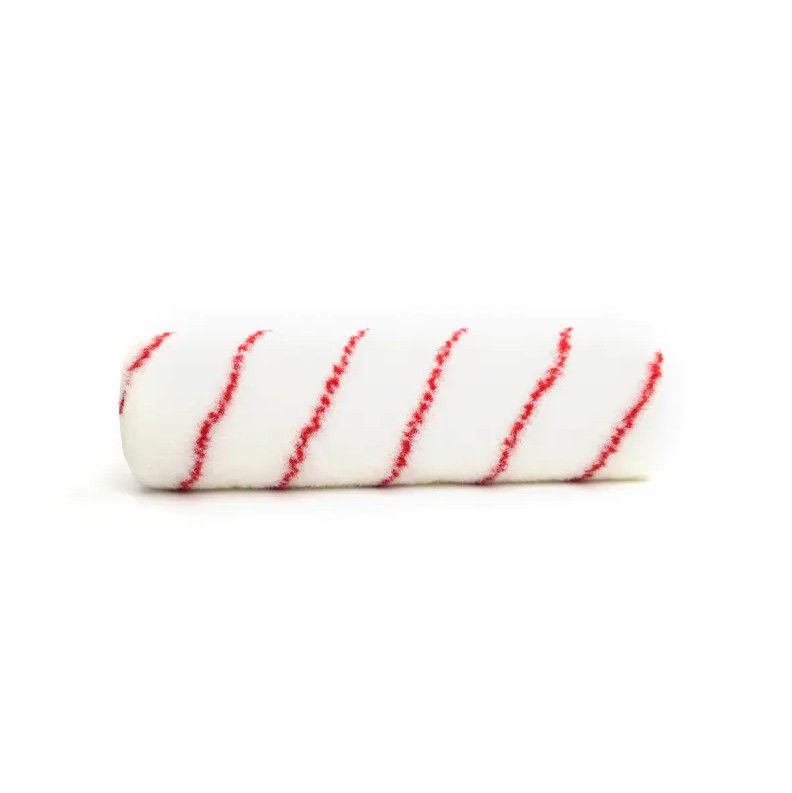
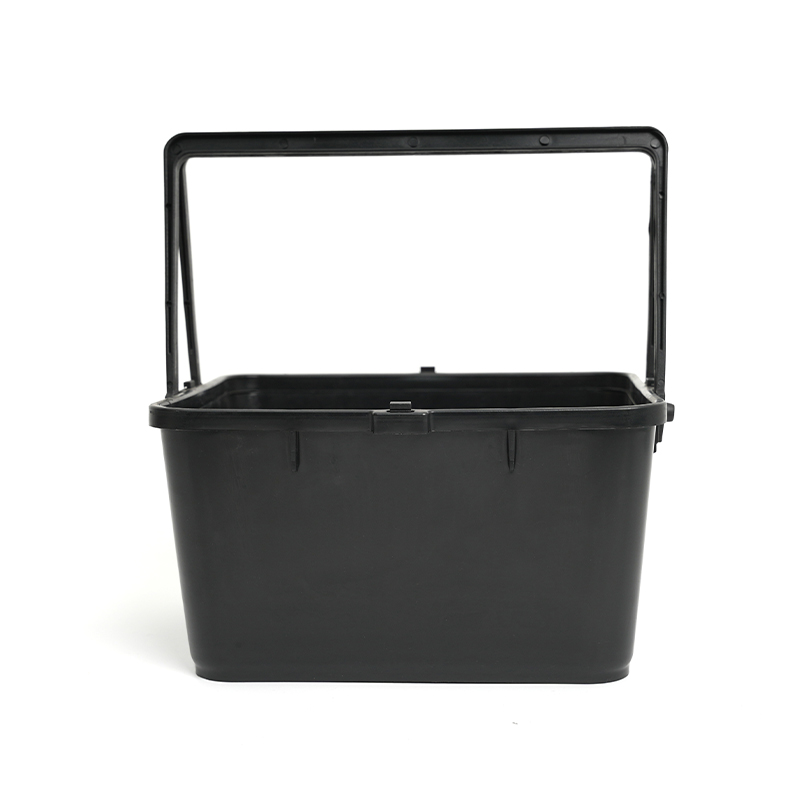
The plastic square paint bucket offers a superior combination of stability, storage efficiency, chemical resistance, and practical usability compared to traditional round metal or plastic paint containers. Available in capacities from 7 to 12 liters and typically supplied in black with one or two handle options, the square format addresses real workflow problems on job sites — from eliminating tipping accidents to maximizing shelf space in storage rooms. For professional painters, contractors, and DIY users alike, switching to a square plastic paint bucket delivers measurable improvements in efficiency and safety.
Content
- 1 Superior Stability Reduces Spills and Accidents
- 2 Space-Efficient Storage and Transport
- 3 Chemical Resistance of Plastic Construction
- 4 Versatile Handle Options for Different Working Conditions
- 5 Capacity Range Matched to Professional and DIY Needs
- 6 Ease of Use During Active Painting
- 7 Durability and Long Service Life
- 8 Plastic Square vs. Round Metal Paint Bucket: A Direct Comparison
- 9 Environmental and Cost Benefits Over Time
- 10 Best Practices for Using a Plastic Square Paint Bucket
Superior Stability Reduces Spills and Accidents
One of the most immediate advantages of the square format is its inherent stability on flat surfaces. Round buckets have a single circular contact point with the floor and tip over easily when nudged by a foot, a ladder leg, or an uneven surface. A square plastic paint bucket makes full flat contact with the ground along its entire base, dramatically reducing the risk of accidental tipping.
On scaffolding platforms, staircases, or uneven job site floors where a knocked-over paint bucket can cause injury, damage finishes, or waste expensive materials, this stability advantage is significant. A 10-liter square bucket filled with paint weighs approximately 14–16 kg — a tipped load that would be costly and time-consuming to clean up. The low, flat-sided geometry keeps that weight planted and predictable.
Space-Efficient Storage and Transport
Square geometry eliminates the wasted space that occurs when round containers are packed side by side. When multiple buckets are stored or transported together, square buckets stack flush against each other with zero gap between units, meaning the same floor area can hold significantly more product.
In practical terms, a shelf or van storage area that holds 8 round paint buckets in a given footprint can hold 10–12 square buckets of equivalent capacity — a storage density improvement of 25–50%. For paint retailers, decorating contractors running multiple simultaneous jobs, and warehouse operations, this translates directly into reduced storage costs and more efficient vehicle loading.
Square buckets also stack vertically more securely than round buckets. The flat tops and bases interlock naturally, preventing loaded stacks from shifting during transit.
Chemical Resistance of Plastic Construction
Plastic square paint buckets are manufactured from high-density polyethylene (HDPE) or polypropylene (PP), both of which offer excellent resistance to the chemicals found in water-based emulsions, solvent-based paints, primers, varnishes, and cleaning agents. Unlike metal paint cans, plastic buckets do not rust, corrode, or react chemically with their contents — even when storing aggressive coatings over extended periods.
- No rust contamination — metal flakes from corroded tin cans can ruin a painted finish; plastic eliminates this entirely.
- Resistant to most organic solvents, alkalis, and dilute acids found in decorating products.
- Will not degrade or leach contaminants into water-based paints during storage.
- Smooth interior walls prevent paint from adhering permanently, making cleaning and reuse straightforward.
The black color commonly specified for square paint buckets also serves a practical purpose: it masks paint residue and staining that would be visually apparent on lighter-colored containers, maintaining a professional appearance across multiple reuse cycles.
Versatile Handle Options for Different Working Conditions
Plastic square paint buckets are available with multiple handle configurations, each suited to different carrying and working scenarios:
Single Plastic Handle
A single molded or attached plastic handle provides a lightweight, corrosion-free carrying grip. Plastic handles are ideal for water-based paint applications where there is no risk of rust transfer to the handle surface, and for users who prefer a lighter bucket configuration. They fold flat when not in use and do not add significant weight to an empty bucket.
Single or Dual Steel Handle
A galvanized or coated steel handle provides superior load-bearing strength for heavier paint loads. A 12-liter bucket filled with heavy masonry paint or exterior coating can weigh 17–20 kg, and a robust steel handle ensures reliable carrying without flexing or snapping under load. Dual steel handles distribute the weight more evenly between both hands when carrying full buckets over longer distances, reducing strain on the user's wrist and forearm.
No Handle (Stackable Tote Configuration)
Some square paint buckets are supplied without handles for use as stackable storage containers or for applications where the bucket is moved by forklift or pallet truck in a commercial setting. The handleless format maximizes vertical stacking density.
Capacity Range Matched to Professional and DIY Needs
The 7 to 12 liter capacity range of plastic square paint buckets covers the most common working volumes used in professional decorating:
| Capacity | Typical Use Case | Approx. Full Weight (paint) | Recommended Handle |
|---|---|---|---|
| 7 liters | Small rooms, touch-up work, detail painting | 9–11 kg | Single plastic or steel |
| 10 liters | Standard room painting, mixing and decanting | 13–15 kg | Single or dual steel |
| 12 liters | Large surface areas, exterior walls, commercial projects | 17–20 kg | Dual steel handle recommended |
The 10-liter size is the most widely used on professional job sites, offering enough volume to keep a roller tray or brush working for extended periods without constant refilling, while remaining manageable in weight for a single operator to carry.
Ease of Use During Active Painting
The square format provides practical workflow advantages when the bucket is in active use, not just during storage and transport:
- Flat sides provide a natural brush-wiping surface. Painters can wipe excess paint from a brush against the straight interior wall far more efficiently than against the curved interior of a round bucket.
- Roller frames rest securely. The straight corners of a square bucket allow a roller frame or extension pole to rest stably across the rim without rolling off — a common frustration with round buckets.
- Paint level is easier to judge. The flat sides of a square bucket allow a more accurate visual estimate of remaining paint volume compared to a curved surface that distorts the apparent level.
- Pouring is more controlled. The straight corners create a natural pouring edge that directs paint into roller trays or other containers with less splashing than a round container.
- Paint mixing is more effective. The corners of a square bucket eliminate the dead zones that occur in round containers when using a mixing paddle — all paint is reached and mixed evenly.
Durability and Long Service Life
High-quality plastic square paint buckets manufactured from food-grade HDPE or PP can withstand years of repeated use under demanding job site conditions. Key durability features include:
- Impact resistance: HDPE remains flexible and impact-resistant even at low temperatures, resisting cracking when dropped on hard surfaces — a common occurrence on building sites.
- UV stabilization: Quality buckets incorporate UV stabilizers in the plastic compound, preventing embrittlement and color degradation when stored or used outdoors.
- Reinforced rim and base: Thicker plastic at the rim and base corners — the areas most subject to stress — extends service life significantly compared to thin-walled economy alternatives.
- Reusability: Unlike single-use paint cans, a quality plastic square bucket can be cleaned, reused, and repurposed hundreds of times, offering a significantly lower cost per use over its service life.
Plastic Square vs. Round Metal Paint Bucket: A Direct Comparison
| Feature | Plastic Square Bucket | Round Metal Can |
|---|---|---|
| Stability on flat surfaces | Excellent — full base contact | Moderate — rolls or tips easily |
| Corrosion resistance | Full — no rust possible | Poor — rusts with moisture exposure |
| Storage density | High — no wasted space between units | Low — gaps between round containers |
| Weight (empty bucket) | Light — typically 0.4–0.8 kg | Heavier — typically 0.8–1.5 kg |
| Reusability | High — hundreds of cycles | Limited — degrades with rust and dents |
| Paint mixing effectiveness | Better — no corner dead zones for paddle | Good in center; curved walls help |
| Brush wiping surface | Flat straight walls — excellent | Curved wall — less effective |
| Cleaning ease | Smooth plastic — easy to rinse | Rust and seams trap dried paint |
Environmental and Cost Benefits Over Time
From both a cost and environmental perspective, reusable plastic square paint buckets offer a clear advantage over single-use metal cans or disposable alternatives:
- Extended reuse lifecycle: A quality plastic square paint bucket can be cleaned and reused across hundreds of painting jobs, reducing the need for repeated purchases and minimizing packaging waste.
- Recyclability: HDPE and PP are widely accepted in plastic recycling streams. At end of service life, the bucket can be recycled rather than sent to landfill.
- Lower total cost of ownership: Despite a higher initial unit cost than a disposable tin, the per-use cost of a reusable plastic square bucket over its service life is a fraction of buying equivalent single-use containers.
- Reduced paint waste: The smooth, non-porous interior surface releases virtually all paint during cleaning, reducing the volume of material wasted compared to metal containers where dried paint adheres in rough seams and corroded areas.
Best Practices for Using a Plastic Square Paint Bucket
To maximize the performance and service life of a plastic square paint bucket, follow these practical guidelines:
- Fill to no more than 75% capacity when carrying to prevent sloshing and spillage — for a 10-liter bucket, this means a maximum working volume of approximately 7.5 liters.
- Use the appropriate handle type for the load: Single handles are sufficient for 7-liter buckets; dual steel handles are strongly recommended for 12-liter buckets at full capacity.
- Clean immediately after use with warm water for water-based paints or the appropriate solvent for oil-based products, before paint skins over and hardens against the bucket walls.
- Inspect handles and lugs regularly — particularly steel handles — for signs of bending, cracking, or corrosion that could cause failure under load.
- Store lids tightly sealed when containing paint between sessions to prevent skinning and evaporation; the flat lid surface of square buckets also supports stacking.
- Avoid prolonged UV exposure for buckets without UV stabilization additives — store empty buckets in a shaded location when not in use to prevent embrittlement over time.