Español
The core difference between a dust sheet and ordinary cloth is that a dust sheet is an engineered protective covering specifically designed to resist paint penetration, withstand heavy-duty use, and protect surfaces from dust, debris, and drips during decorating and construction work — while ordinary cloth is a general-purpose fabric with none of these protective properties built in. Dust sheets are made from purpose-selected materials such as woven canvas, polythene film, or non-woven fabric that are tested for specific performance characteristics. Ordinary cloth — including bed sheets, curtain fabric, or general cotton — is designed for comfort or aesthetics, not protection, and will typically allow wet paint to soak through to the surface below within minutes.
Content
- 1 Material Composition: Engineered vs General-Purpose Fabric
- 2 Comprehensive Comparison: Dust Sheet vs Ordinary Cloth
- 3 Paint Penetration: Why Ordinary Cloth Fails Where Dust Sheets Succeed
- 4 Slip Resistance: A Safety Difference That Matters on Site
- 5 Types of Dust Sheet and When to Use Each
- 6 Size and Coverage: Why Ordinary Cloth Falls Short
- 7 Durability and Cost Over Time: Canvas Dust Sheets Are Better Value
Material Composition: Engineered vs General-Purpose Fabric
The most fundamental difference between dust sheets and ordinary cloth lies in their base materials and how those materials are selected and processed.
Dust Sheet Materials
Professional dust sheets are manufactured from materials chosen specifically for their protective properties in decorating environments:
- Canvas (woven cotton duck): The traditional and most widely used professional dust sheet material. Canvas is tightly woven from heavy cotton yarns — typically 200–400 grams per square meter (gsm) — creating a dense fabric that absorbs paint drips into its fiber structure rather than allowing them to pass through to the surface below. Canvas is also naturally non-slip on hard floors, highly durable across hundreds of uses, and comfortable to walk on without risk of slipping
- Polythene / polyethylene film: A plastic sheet material that is completely impermeable to paint, water, and solvents. Polythene dust sheets provide absolute liquid barrier protection and are ideal for covering furniture, electronics, and delicate surfaces where even a small amount of paint penetration would cause damage. Available in thicknesses from 50 to 500 microns
- Non-woven fabric: A bonded synthetic fiber material that combines some of the breathability of canvas with improved resistance to liquid penetration. Lighter weight than canvas, often used as a disposable or semi-disposable dust sheet for lighter-duty applications
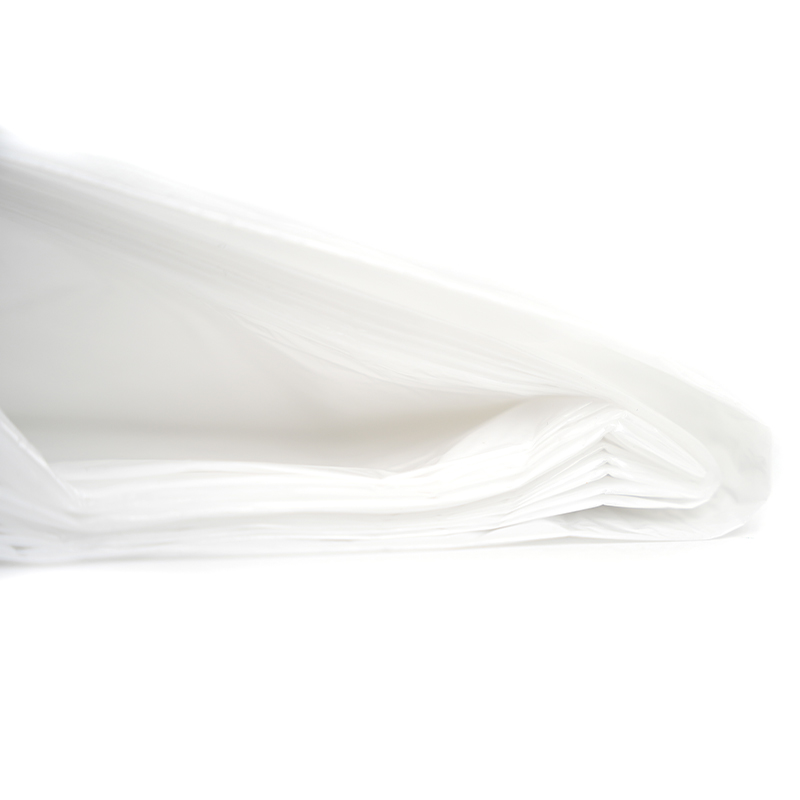
- Laminated fabric (canvas-poly composite): A canvas face bonded to a polythene backing — combining the non-slip, absorbent properties of canvas with the waterproof barrier of plastic. The most effective all-round material for professional floor protection during intensive painting work
Ordinary Cloth Materials
Ordinary cloth used as an improvised dust cover is typically woven from cotton, polyester, or cotton-polyester blends at weights of 100–180 gsm — substantially lower density than canvas dust sheets. These fabrics are designed for softness, drape, color fastness, and wash performance — none of which are relevant to protective covering during painting. Their open weave structure and moderate absorbency mean that liquid paint penetrates through the fabric to the floor or furniture surface within 5 to 15 minutes of contact, providing no meaningful protection against spills or drips.
Comprehensive Comparison: Dust Sheet vs Ordinary Cloth
| Feature | Dust Sheet | Ordinary Cloth |
|---|---|---|
| Primary purpose | Surface protection during painting and construction | Comfort, clothing, household textile use |
| Typical material weight | 200–400 gsm (canvas); varies by type | 100–180 gsm (standard fabric) |
| Paint penetration resistance | High — absorbed into fiber or blocked by barrier | Poor — paint soaks through within 5–15 minutes |
| Slip resistance on hard floors | Good — canvas grips floor surface naturally | Poor — smooth fabric slides on hard floors |
| Reusability | High — professional canvas lasts 100+ uses | Limited — paint staining reduces usability |
| Dust barrier performance | Good to excellent depending on material | Moderate — fine dust passes through open weave |
| Size availability | Standardized large sizes (3.6m × 2.7m to 12m × 3.6m) | Fixed textile widths — rarely large enough for floor coverage |
| Safety on walking surfaces | Safer — designed for walking on without slipping | Slip hazard on hard floors |
| Cost | Moderate upfront; low cost per use over lifetime | Low upfront; often ruined after first paint exposure |
Paint Penetration: Why Ordinary Cloth Fails Where Dust Sheets Succeed
Paint penetration resistance is the most critical performance difference between dust sheets and ordinary cloth, and it is the reason that using an old bed sheet or curtain as a makeshift dust cover almost always results in paint-damaged floors or furniture.
Ordinary cotton or polyester cloth has an open weave structure where individual yarns are loosely interlaced with visible gaps between them under magnification. When liquid paint lands on this fabric, capillary action draws it rapidly between the yarn interstices and through the fabric to the surface below. Water-based emulsion paint — the most common type used in interior decoration — has a low viscosity and surface tension that facilitates this penetration. A drip of emulsion paint landing on a standard cotton fabric of 130 gsm will typically penetrate to the opposite surface in under 10 minutes, and will stain through a double layer in under 20 minutes.
Canvas dust sheets resist this penetration through two mechanisms. First, the tight, high-density weave — typically over 200 threads per 10cm in both warp and weft — dramatically reduces the capillary pathways through the fabric. Second, the thick yarn structure absorbs and holds paint within the fiber mass rather than transmitting it. A properly constructed canvas dust sheet can absorb multiple splashes and moderate drips without any paint reaching the floor beneath — provided the same area is not repeatedly saturated over an extended period.
Slip Resistance: A Safety Difference That Matters on Site
Slip resistance is a performance difference that directly affects safety — and it is consistently overlooked when people substitute ordinary cloth for purpose-made dust sheets on hard floor surfaces.
Ordinary cloth — particularly smooth-surfaced fabrics such as polyester, satin, or fine cotton — has very low surface friction against hard floors such as tiles, hardwood, laminate, and vinyl. When a painter stands on the cloth or places a stepladder on it, the cloth slides on the floor beneath, creating a significant slip and fall hazard. This risk is amplified when the cloth becomes wet from paint spills or water tracking.
Canvas dust sheets have a naturally rough, coarse-weave underside that grips hard floor surfaces and resists lateral movement under foot pressure and equipment weight. Professional-grade laminated canvas dust sheets add a rubberized or textured backing that further increases slip resistance, ensuring the sheet stays in position even when a ladder is placed on it and a painter climbs up and down repeatedly.
Types of Dust Sheet and When to Use Each
Choosing between dust sheet types — rather than substituting ordinary cloth — allows protection to be matched precisely to the task and the surface being protected.
- Canvas dust sheet: Best for floor protection during active painting — non-slip, absorbs drips, durable over many uses. A 12 oz canvas sheet (approximately 400 gsm) is the professional standard for rooms being redecorated from floor to ceiling. Available in sizes from 3.6m × 2.7m for small rooms up to 12m × 3.6m for large open areas
- Polythene sheet: Best for covering furniture, electronics, and surfaces that must be kept completely dry. Polythene provides a 100% waterproof barrier that canvas cannot match for drip-prone overhead work. Lightweight and easily draped over irregular shapes, but slippery underfoot and not suitable as a walking surface
- Laminated canvas-poly sheet: The best all-round floor dust sheet — canvas face provides non-slip grip and drip absorption; polythene backing prevents any paint that saturates the canvas from reaching the floor. Ideal for large-scale professional painting projects where total floor protection is required
- Non-woven disposable sheet: Best for light-duty single-use applications — protecting surfaces during sanding, plastering, or dust-generating work where the sheet will be discarded after one use. Less durable than canvas but more economical for disposable-use scenarios
Size and Coverage: Why Ordinary Cloth Falls Short
Standard domestic textiles are manufactured in widths of 140–160cm and lengths determined by their original use — a single bed sheet covers approximately 2.4m × 1.8m; a double sheet approximately 2.7m × 2.3m. These dimensions are inadequate for covering a typical room floor (usually 3m × 4m or larger), requiring multiple overlapping pieces that create trip hazards at the overlap edges and leave gaps between sections where the floor is exposed.
Dust sheets are manufactured in standard sizes specifically designed to cover typical room floors and furniture in a single piece or with minimal, deliberate overlapping. Common sizes include 3.6m × 2.7m (for small to medium rooms), 5.4m × 3.6m (for larger rooms), and 12m × 3.6m (for corridors, staircases, and large commercial spaces). Single-piece coverage eliminates the overlapping trip hazard and ensures complete floor protection with no exposed gaps.
Durability and Cost Over Time: Canvas Dust Sheets Are Better Value
While ordinary cloth appears cheaper at the point of purchase, it rarely survives more than one or two painting sessions without being permanently paint-stained to the point of being unusable for other purposes — and it provides inadequate protection even during those sessions.
A professional canvas dust sheet, by contrast, is designed to be reused across hundreds of painting jobs. Paint absorbed into the canvas dries and becomes part of the fabric — a well-used canvas dust sheet carries years of accumulated paint without compromising its protective performance. The dried paint actually fills some of the weave openings, improving paint penetration resistance over time. Professional decorators commonly use the same canvas dust sheets for 5 to 10 years or more, making the cost per use vanishingly small.
When the total cost of floor or furniture repairs caused by paint penetration through ordinary cloth is factored in — sanding and refinishing a hardwood floor that was inadequately protected can cost hundreds or thousands of dollars — the modest price premium of a proper canvas dust sheet represents exceptional value for money.