Español
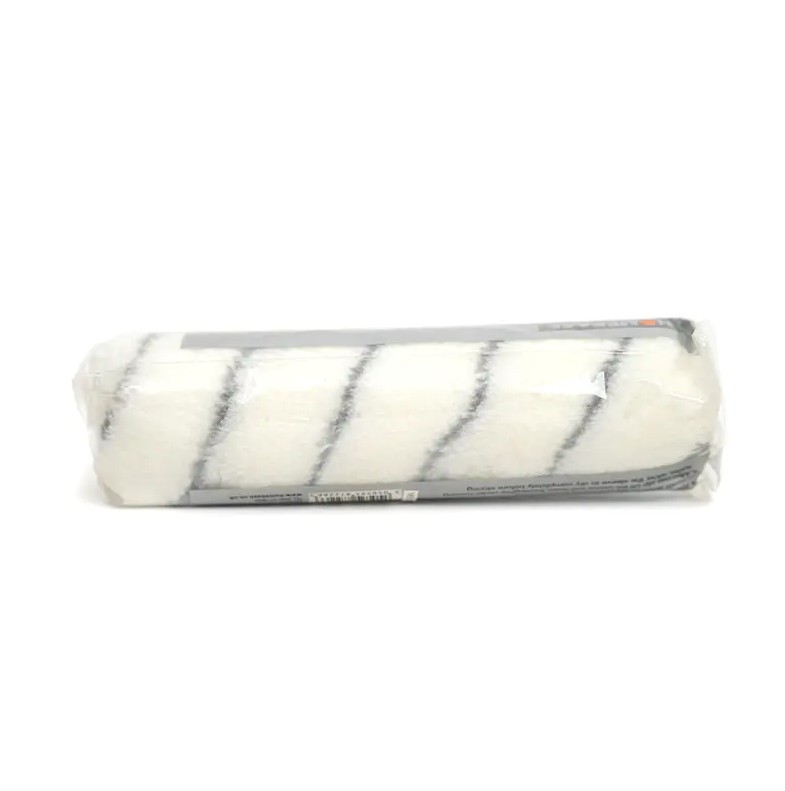
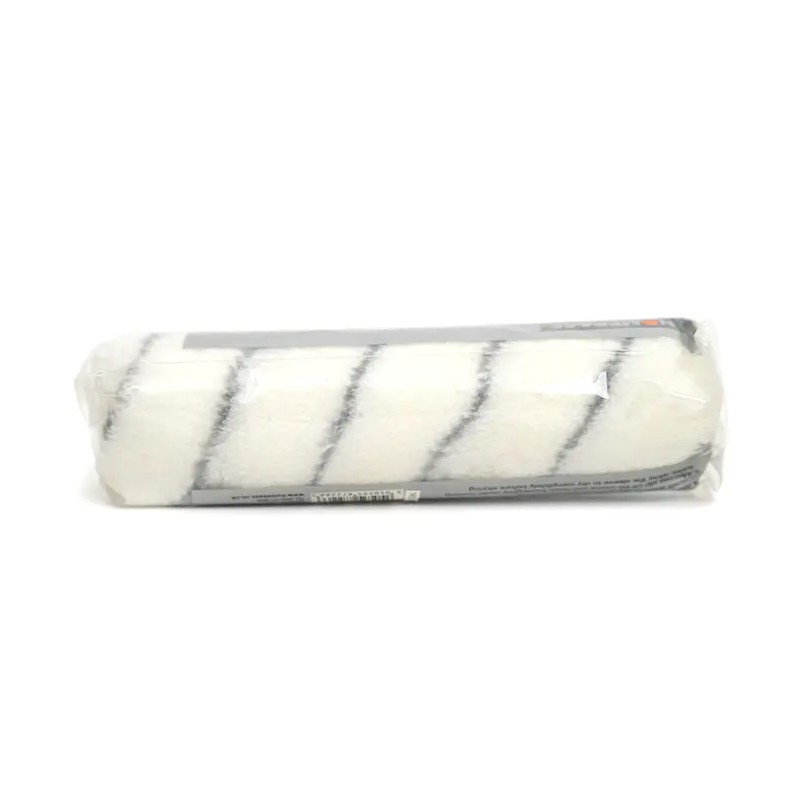
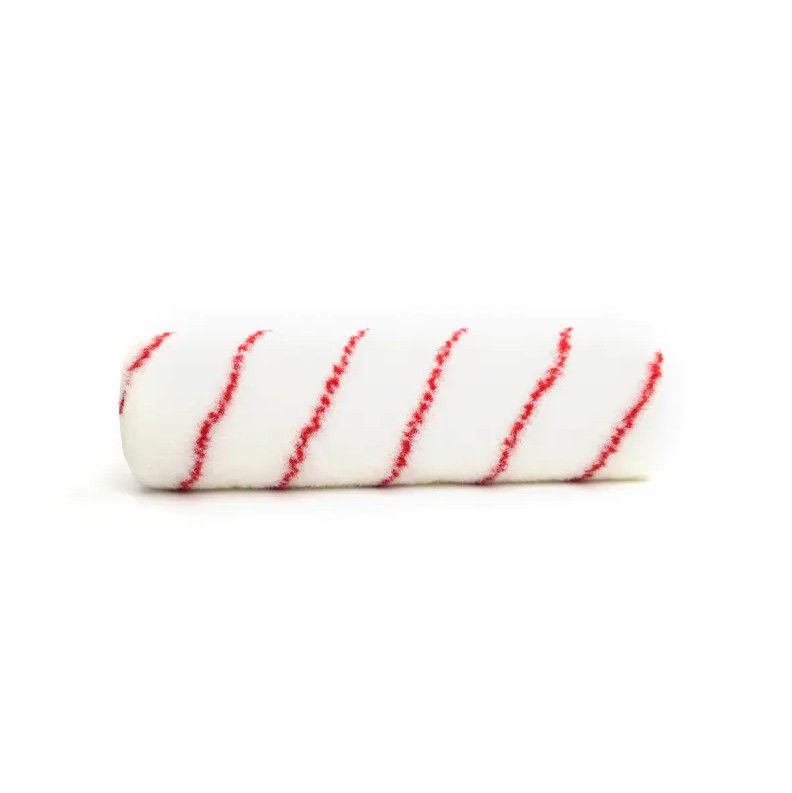
A paint roller cover — also called a roller sleeve, roller nap, or roller cowl — is a cylindrical sleeve made from fabric, synthetic fiber, or foam that fits over a roller frame and is used to pick up, hold, and apply paint to walls, ceilings, and other large surfaces. It is the active component of the paint roller system: the frame provides the structure and handle connection, but the cover determines how much paint is held, how it is deposited onto the surface, and what finish texture results. Choosing the right paint roller cover for the surface and paint type is one of the most impactful decisions in achieving a professional painting result.
Content
- 1 How a Paint Roller Cover Works
- 2 Nap Thickness: The Most Important Specification to Understand
- 3 Paint Roller Cover Materials and Their Properties
- 4 Standard Roller Cover Sizes and Core Diameters
- 5 How to Choose the Right Paint Roller Cover for Your Project
- 6 Quality Indicators: How to Identify a Good Paint Roller Cover
- 7 Cleaning and Reusing Paint Roller Covers
How a Paint Roller Cover Works
The paint roller cover functions through a simple but effective absorption-and-transfer mechanism. When the loaded roller is pressed against a surface and rolled, the nap fibers compress under pressure, releasing paint in a thin, even film onto the surface. As the roller moves away from the surface, the fibers spring back, drawing more paint from the saturated core of the cover by capillary action — ready to deposit on the next section of surface.
The nap (the pile of fibers on the cover surface) performs three functions simultaneously: it holds a reservoir of paint between fibers, it contacts the surface to transfer paint, and its texture imprints a micro-pattern onto the wet paint film. The thickness and texture of the nap determine how much paint is carried, how deeply it penetrates surface irregularities, and what the final surface texture looks like after the paint dries.
Nap Thickness: The Most Important Specification to Understand
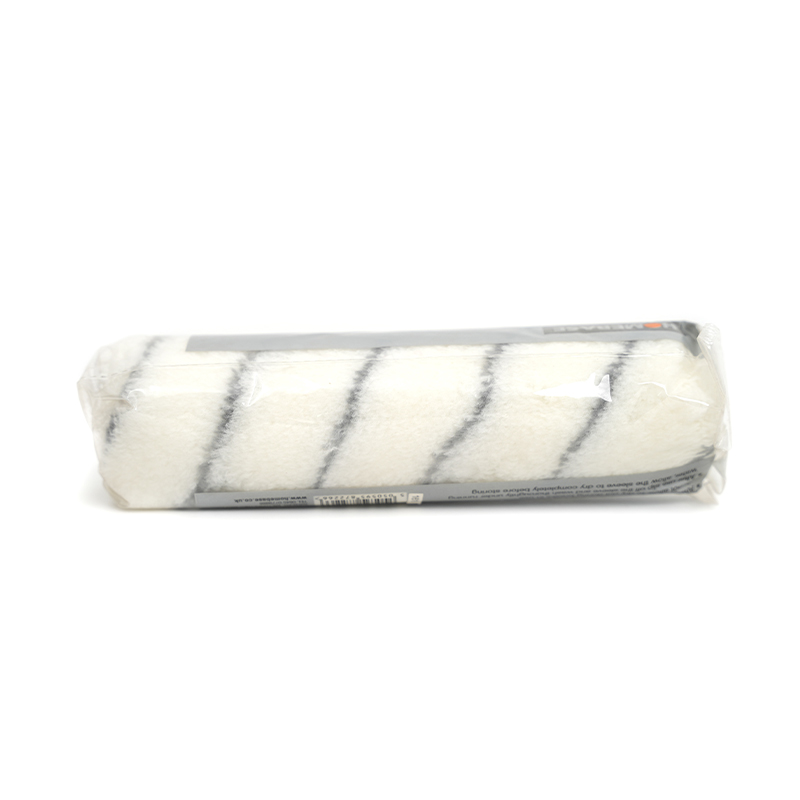
Nap thickness — also called pile depth or nap length — is measured in inches or millimeters and is the single most important variable when selecting a paint roller cover. It determines both the paint-holding capacity of the cover and the texture it imparts to the finished surface.
The general rule is straightforward: smoother surfaces require shorter nap; rougher surfaces require longer nap. A short nap on a rough surface cannot reach into recesses and leaves an uneven paint film; a long nap on a smooth surface deposits too much paint, creating a pronounced orange-peel texture.
| Nap Thickness | Best Surface Type | Typical Applications | Finish Texture |
|---|---|---|---|
| 3mm (⅛ inch) | Very smooth | Cabinets, metal doors, glass, lacquered surfaces | Ultra-smooth, minimal stipple |
| 6mm (¼ inch) | Smooth | Smooth plaster walls, ceilings, primed drywall | Very fine, low stipple |
| 10mm (⅜ inch) | Lightly textured | Standard interior walls, lightly sanded plaster | Slight orange-peel texture |
| 13mm (½ inch) | Medium texture | Sand-finish plaster, textured ceilings, wood siding | Moderate texture, visible stipple |
| 19mm (¾ inch) | Rough | Rough render, pebble-dash, exterior brick | Heavy texture, pronounced stipple |
| 25mm+ (1 inch+) | Very rough | Rough stone, heavily textured masonry, wire fencing | Very heavy texture |
Paint Roller Cover Materials and Their Properties
Paint roller covers are manufactured from several different fiber and material types, each with specific performance characteristics that suit different paint types and application requirements.
Synthetic Fiber (Polyester and Nylon)
Synthetic fiber covers — made from polyester, nylon, or polyester-nylon blends — are the most widely used type for water-based paints including emulsion, latex, and acrylic. Synthetic fibers do not absorb water, so they maintain their shape and paint-holding capacity throughout a session with water-based media. They release paint evenly, clean up quickly with water, and dry rapidly for storage or reuse. Polyester covers are slightly stiffer and more durable; nylon covers are softer and leave a finer finish. Most mid-range to professional covers use a polyester-nylon blend to balance durability with finish quality.
Woven Fabric (Lambswool and Sheepskin)
Natural wool and lambswool roller covers are the traditional choice for oil-based paints, alkyd paints, stains, and varnishes. The natural lanolin in wool fibers provides excellent compatibility with oil-based media, and the crimped fiber structure holds a generous paint load while releasing it smoothly without drips. Lambswool covers produce an exceptionally fine finish on smooth surfaces with oil-based gloss or eggshell. They should not be used with water-based paints, as the wool absorbs water, causing the fibers to swell, mat together, and lose their structure — resulting in poor paint release and a shortened service life.
Microfiber
Microfiber roller covers use ultra-fine synthetic filaments — typically 0.5 to 2 denier per fiber, far finer than standard synthetic covers — that create an exceptionally dense, uniform pile. This dense pile holds more paint per unit area than standard synthetic covers and releases it in a thinner, more even film, resulting in a noticeably smoother finish with less stipple texture. Microfiber covers work well with both water-based and oil-based paints and are particularly valued for applying satinwood, semi-gloss, and high-sheen finishes where surface smoothness is critical.
Foam
Foam roller covers are made from open-cell or closed-cell polyurethane foam and are designed for applying paint to very smooth, non-porous surfaces — doors, furniture, melamine, and metal — where the goal is a near-brush-mark-free finish. Foam covers hold less paint than fiber covers and deposit it in an extremely thin, smooth film with virtually no stipple texture. They are not suitable for textured or rough surfaces as the foam cannot conform to surface irregularities. Foam covers wear out faster than fiber covers and are generally considered single-use or short-life items.
Standard Roller Cover Sizes and Core Diameters
Paint roller covers come in a range of lengths and core diameters to fit different roller frames and suit different scale painting tasks.
- Mini rollers (100–115mm / 4 inches): Used for cutting in, painting behind radiators, inside window reveals, and other tight spaces where a full-size roller cannot reach
- Standard rollers (180mm / 7 inches): The most common size for general interior wall and ceiling painting — balances coverage speed with manageable size and weight
- Large rollers (230mm / 9 inches): Preferred by professional decorators for large open wall areas and ceilings — faster coverage than 7-inch rollers, holding more paint per load
- Extra-large rollers (300–460mm / 12–18 inches): Used for commercial and industrial painting of very large floor, wall, or ceiling areas where maximizing coverage speed is the priority
Core diameter is equally important — the internal diameter of the cover must match the frame's cage diameter precisely. The two most common core diameters are 38mm (1.5 inch) for standard hobby and mid-range rollers, and 44mm (1.75 inch) for professional-grade roller frames. Using a cover with the wrong core diameter will result in a loose, unstable fit that reduces control and application quality.
How to Choose the Right Paint Roller Cover for Your Project
Selecting the correct roller cover involves matching three variables simultaneously: the surface texture, the paint type, and the desired finish quality. The following decision framework covers the most common painting scenarios.
| Painting Scenario | Recommended Material | Recommended Nap | Reason |
|---|---|---|---|
| Smooth interior walls with emulsion | Synthetic (polyester blend) | 6–10mm | Water-compatible; fine, even finish |
| Textured plaster / sand-finish walls | Synthetic or microfiber | 13–19mm | Longer nap reaches into surface recesses |
| Smooth walls with oil-based eggshell | Lambswool or microfiber | 6–10mm | Wool suits oil media; microfiber gives finest finish |
| Ceilings (standard) | Synthetic (polyester) | 10–13mm | Moderate nap holds paint against gravity |
| Exterior masonry / rough render | Synthetic (heavy-duty) | 19–25mm | Deep nap penetrates rough surface profile |
| Smooth doors / furniture / trim | Foam or microfiber | 3–6mm | Minimal stipple; near-brush-mark-free finish |
Quality Indicators: How to Identify a Good Paint Roller Cover
Not all roller covers perform equally — even within the same nap thickness and material category. These quality indicators help distinguish covers that will apply paint smoothly and last through a full job from those that shed fibers, absorb too much paint, or leave an uneven finish.
- Low-lint construction: Run your hand firmly across the cover before purchase — a quality cover should release no loose fibers. Budget covers often shed fibers onto the wet paint surface, creating a time-consuming cleanup problem. Look for covers described as "lint-free" or "low-shed"
- Uniform nap density: The pile should be evenly distributed across the entire cover surface with no thin patches, gaps, or uneven areas. Inconsistent nap density produces uneven paint coverage with visible light and dark patches
- Firm core: The cardboard or plastic core inside the cover should be rigid and not compress easily under hand pressure. A collapsing core will cause the cover to slip on the roller frame during use, producing an inconsistent application
- Secure end caps: The plastic end caps at each end of the cover should be firmly bonded and not easily pushed in. Loose end caps allow paint to seep into the core, adding weight unevenly and making the roller difficult to clean
- Resilient fiber recovery: Squeeze the nap firmly and release — quality covers spring back immediately to their original pile height. Covers that remain flattened after compression will apply paint unevenly and produce a dull, blotchy finish
Cleaning and Reusing Paint Roller Covers
A quality paint roller cover can be cleaned and reused multiple times, significantly reducing the cost per use compared to treating every cover as single-use. The cleaning method depends on the paint type used.
Cleaning Water-Based Paint Covers
- Remove excess paint by rolling the cover firmly across old newspaper or cardboard until minimal paint transfers
- Rinse under warm running water while working the nap with fingers to release embedded paint from the fiber base
- For stubborn dried paint, soak in warm water for 10–15 minutes before rinsing
- Squeeze out excess water, reshape the nap, and stand the cover on end or hang it to dry — never store a wet cover lying flat, as this flattens the nap permanently on one side
Cleaning Oil-Based Paint Covers
- Remove excess paint by rolling across newspaper as above
- Pour a small amount of white spirit or mineral spirits into a tray and roll the cover through it, working the solvent into the nap
- Squeeze out the solvent and repeat with fresh solvent until no paint color transfers
- Finally rinse with warm soapy water to remove solvent residue, rinse clean with water, and dry as above
A well-cleaned synthetic roller cover can typically be reused 5 to 10 times before nap degradation affects paint application quality. Natural wool covers, when cleaned correctly with oil-based solvents, can last even longer. Replace the cover when the nap becomes matted, permanently flattened, or begins shedding fibers even after cleaning.