Español
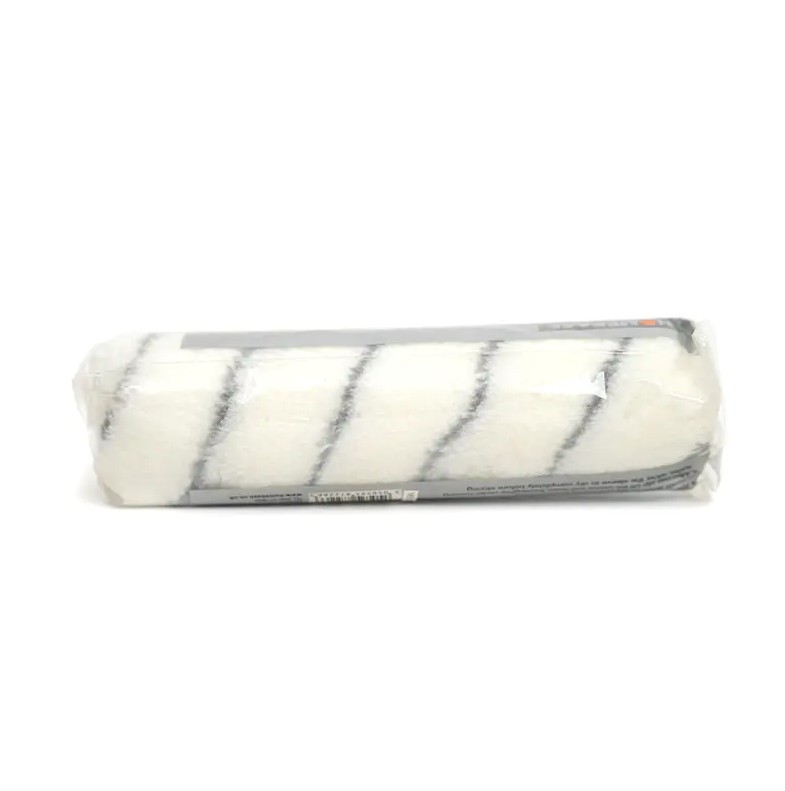
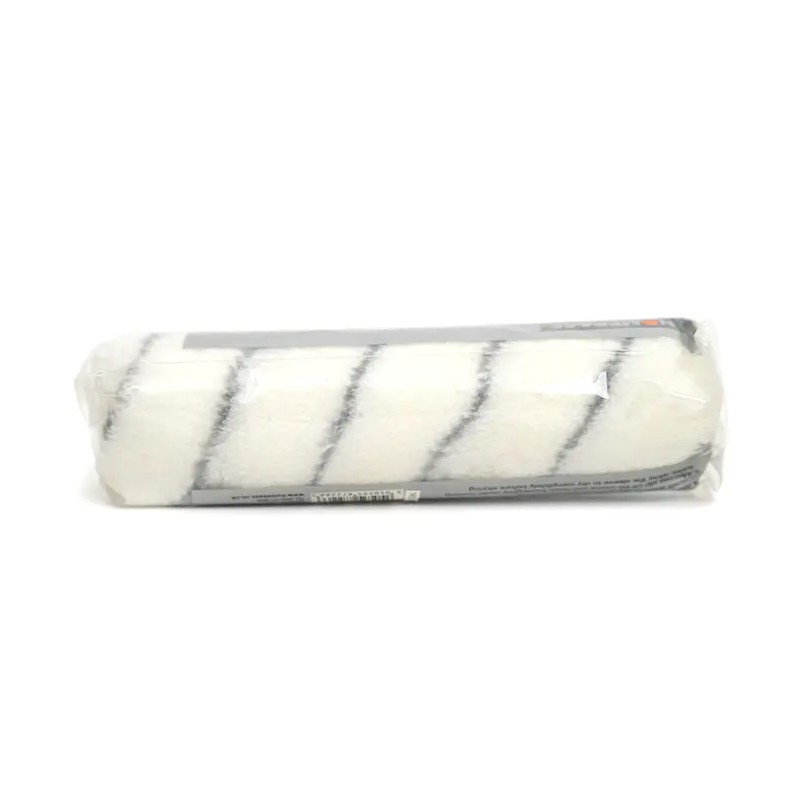
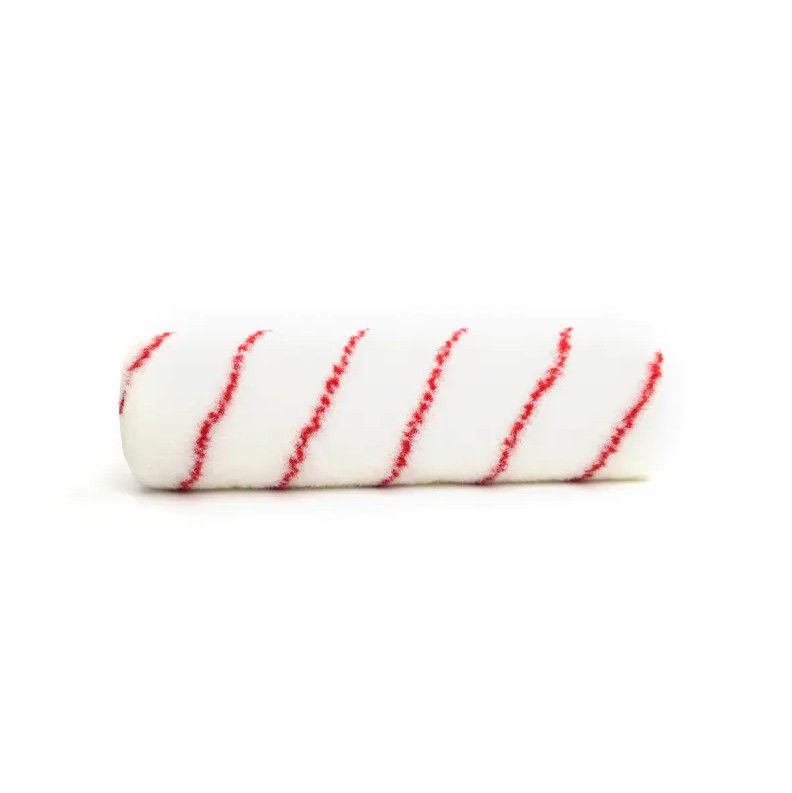
To achieve professional-level painting results, mastering how to use a Paint Roller Cover is key. Simply put, the core steps of using a Paint Roller Cover include: choosing a roller material that matches the wall texture, thoroughly wetting and wringing out the roller, applying paint evenly using a "W" or "M" pattern, and finally, performing a light finishing touch.
Content
Why is choosing the right Paint Roller Cover crucial?
In home renovation or DIY projects, the choice of Paint Roller Cover directly determines the smoothness of the paint surface and the efficiency of the application. A high-quality roller sleeve not only absorbs more paint, reducing the number of dips, but also effectively prevents brush marks and shedding.
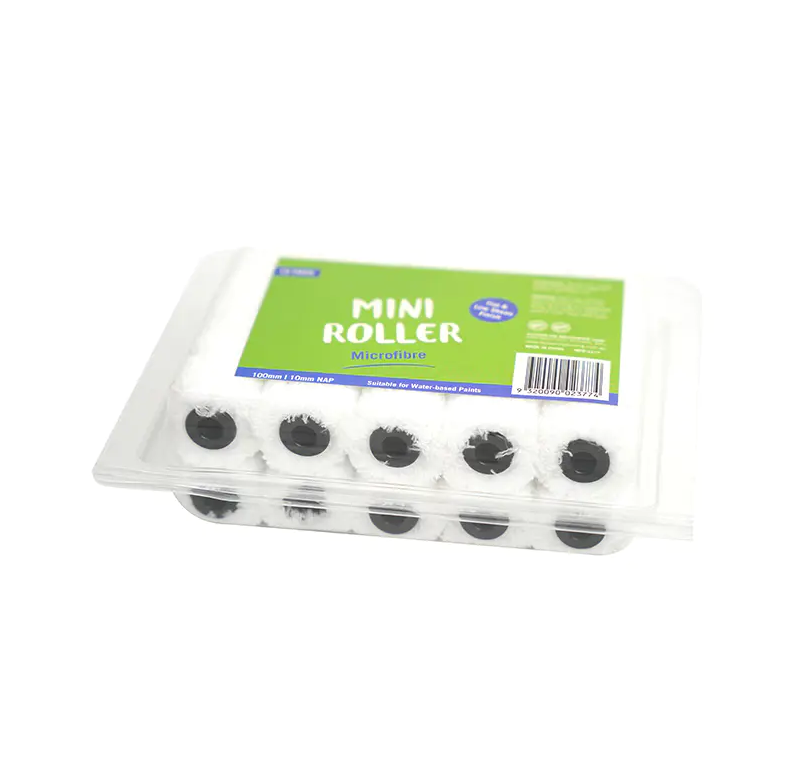
Common Paint Roller Cover Materials
- Polyester/Synthetic Fiber: Suitable for most water-based latex paints.
- Wool/Blended: Holds a large amount of paint, ideal for oil-based paints or rough surfaces.
- Foam Roller: Specifically designed for gloss paints or extremely smooth surfaces to prevent bubbles.
5 Steps to Mastering the Correct Use of a Paint Roller Cover
1. Pre-treatment: Activating the Roller Fibers
Before using a brand new Paint Roller Cover, it's recommended to slightly wet it with water (for water-based paint) or thinner (for oil-based paint), then thoroughly wring it out by hand or roll it dry on scrap paper. This step removes excess loose fibers and makes the roller fibers more absorbent.
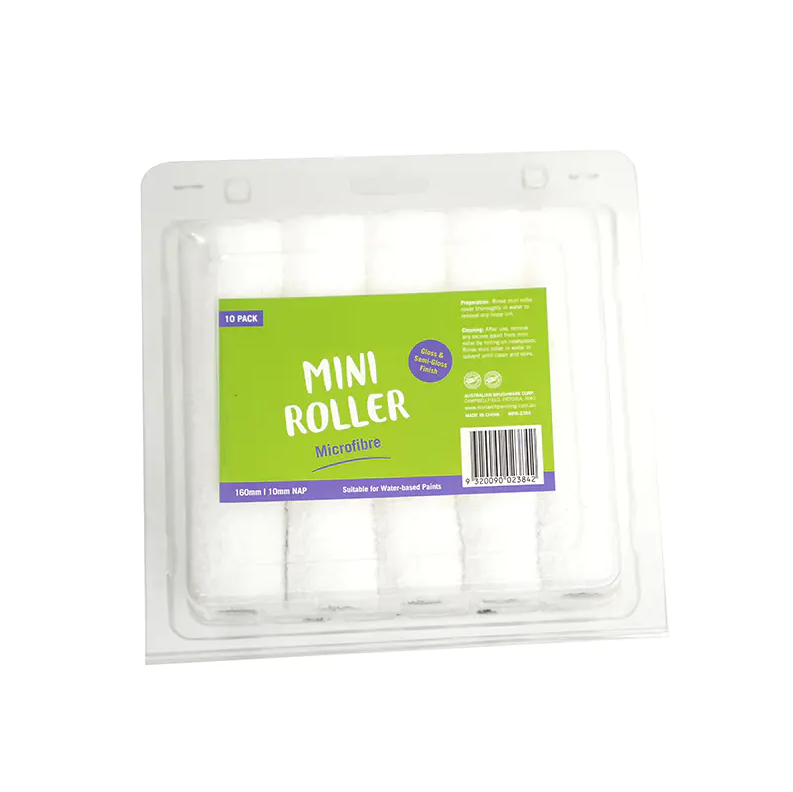
2. Correct Paint Loading
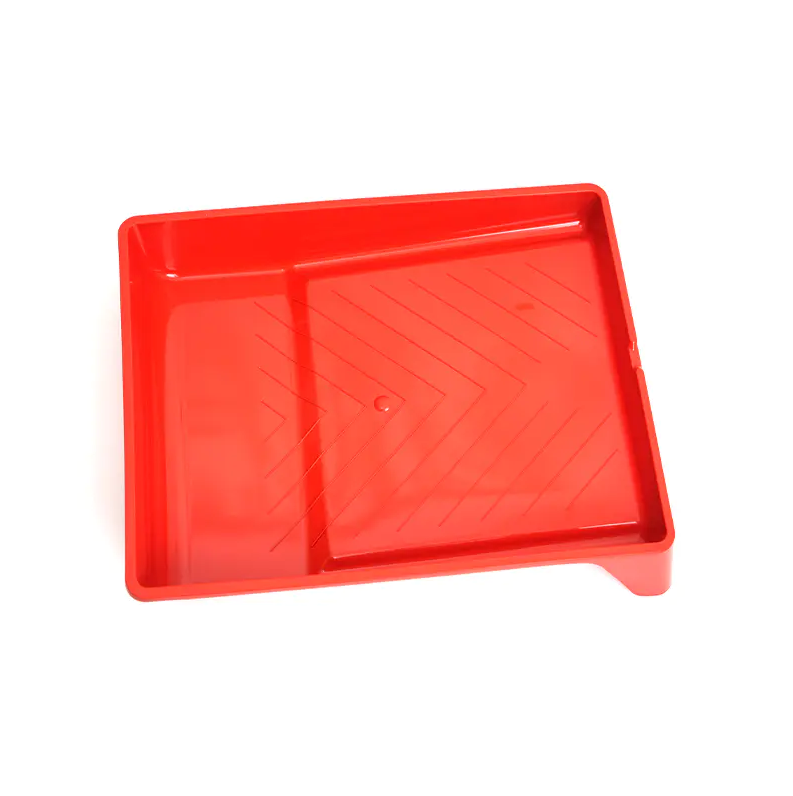
Pour the paint into the roller tray, but do not submerge the entire core. Gently dip the Paint Roller Cover into the paint, then roll it back and forth on the sloped part of the tray until the sleeve surface is evenly covered with paint, but not dripping.
3. W/M Pattern Painting Method
This is the "golden rule" of painting. First, draw a large "W" or "M" shape on the wall. This distributes most of the paint from the roller to a localized area, then fill in the blank spaces by rolling up and down and horizontally. This method ensures consistent paint film thickness.
4. Maintain a Wet Edge
To avoid noticeable overlap marks after drying, always maintain a "wet edge" during application. Each new coat of paint should overlap the edge of the previous coat, ensuring the Paint Roller Cover always works on a wet surface.
5. Light Finishing
After an area is painted, gently roll over it once in one direction (usually from top to bottom) without dipping the roller in new paint. This smooths out the texture, making the final dried paint surface look as smooth as if it were spray-painted.
Maintenance and Care Tips
High-quality paint roller covers are reusable.
Cleaning: Immediately clean with the appropriate solvent after use. For latex paint, warm soapy water is the best choice.
Drying: After cleaning, hang the roller vertically or horizontally to dry. Do not lay it flat, as this will flatten the fibers on one side and affect its performance during subsequent use.
If your wall is very smooth, choose a paint roller cover with a shorter nap (approximately 6mm-9mm); for rough brick walls or textured walls, a long-nap roller of 19mm or more is required.