Español



In home renovations or commercial painting projects, many people wonder: do professional painters use paint trays? The answer is yes. While professionals prefer using large-capacity paint buckets with strainers for large wall areas, paint trays remain an indispensable core tool in their toolbox for fine edging, small touch-ups, or using rollers in specific areas.
Content
Why do professionals still favor paint trays?
Although sprayers and paint buckets are highly efficient for large-scale work, paint trays offer irreplaceable advantages in specific scenarios:
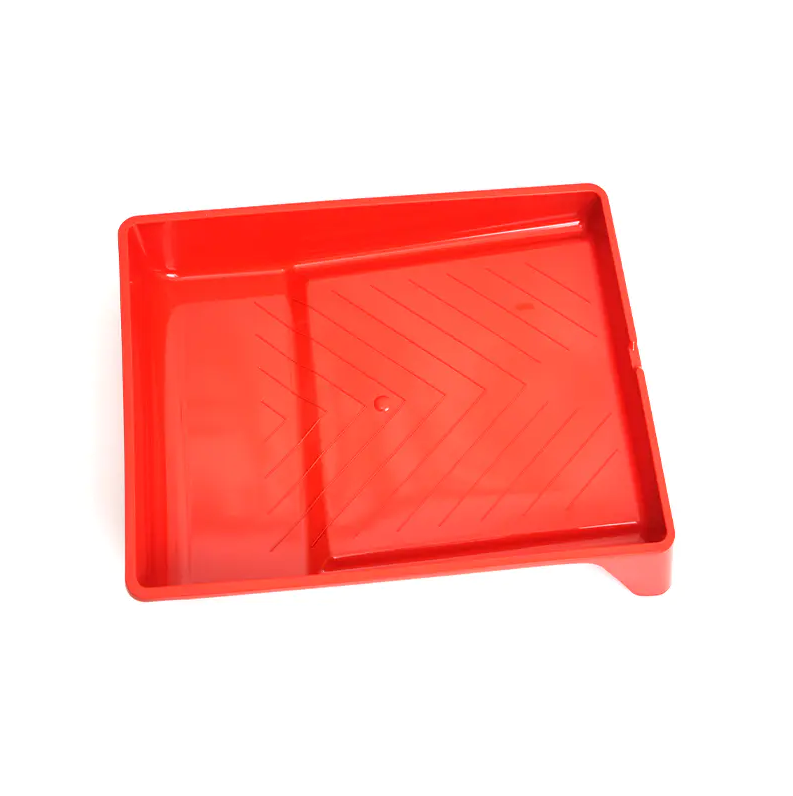
- Precise paint loading control: The unique sloped texture design of the paint tray helps painters evenly distribute paint on the roller, preventing drips and uneven application.
- Flexible mobility: When working on stairs, ceiling moldings, or in confined spaces, lightweight paint trays are easier to carry and maneuver than heavy paint buckets.
- Easier color switching: When a project involves multiple color schemes (such as accent walls), using multiple paint trays effectively prevents color contamination and improves efficiency during transitions between colors.
The Right Way to Use Paint Trays in Professional Painting
To ensure top-quality workmanship, professional painters typically follow these techniques when using paint trays:
1. Use with disposable liners
To save cleaning time and extend tool life, professionals place disposable plastic liners inside metal or plastic paint trays. This allows them to simply discard the liner when changing colors or finishing work, without wasting large amounts of water for cleaning.
2. Control the amount of paint
Beginners often fill the paint tray completely, while professionals only pour in about one-third of the tray's depth. This leaves enough sloped space (loading area) for the roller to roll freely, squeezing out excess paint and ensuring a uniform paint film thickness.
3. Choose high-quality materials
Professional paint trays are usually made of heavy-duty polypropylene or rust-resistant metal. Compared to cheap, thin plastic trays, high-quality paint trays have a more stable center of gravity, are less likely to tip over, and have a non-slip design on the bottom, making them suitable for various complex construction sites.
Buying Guide: How to Choose the Right Paint Tray?
When choosing a paint tray, if you want to work like a professional, you can consider the following three key dimensions to select the most suitable tool:
- Choose a deep-cavity design: It is recommended to prioritize paint trays with greater depth. A deep-cavity design can hold more paint at once, significantly reducing the frequency of refilling during the painting process, thus maintaining the continuity of the painting rhythm.
- Pay attention to the internal texture structure: An ideal paint tray should have a waffle pattern or prominent horizontal ribs. This texture enhances the friction of the roller on the surface, ensuring that the paint is evenly distributed on the roller bristles, preventing uneven thickness marks on the wall.
- Check the sturdy hanging hook bracket: Professional-grade paint trays usually have stepped hooks. This design allows you to securely hang the paint tray on the steps of a stepladder, freeing your hands and effectively preventing tipping accidents while working on the ladder.
A paint tray is not just a tool for amateurs; it is synonymous with refined painting. Whether you are a professional paint contractor or a home improvement enthusiast striving for perfection, mastering the use of a paint tray will give your walls a smooth, professional finish.