Español
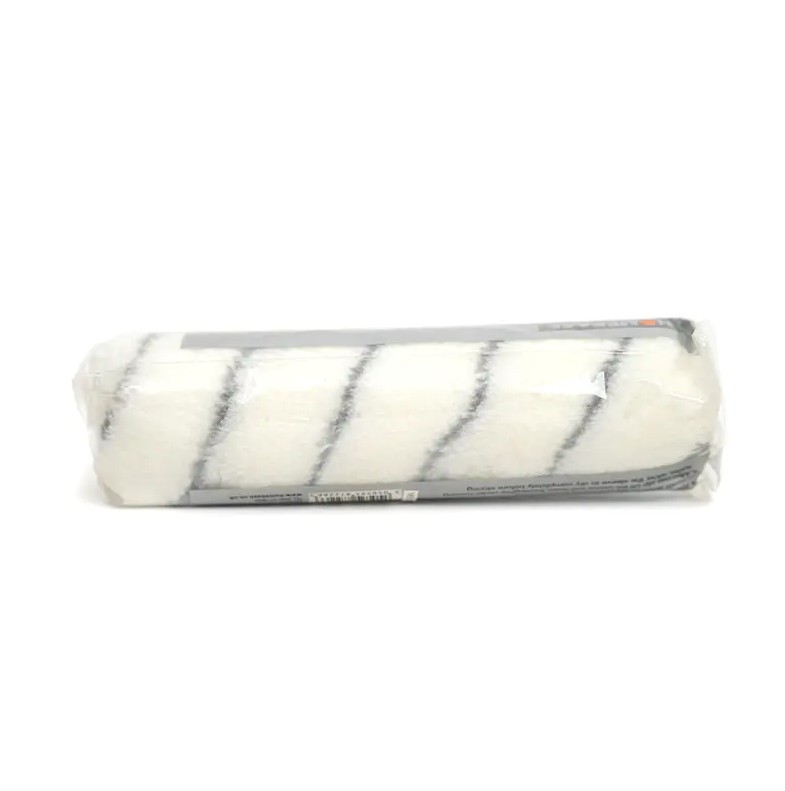
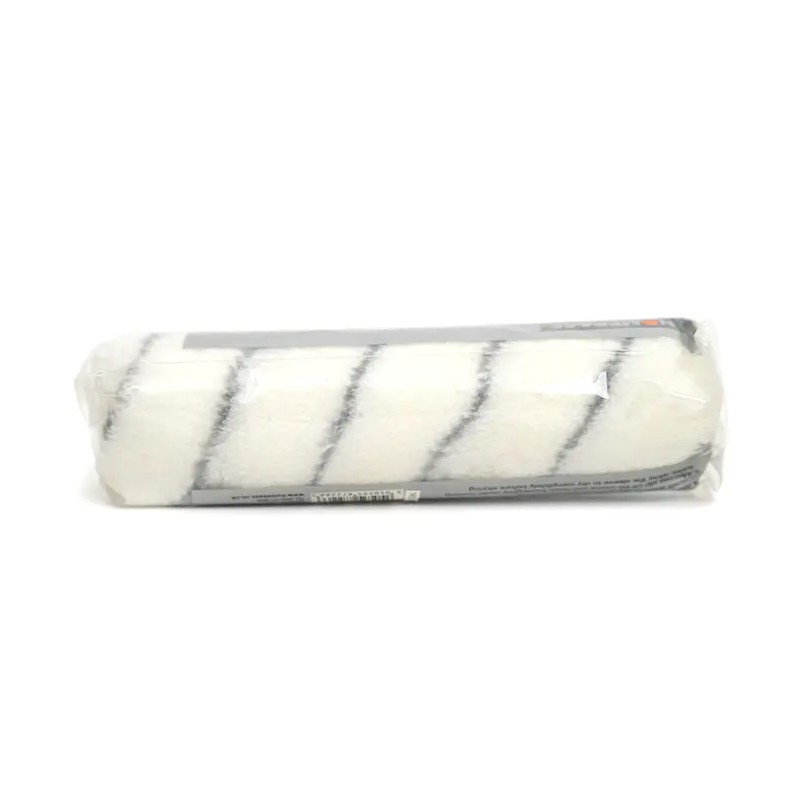
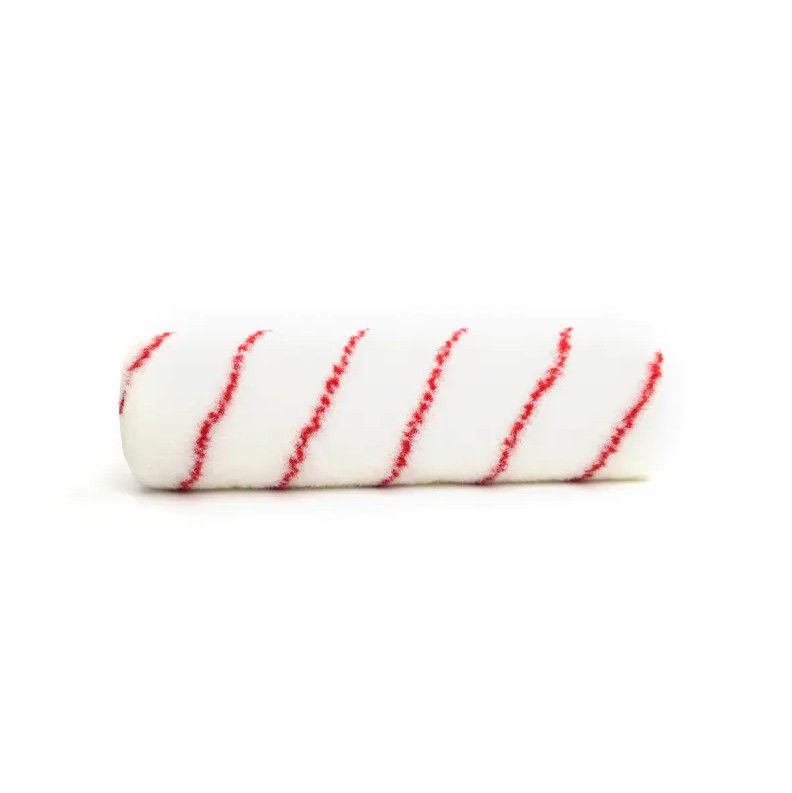
For most interior walls, a 9-inch roller with a 3/8-inch nap is the best all-purpose choice. It covers large surfaces efficiently and works well on smooth to slightly textured drywall — the most common wall type in homes. That said, the ideal roller depends on your wall texture, paint type, and project scale. Here's a full breakdown to help you choose confidently.
Content
- 1 Roller Nap Thickness: The Most Important Decision
- 2 Roller Width: Matching Size to the Job
- 3 Roller Cover Material: Fabric Matters More Than You Think
- 4 Best Paint Roller Recommendations by Wall Type
- 5 Frame and Handle Quality: Don't Overlook the Cage
- 6 When to Use an Extension Pole
- 7 Tips for Getting a Smooth, Professional Finish
- 8 Disposable vs. Reusable Rollers: Cost Comparison
Roller Nap Thickness: The Most Important Decision
Nap (or pile) thickness determines how much paint the roller holds and how well it reaches into surface texture. Choosing the wrong nap is the most common mistake DIYers make.
| Nap Thickness | Best Wall Surface | Typical Use |
|---|---|---|
| 3/16" – 1/4" | Very smooth (plaster, Level 5 drywall) | High-gloss finishes, fine detail work |
| 3/8" | Smooth to light orange-peel texture | Most interior walls — best general choice |
| 1/2" | Medium texture (knockdown, skip trowel) | Average textured walls |
| 3/4" – 1" | Heavily textured or rough (popcorn, brick) | Stucco, masonry, rough cinder block |
Using too thin a nap on a textured wall means the paint won't fill the valleys. Too thick a nap on a smooth wall creates excess stippling and an uneven finish.
Roller Width: Matching Size to the Job
Roller width affects how quickly you can cover a surface. The standard options are:
- 9-inch rollers — The standard choice for walls. Ideal for rooms of any size; balances speed and control well.
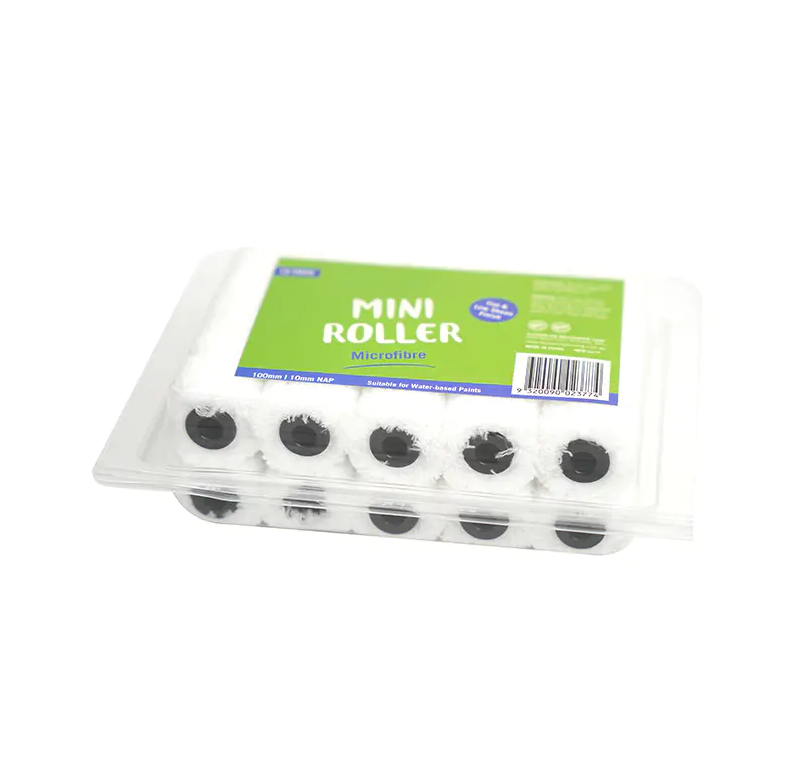
- 4- to 6-inch mini rollers — Best for tight areas, behind radiators, or accent walls with limited access.
- 14- to 18-inch wide rollers — Used by professionals on large, open walls or gymnasium-scale surfaces. They load more paint but are harder to control.
For a typical bedroom or living room, the 9-inch roller covers approximately 400 sq ft per hour when rolling efficiently with a properly loaded roller.
Roller Cover Material: Fabric Matters More Than You Think
The material of the roller cover affects how smoothly paint transfers and whether it sheds lint onto your wall.
Polyester
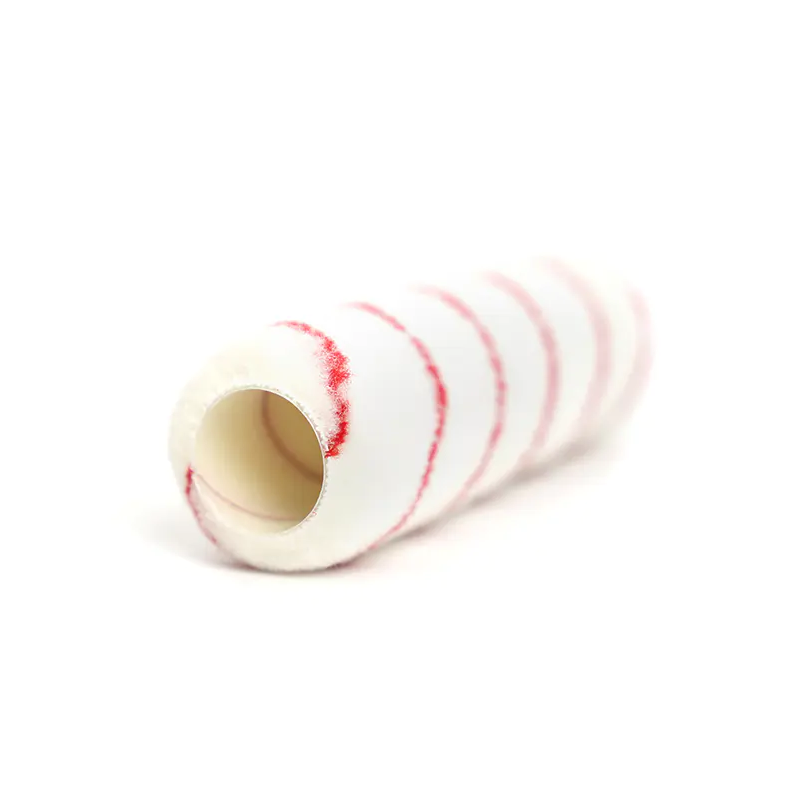
Works well with latex (water-based) paints. Holds its shape, easy to clean, and lint-free. Best for most DIY wall painting projects.
Lambswool / Mohair
Natural fibers that work exceptionally well with oil-based paints and alkyd enamels. They hold more paint and produce a smoother finish but are harder to clean and more expensive ($15–$30). They can mat down with water-based paints, reducing coverage quality.
Foam
Produces a very smooth finish with minimal texture but applies paint thinly. Best for oil-based paints on very smooth walls or when painting cabinets and trim. Not recommended for large wall areas — it's slow and can leave bubbles with latex paint.
Microfiber
A modern option gaining popularity. Microfiber holds more paint than standard polyester, releases it evenly, and is virtually lint-free. It works well with both latex and oil-based paints. Expect to pay $12–$20, but they last significantly longer.
Best Paint Roller Recommendations by Wall Type
Here are specific roller combinations based on common wall scenarios:
- Smooth drywall (new construction or renovated): 9-inch, 3/8" nap polyester or microfiber roller. Apply eggshell or satin latex for best results.
- Orange-peel texture (very common in modern homes): 9-inch, 3/8" to 1/2" nap polyester. The slight extra depth fills the small peaks without over-stippling.
- Knockdown or skip trowel texture: 9-inch, 1/2" nap. Use a heavier-bodied paint or apply two coats for full coverage.
- Popcorn or heavy stucco walls: 9-inch, 3/4" to 1" nap lambswool or thick polyester. These walls absorb significantly more paint — budget 30–50% more paint volume.
- Brick or cinder block interior walls: 1-inch nap, 9-inch or wider roller. Masonry walls require masonry-specific primer first.
Frame and Handle Quality: Don't Overlook the Cage
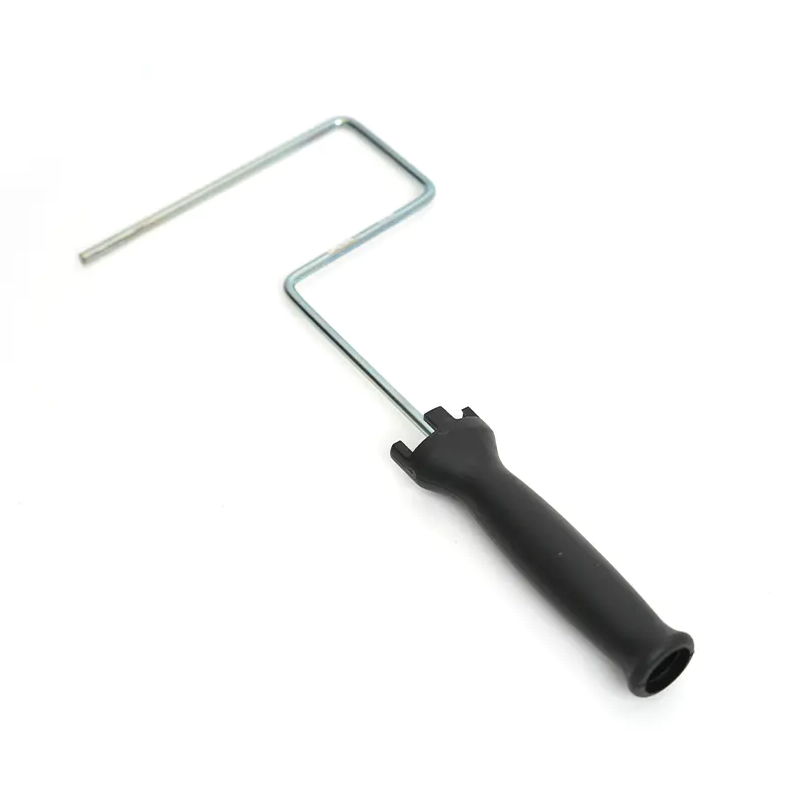
The roller frame (cage) holds the cover and connects to your handle. A cheap frame wobbles, which causes uneven paint application and fatigue. Key features to look for:
- Wire cage construction — Lighter than solid plastic, resists paint buildup, easier to clean.
- Threaded handle end — Allows extension poles to be attached. Essential for painting walls without a ladder.
- Tight-fitting cover — The cover should slide on snugly without slipping mid-roll.
When to Use an Extension Pole
An extension pole dramatically improves efficiency and reduces physical strain. A 4-to-8-foot adjustable pole is the most versatile option for standard ceiling heights of 8–9 feet. It allows you to reach from floor to ceiling without repositioning a ladder and lets you apply more consistent pressure across the roller.
For high ceilings (10 feet or more), consider a pole that extends to 12 feet. Most poles are threaded to fit standard roller frames universally.
Tips for Getting a Smooth, Professional Finish
Even with the right roller, technique matters. Follow these practices to avoid common problems like streaks, stippling, and lap marks:
- Pre-wet the roller cover with water (for latex) or mineral spirits (for oil-based) before loading it with paint. This primes the fibers and reduces lint.
- Don't overload the roller. Dip it into the tray, then roll out excess on the ridged section until it spins without dripping.
- Use a "W" or "M" pattern on the wall to distribute paint, then fill in with parallel strokes. This prevents lap marks.
- Maintain a wet edge. Work in sections no larger than 3–4 feet wide so you're always rolling into fresh paint, not dried edges.
- Use consistent pressure. Light pressure at the end of each stroke avoids ridges left by the roller's edge.
- Apply two thin coats rather than one heavy coat. The first coat may look uneven — that's normal. The second coat evens everything out.
Disposable vs. Reusable Rollers: Cost Comparison
For a single room, a disposable roller cover (~$3–$5) can be cost-effective. But for multi-room projects or regular painting, reusable covers pay off quickly:
- A quality reusable cover ($10–$15) can be cleaned and reused 5–10 times if properly maintained.
- Cleaning a latex-paint roller takes under 5 minutes with a roller spinner tool and warm water.
- Store cleaned covers upright or wrapped in plastic wrap to prevent flattening and fiber damage.
Cheap disposable covers often shed lint and apply paint unevenly — the small savings rarely justify the quality tradeoff on visible wall surfaces.