Español
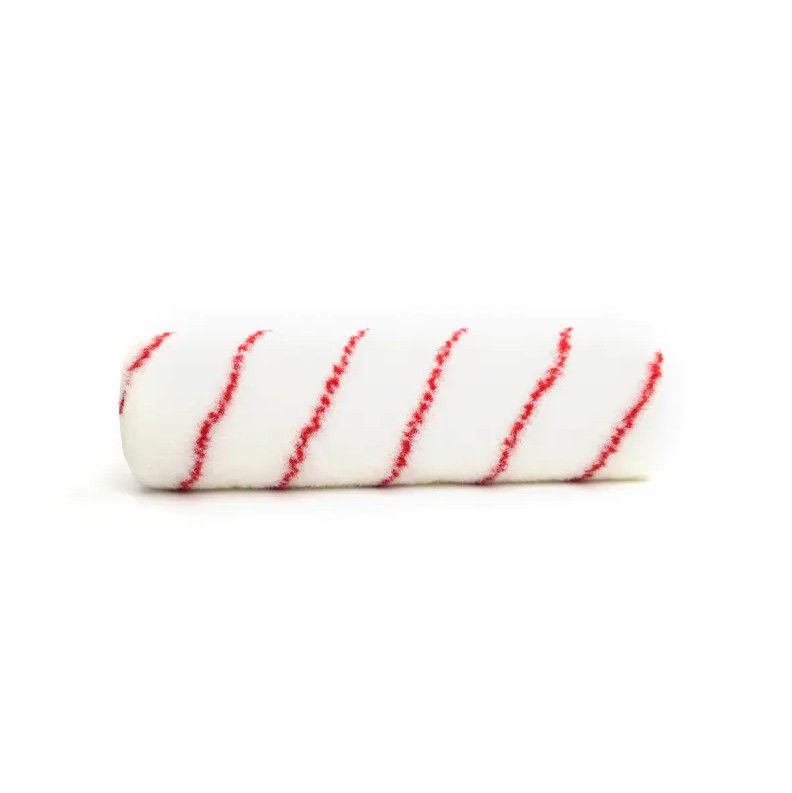
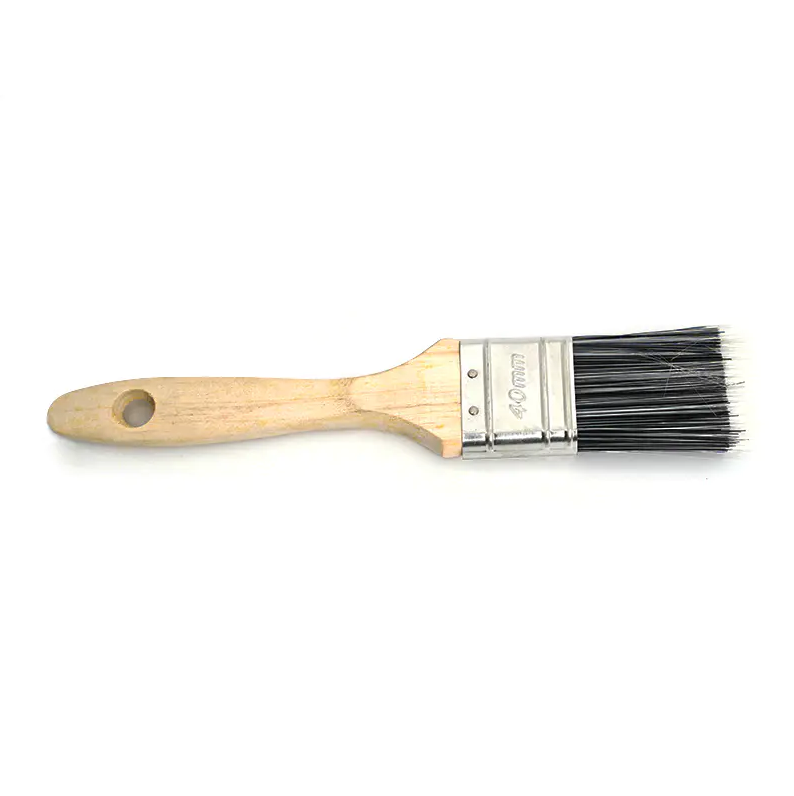
For wall painting, the best tool depends on the type of paint you're using: Latex paint (water-based paint) is best applied with wall paint brushes made of synthetic fibers, as they won't absorb water and deform; while oil-based paints are better suited to natural bristle paint brushes for a smoother finish. Choosing the right wall paint brush not only improves efficiency but also effectively reduces brush marks, ensuring a smooth, flawless wall surface.
Content
- 1 I. Choosing by Material: Synthetic Fibers vs. Natural Bristles
- 2 II. Choosing by Brush Head Shape: Flat or Angled?
- 3 III. Keywords Affecting Wall Appearance: How to Avoid Brush Marks?
- 4 IV. 2026 New Trends in Home Renovation: Environmental Protection and Durability
- 5 V. How to Choose Your First Brush?
I. Choosing by Material: Synthetic Fibers vs. Natural Bristles
When choosing a wall paint brush, the material is a key factor in determining the painting effect.
- Synthetic Fiber Brushes (Nylon/Polyester): These are the most commonly used wall paint brushes in home renovation today. Because latex paint is water-based, nylon or polyester fibers don't absorb water and become heavy and ineffective like animal hair. They maintain excellent elasticity, allowing for more even paint distribution.
- Natural Bristle Brushes: Usually made from hog bristles, they have tiny scales in their structure that can hold more oil-based paint. If you need to paint wood or metal surfaces, natural bristle wall paint brushes provide excellent leveling properties.
II. Choosing by Brush Head Shape: Flat or Angled?
Different painting locations have specific requirements for the shape of the wall paint brush:
- Flat Brushes: The most classic style, suitable for horizontal or vertical painting on large, flat wall surfaces. They hold a large amount of paint and offer high coverage efficiency.
- Angled Cut Brushes: The brush head is angled, making them ideal for corners, baseboards, and ceiling edges. If you want to paint straight lines without using masking tape, a high-quality angled wall paint brush is essential.
III. Keywords Affecting Wall Appearance: How to Avoid Brush Marks?
- Pre-treatment: Before using a new paint brush, gently flick the bristles with your fingers to remove loose fibers, and then moisten them with water (for water-based paint) or thinner (for oil-based paint). This will ensure smoother application.
- Paint loading: Do not immerse the entire brush head into the paint can. Only dip 1/3 to 1/2 of the bristle length into the paint. This prevents dripping and reduces cleanup difficulties.
- Using the right tools: For large wall areas, it's recommended to first use a roller for large-area coverage, and then use a smaller paint brush for detailed edging.
IV. 2026 New Trends in Home Renovation: Environmental Protection and Durability
With the improvement of environmentally friendly home decoration standards, many paint brushes using self-cleaning technology have appeared on the market. These brushes are not only easy to clean and reusable, but they can also be used with zero-VOC (volatile organic compounds) paints for optimal environmental performance.
V. How to Choose Your First Brush?
If you are doing a simple interior latex paint renovation, purchasing a 2.5-inch to 3-inch nylon angled paint brush is the most cost-effective option. It can handle both large-area application and fine detail work.