Español
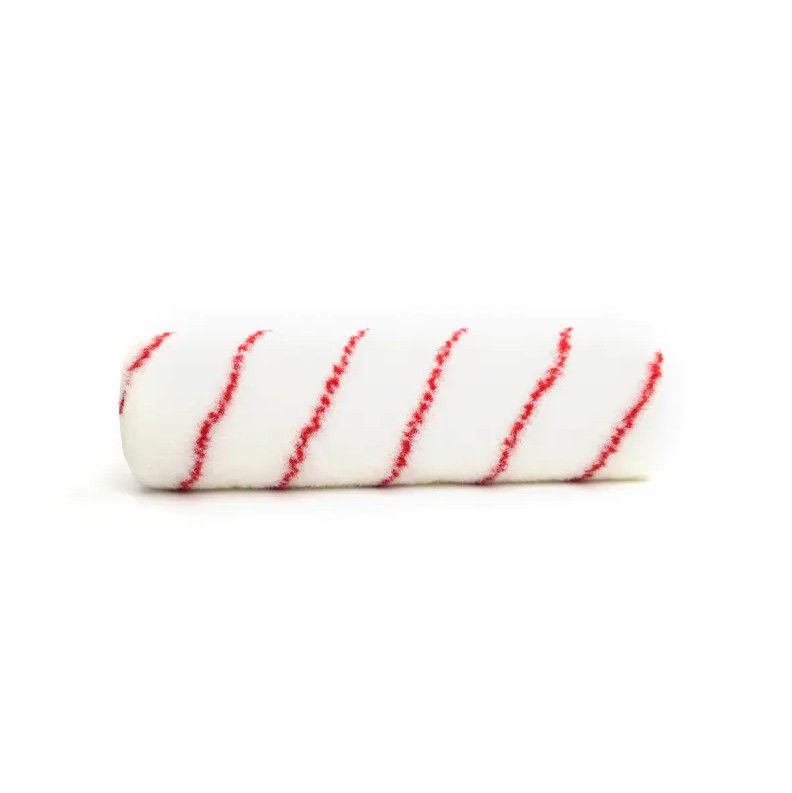
When doing home renovations or wall refurbishments, a paint tray is an indispensable tool for every DIY enthusiast and professional painter. Although it may seem like just a simple container for paint, using it correctly can significantly improve work efficiency and ensure an even and beautiful finish.
Content
Preparation Stage: Selection and Installation
Proper preparation before using a paint tray can reduce cleanup hassles later.
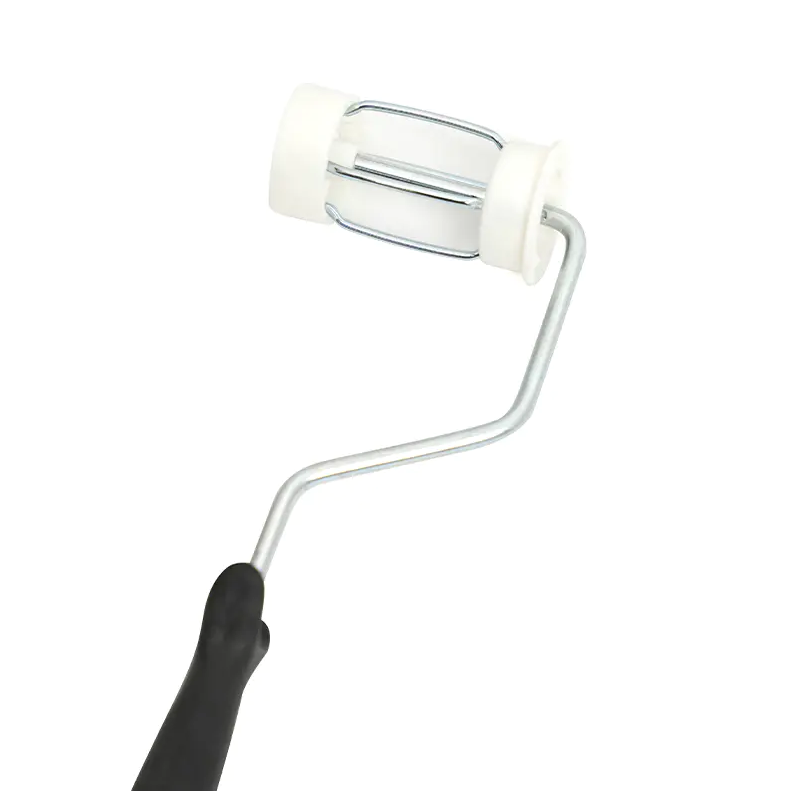
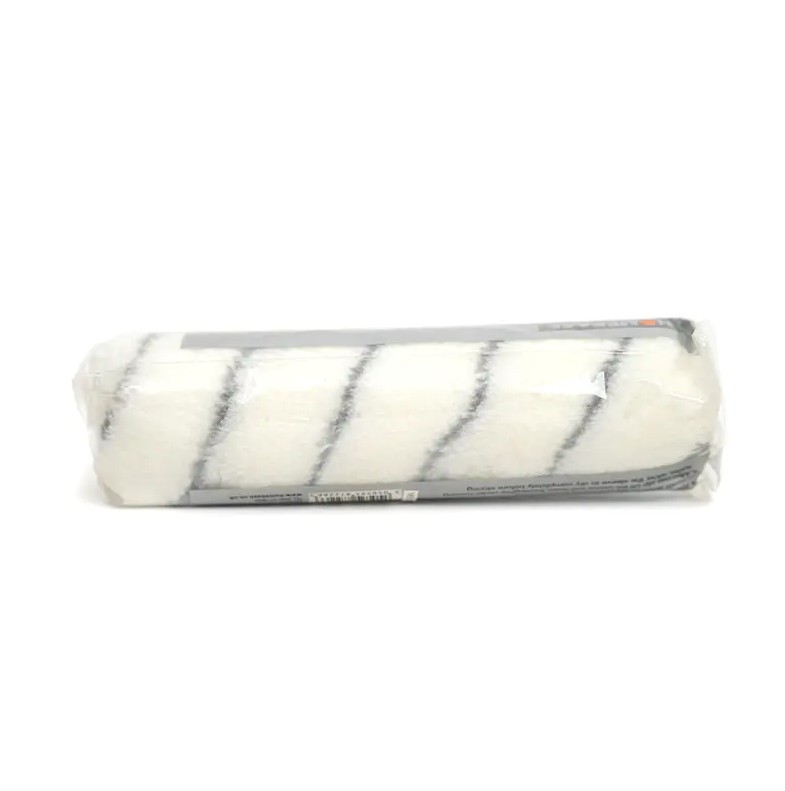
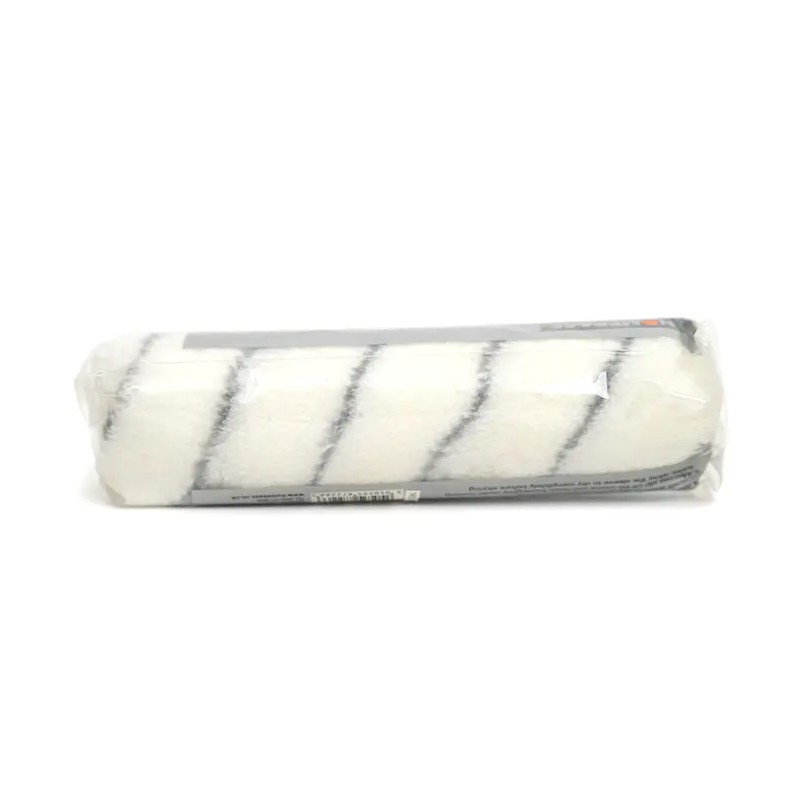
- Choose the Right Size: Select a paint tray that matches the width of your roller brush. Common sizes available include 9-inch, 7-inch, and smaller trays.
- Use a Tray Liner: This is a professional's "secret weapon." Inserting a disposable plastic liner into the paint tray eliminates the hassle of cleaning, and you only need to replace the liner when changing colors.
- Keep the Base Stable: Place the tray on a flat surface. If working on a ladder, ensure the tray holder is secure and reliable to prevent spills.
Operating Techniques: Painting and Evenly Applying Paint
The core purpose of using a paint tray is to ensure the roller absorbs paint evenly, preventing runs or uneven application on the wall.
1. Pour in an appropriate amount of paint
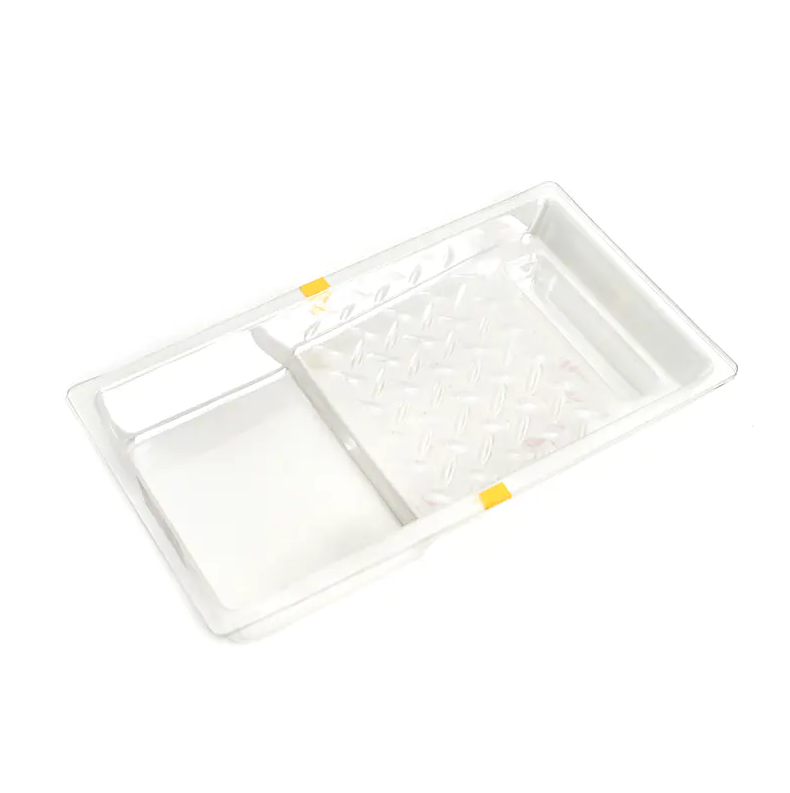
Do not fill the entire tray with paint. The correct method is to pour paint into the reservoir at the deep end of the tray, filling it to about half its depth. This leaves a sloping area (textured area) for even application.
2. Dip the roller
Gently dip the roller into the reservoir of the paint tray, coating its surface with paint. Do not completely submerge the roller, otherwise excess paint will flow into the roller holder.
3. "Roll" on the sloping area
This is the most crucial step. Move the paint-coated roller to the sloping textured area of the tray and roll it back and forth several times.
- The purpose of the sloping area: To remove excess paint and distribute it evenly across the roller fibers.
- Judgment criteria: The roller should appear wet but not dripping, and should rotate smoothly.
Cleaning and Maintenance: Extending Lifespan
If you're not using disposable liners, timely cleaning of the paint tray is especially important.
- Recycle Leftover Paint: After painting, align the corner of the tray with the paint bucket and pour the excess paint back in.
- Clean Promptly:
- Water-based paints: Clean with warm soapy water and a long-handled brush.
- Oil-based paints: Require the appropriate thinner (such as turpentine) for cleaning.
- Dry Thoroughly: After cleaning, invert the tray to dry to prevent rust (metal trays) or dust accumulation.
Mastering the use of a paint tray is half the battle won in your painting project. Proper application, even painting, and meticulous post-painting cleanup can not only save paint but also achieve a smooth finish like that of a professional decorator.