Español
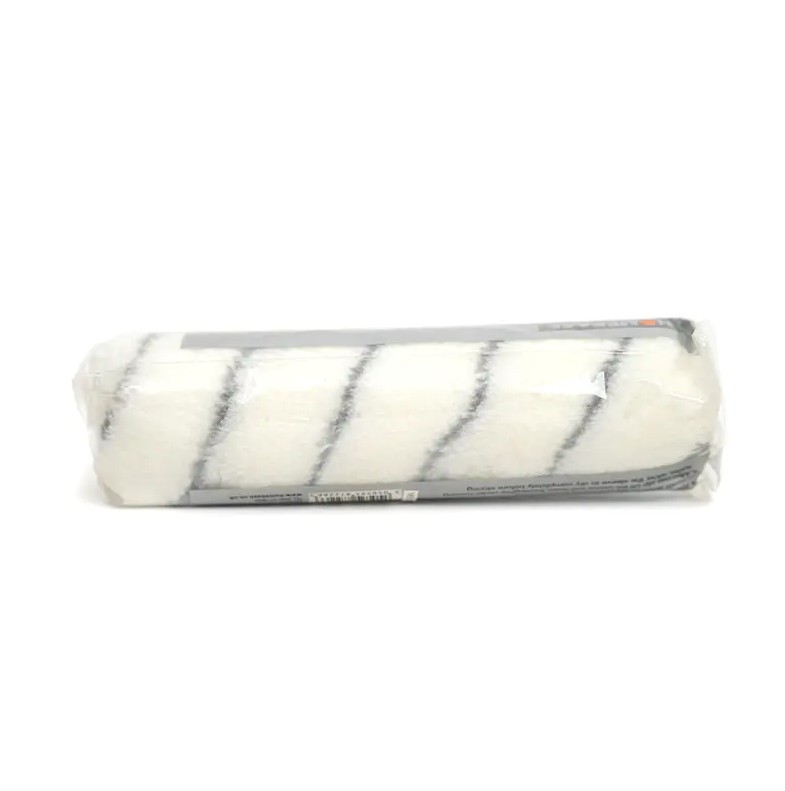
In home renovations or industrial painting, Paint Roller Frame (also often called roller brush holders) are one of the key tools determining painting efficiency and results. Many people think of roller holders as simply metal supports, but in fact, there are various designs and types available on the market to meet different application needs.
Content
I. Classification by Structure: Core Design Differences of Roller Holders
1. Standard Single-Line Paint Roller Holder (Cage Roller Holder)
Features: This is the most common and basic type of paint roller holder on the market. It typically consists of a central shaft and roller cages fixed at both ends.
Applicable Scenarios: Suitable for standard paint roller sleeves (such as 4-inch, 7-inch, 9-inch, etc.), making installation and replacement of sleeves very convenient and quick. It is the most versatile choice for both everyday home painting and professional painting. A standard Paint Roller Frame is usually sufficient for most projects.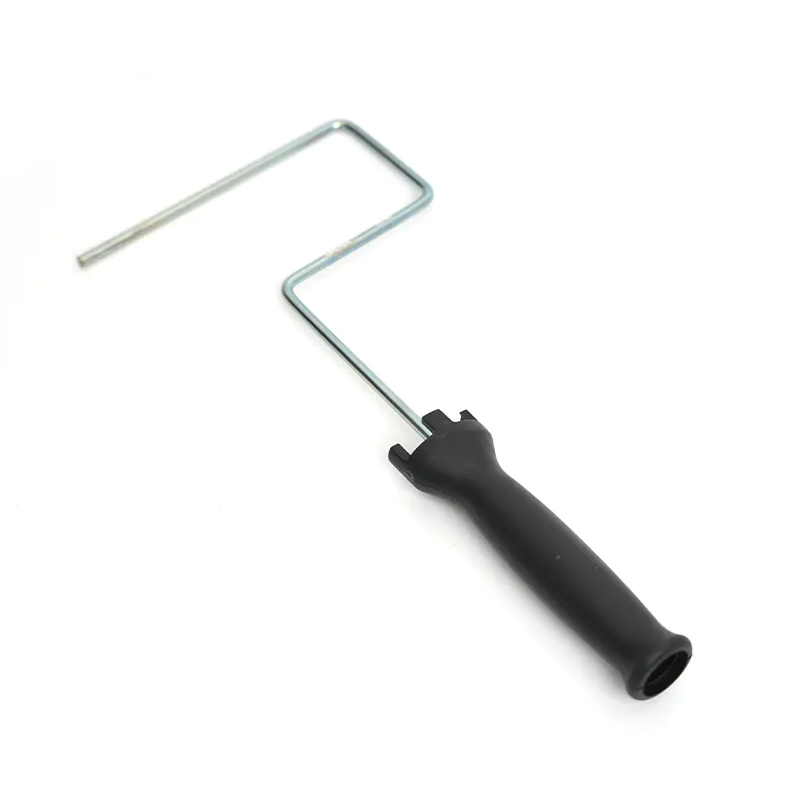
2. Heavy-Duty Roller Brush Holder (with Bearings or Reinforced)
Features: Compared to the standard type, heavy-duty Paint Roller Frame typically use more robust metal materials and even add precision components at the bearing locations to reduce friction.
Advantages: Smoother and less strenuous roller application, especially suitable for large-area or long-duration professional painting projects. Better able to support the weight of high-viscosity paints or thick rollers.
3. Mini/Pocket Paint Roller Holder
Features: Short and compact roller holder designed specifically for small-sized paint rollers (e.g., 2-inch, 4-inch).
Suitable Scenarios: Ideal for fine painting in narrow areas, corners, window frames, door frames, or baseboards; an indispensable roller holder for detail work.
II. Classification by Handle Connection Method: Extending Your Reach
1. Fixed Handle Paint Roller Holder
Features: Fixed handle length; cannot be extended or connected to other accessories.
Suitable Scenarios: Close-range, eye-level work surfaces, such as wainscoting, low walls, or workbenches.
2. Telescopic/Extension Rod Connector Paint Roller Holder
Features: Standard threaded interface at the end of the handle for easy connection to commercially available telescopic rods or extension rods.
Advantages: This greatly expands the application range of Paint Roller Frame, allowing you to easily paint ceilings or high walls without a ladder, safely and efficiently.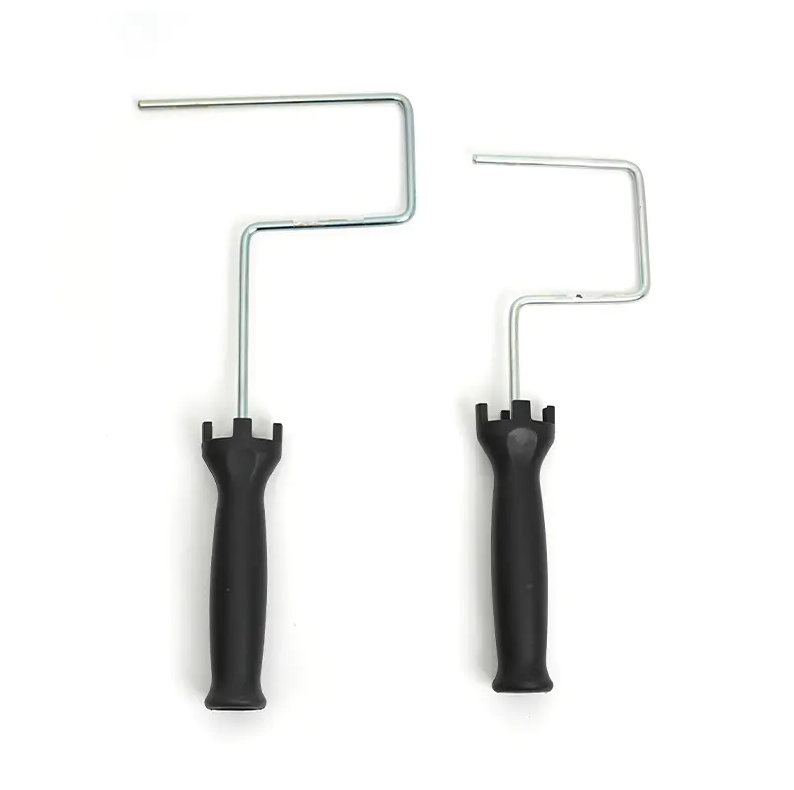
III. How to Choose the Right Paint Roller Holder?
Choosing the right paint roller holder is key to ensuring painting quality and efficiency. Here are some purchasing suggestions:
Based on Painting Area: For large-area, professional painting jobs, choose heavy-duty roller holders or those with extension bar interfaces to ensure efficiency and comfort.
Based on Paint Type: Most standard Paint Roller Frame are suitable for water-based paints; however, if using solvent-based paints, ensure the roller holder material has good chemical resistance.
Check the Clip System: A high-quality paint roller holder should have a secure and easily release clip or spring system to ensure the paint roller sleeve does not fall off or wobble during high-speed rolling, which directly affects the smoothness of the paint finish.
Consider Ergonomics: Painting tools with comfortable, non-slip handles significantly reduce fatigue during long working hours.
Whether you're a DIY enthusiast or a professional painter, a well-designed Paint Roller Frame can make your work easier. Next time you purchase, choose the type that best suits your specific needs to achieve the best results for your painting projects!