Español
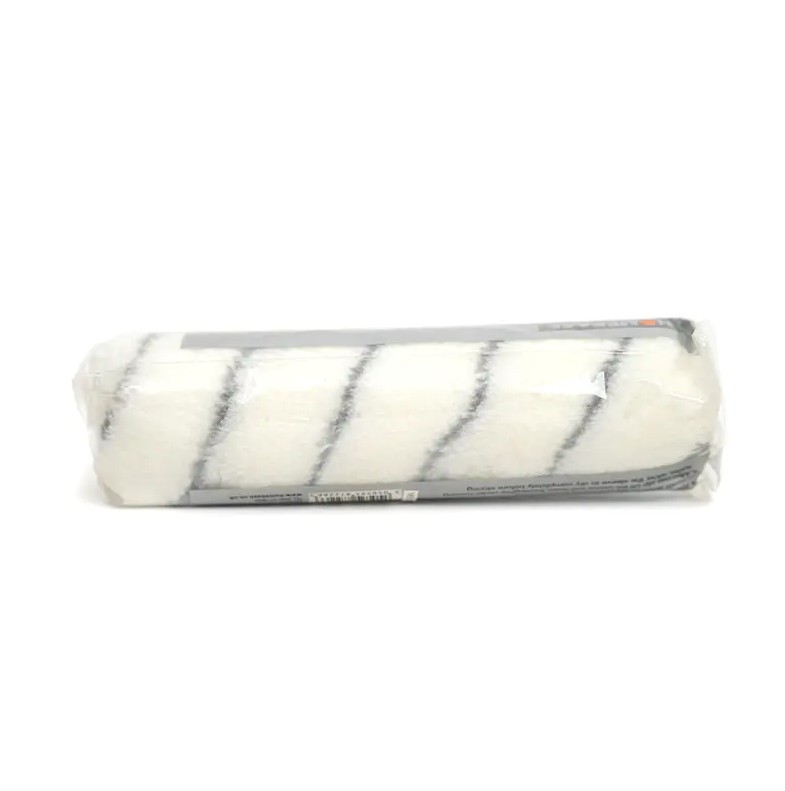
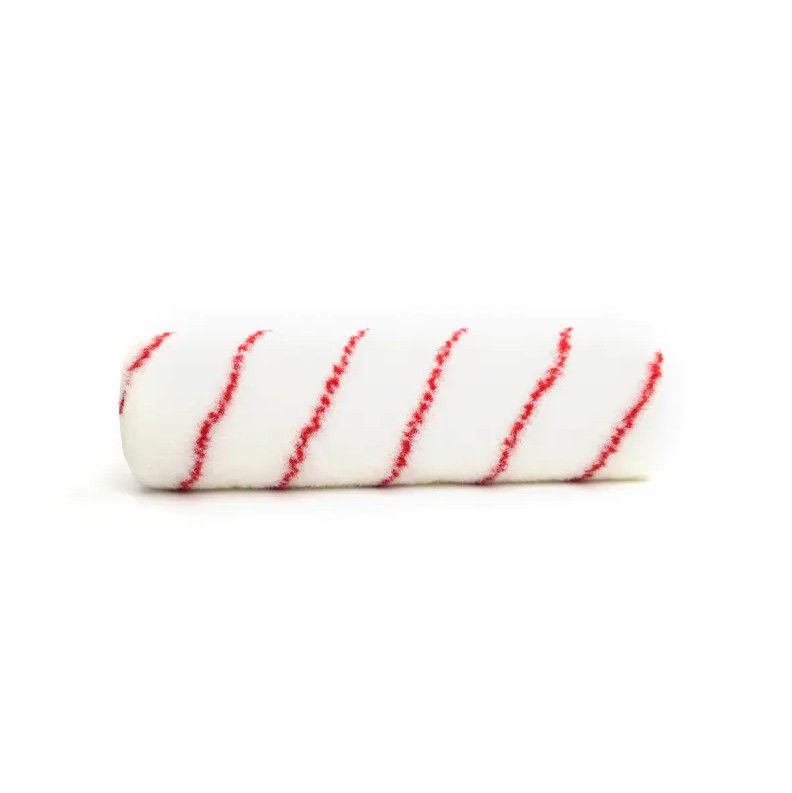
In home renovation or refurbishment projects, choosing the right roller is a key factor in determining the quality and efficiency of painting. A suitable roller not only saves you time and effort but also ensures a smooth, professional finish on walls or surfaces.
Content
Step 1: Choose the Roller Material Based on Paint Type
The roller material is the primary factor affecting the painting effect. Different paints require specific roller materials:
Water-based Paints (Latex Paint) Suitable Materials:
Recommended Materials: Polyester or synthetic fibers (such as nylon, polyester).
Features and Applications: Rollers made of this material have good absorbency, are easy to clean, and are less prone to shedding during use. They are the preferred tool for painting interior walls and ceilings. Using the right Painting Roller can significantly improve efficiency.
Oil-based Paints (Varnish, Varnish) Suitable Materials:
Recommended Materials: Natural fibers (such as wool) or solvent-resistant synthetic fibers.
Features and Applications: These rollers are stable and resistant to solvent corrosion. They are suitable for areas requiring fine coating, such as wood and metal surfaces, helping to achieve a smoother paint finish.
Materials suitable for primers or thick coats:
Recommended materials: Foam or mixed material rollers.
Features and applications: They offer good coverage and abrasion resistance, making them particularly suitable for rough surfaces or applications requiring special textured coatings, ensuring even paint distribution.
Tip: Correctly selecting the roller material is fundamental to achieving the desired painting effect. Please be sure to choose the appropriate Painting Roller based on your specific paint type.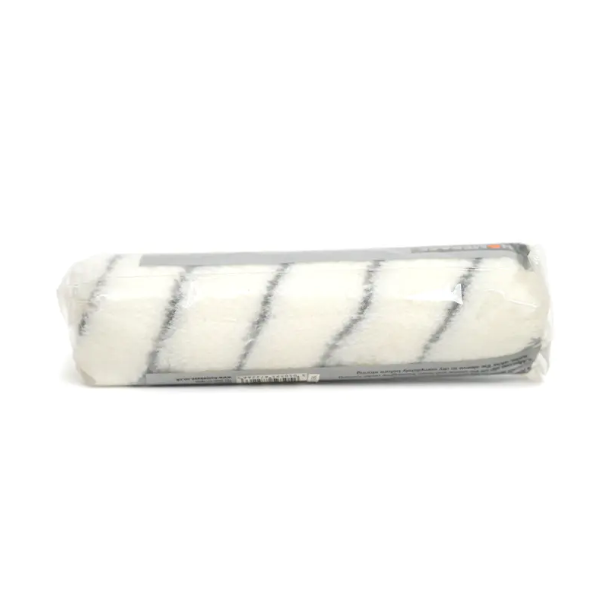
Step Two: Choosing the Roller Nail Length (Pile Height) Based on Surface Texture
The roller's nap length (also called pile height) directly affects the thickness of the paint film and the smoothness of the surface. This is a crucial step when choosing painting tools:
Short-nap rollers (approx. 5-10 mm): Suitable for smooth, flat surfaces (such as drywall, smooth wood). It produces the thinnest paint film, resulting in the smoothest and most even finish.
Medium-nap rollers (approx. 10-18 mm): This is the most commonly used and versatile roller type. Suitable for painting slightly textured walls or ordinary walls. It strikes a good balance between efficiency and smoothness.
Long-pile rollers (approximately 18 mm and above): Specifically designed for rough, textured surfaces (such as brick walls, cement walls, or heavy wallpaper). The long pile ensures that the paint penetrates deeply into the uneven surfaces for even coverage.
Step 3: Consider Roller Size and Shape
The size (width) and shape of the roller determine the efficiency and applicable area for painting:
Standard large rollers (9 inches/23 cm): This is the most common roller size, used for painting large areas of walls and ceilings with the highest efficiency.
Mini rollers (4-6 inches): Ideal for painting narrow spaces, corners, baseboards, door edges, or small pieces of furniture.
Irregularly shaped rollers: For example, rollers with cut edges or rounded corners can help you handle corners and edges more cleanly, reducing reliance on masking tape.
Choosing the right roller is key to successful painting. Remember these key points:
For standard interior latex paints, choosing a medium-pile or synthetic fiber roller is usually the best starting point.
Rough surfaces must be covered with a long-pile roller.
Rollers made of natural fibers (such as wool) are better suited for oil-based paints that require a very smooth finish.
Always wet the roller with water (for water-based paints) or remove any loose fibers with tape before starting work to ensure a clean paint surface.
By carefully matching the characteristics of the paint, surface, and Painting Roller, you will be able to easily achieve professional-grade painting results and perfectly complete your renovation project.