Español
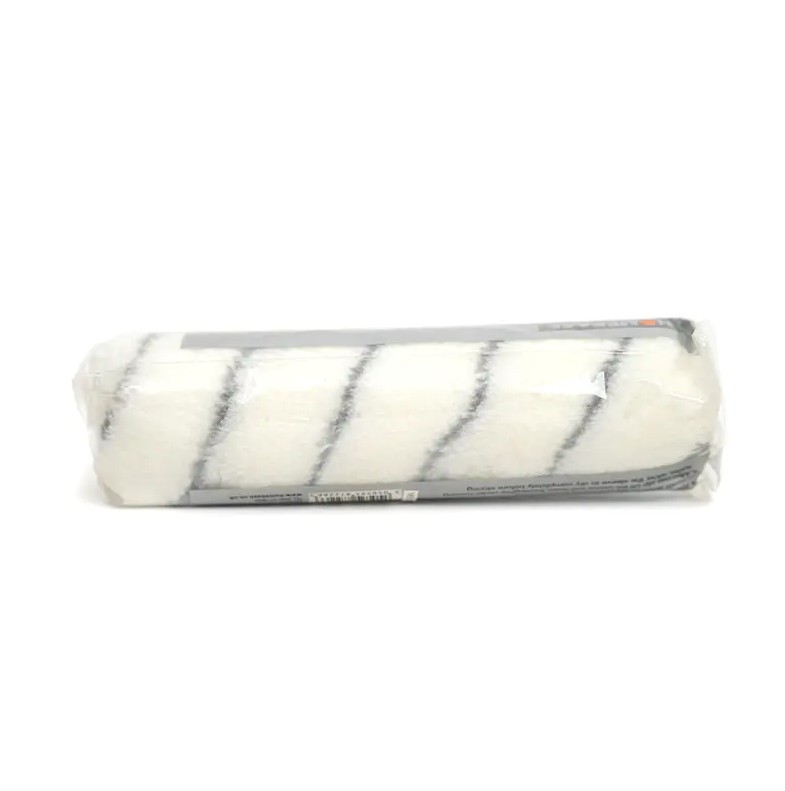
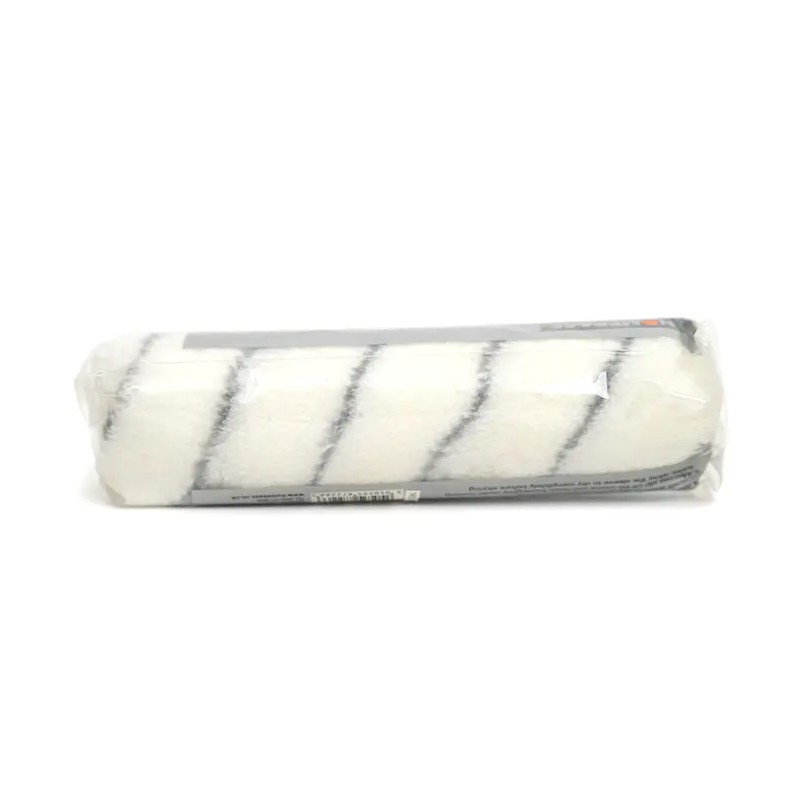
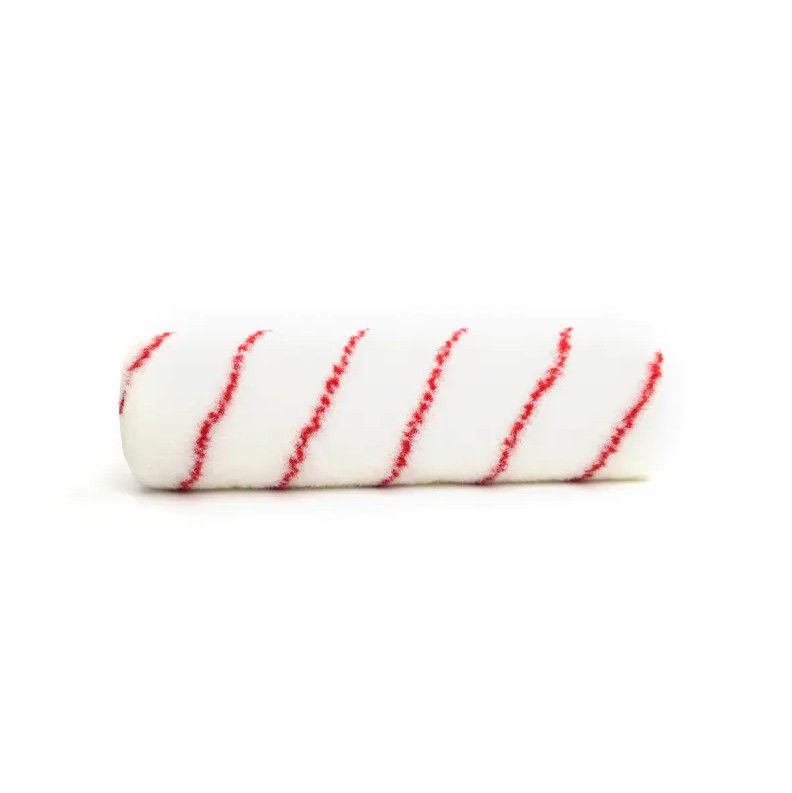
For textured walls, use a thick-nap roller with a nap thickness of ¾ inch (19mm) to 1½ inches (38mm). The deeper the texture, the thicker the nap you need. A ¾-inch nap works well for lightly textured surfaces like orange peel, while heavy textures like popcorn or stucco require a 1¼- to 1½-inch nap to push paint into all the crevices and peaks.
Choosing the wrong roller is one of the most common DIY painting mistakes — too thin a nap leaves valleys unpainted, while a roller that's too stiff can skip across peaks without depositing enough paint. This guide covers everything you need to make the right choice for your specific wall texture.
Content
- 1 Nap Thickness by Texture Type
- 2 Roller Cover Material: What Makes the Biggest Difference
- 3 Roller Frame and Core: Don't Overlook These
- 4 How to Apply Paint on Textured Walls for Best Results
- 5 Common Mistakes When Rolling Textured Walls
- 6 JIANGSU ZHIWEI Roller Covers for Textured Surfaces
- 7 Quick Reference: Choosing Your Roller at a Glance
Nap Thickness by Texture Type
The nap (or pile) of a roller cover is the single most important variable when painting textured walls. Here is a practical reference table to match your wall surface to the correct nap:
| Wall Texture | Recommended Nap Thickness | Typical Applications |
|---|---|---|
| Smooth / Flat | 3/16" – 1/4" (5–6mm) | Ceilings, new drywall, plaster |
| Light Texture (Orange Peel, Eggshell) | 3/8" – 1/2" (10–13mm) | Modern interior walls, light knockdown |
| Medium Texture (Knockdown, Sand) | 3/4" (19mm) | Sand-finish drywall, skip trowel |
| Heavy Texture (Stucco, Popcorn) | 1" – 1-1/4" (25–32mm) | Exterior stucco, popcorn ceilings |
| Very Heavy / Rough (Brick, Masonry) | 1-1/4" – 1-1/2" (32–38mm) | Brick, concrete block, rough stucco |
When in doubt, go slightly thicker. A ¾-inch nap on a light-texture wall causes minimal harm — it may produce a very slightly stippled finish — whereas a ¼-inch nap on a heavily textured wall will leave visibly unpainted recesses.
Roller Cover Material: What Makes the Biggest Difference
Nap thickness determines coverage depth, but the cover material controls paint release and durability. Three main materials are common:
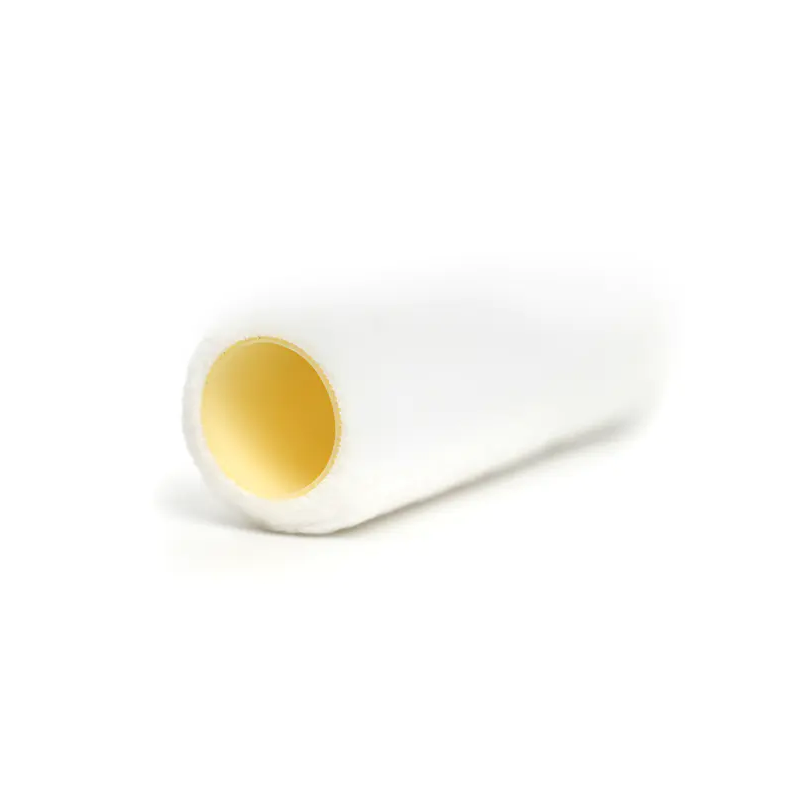
Polyester
Polyester covers are the most widely used for textured walls. They hold a large volume of paint, release it evenly, and resist matting even when pressing firmly against rough surfaces. They work with both latex (water-based) and oil-based paints and are reusable after thorough cleaning. For most indoor textured wall projects, a polyester cover is the default best choice.
Lambswool / Sheepskin
Natural lambswool covers absorb a substantial amount of paint — up to 50% more than a comparable synthetic cover — making them ideal for heavily textured or porous surfaces like exterior stucco or rough masonry. They provide an exceptionally smooth finish on peaks while pushing paint deep into crevices. The main drawbacks are higher cost and the fact that they are not compatible with water-based latex paints (the fibers absorb water and mat down).
Microfiber
Microfiber covers hold more paint than standard polyester and release it with very low spatter, making them popular for interior textured walls where overspray on floors or trim is a concern. They tend to leave a slightly finer finish than coarser polyester covers. A quality microfiber cover typically holds paint 20–30% more efficiently than polyester, meaning fewer trips back to the tray on large walls.
Roller Frame and Core: Don't Overlook These
The cover gets most of the attention, but the frame and core matter for textured surfaces too.
- Frame wire gauge: A heavier-gauge wire frame (typically 1/4-inch or 6mm steel) resists flexing under the pressure required to work paint into deep textures. Lightweight frames bend, causing uneven pressure and striping.
- Core material: Phenolic resin (plastic composite) cores are preferred over cardboard cores when painting textured walls. Cardboard cores can soften and collapse when soaked in paint during a long session. A rigid phenolic core maintains a consistent nap profile throughout the job.
- Roller length: A 9-inch (230mm) roller is standard for walls. For very rough exterior stucco or large masonry surfaces, a 12–18 inch roller increases coverage speed significantly — experienced painters can cover up to 40% more area per hour with a wider roller.
How to Apply Paint on Textured Walls for Best Results
Even the best roller delivers poor results with poor technique. Follow these steps for a uniform finish on textured surfaces:
- Load the roller generously. Textured surfaces consume significantly more paint than smooth walls. A medium-textured wall typically requires 25–50% more paint per square foot than a flat surface. Do not skimp on loading the roller — a dry roller drags and tears at the texture.
- Use a "W" or "M" pattern. Apply paint in a large W or M shape first, then fill in without lifting the roller. This distributes paint before you begin working it into the texture, reducing dry dragging.
- Apply moderate, steady pressure. You need enough pressure to compress the nap into crevices, but not so much that you scrape paint back off the peaks. A good test: if paint is beading or running off peaks, reduce pressure; if valleys are still showing dry spots after two passes, increase it.
- Plan for two coats minimum. One coat almost never achieves complete coverage on textured walls, especially when repainting a dark color over a lighter one or vice versa. Allow the first coat to dry fully (typically 2–4 hours for latex) before applying the second.
- Finish with a light back-roll. After applying paint, make a final pass with a lightly loaded roller using minimal pressure. This smooths out any heavy deposits on peaks and creates a more uniform sheen level across the surface.
Common Mistakes When Rolling Textured Walls
Avoiding these errors will save significant time and wasted paint:
- Using a smooth-surface roller on textured walls. A 3/16-inch nap roller on a knockdown or orange-peel wall leaves clear valley misses visible from an angle, especially after the paint dries.
- Rolling too fast. High-speed rolling on textured surfaces creates spatter and lifts paint from peaks rather than depositing it in valleys. A slower, deliberate pace improves penetration.
- Skipping primer. Textured walls — especially new drywall with texture applied over it — are highly porous. Skipping a primer coat means the topcoat soaks in unevenly and requires an additional topcoat to achieve the same coverage. A PVA drywall primer or high-build primer can cut total paint consumption by 30% on porous textured surfaces.
- Using a cardboard-core cover for long sessions. On multi-hour jobs, cardboard cores absorb enough paint to swell and deform, causing an uneven rolling surface. Switch to a phenolic core cover for any job lasting more than 2 hours of continuous rolling.
- Not testing the nap before purchasing a full set. Buy one roller cover and test it on a small inconspicuous area. Check after drying: if valleys show unpainted spots, move up to the next nap thickness.
JIANGSU ZHIWEI Roller Covers for Textured Surfaces
JIANGSU ZHIWEI produces a comprehensive range of roller covers specifically engineered for textured wall applications. Their product line includes polyester, microfiber, and lambswool covers in nap thicknesses from 3/8 inch through 1½ inches, all manufactured on rigid phenolic resin cores to maintain consistent profile under the pressure demands of heavy-texture painting.
Key features of JIANGSU ZHIWEI textured-wall roller covers include:
- High-density fiber construction that resists matting after repeated use on abrasive surfaces
- Solvent-resistant adhesive bonding the pile to the core, preventing shedding even in oil-based paint applications
- Compatibility with all standard 9-inch frames as well as extended 12-inch and 18-inch frames for large commercial surfaces
- Available in bulk contractor packs, making them a cost-effective solution for professional painters working on multi-unit or commercial projects
For buyers who want consistent quality across an entire project without sourcing multiple cover types, JIANGSU ZHIWEI's structured product line makes it straightforward to select the correct specification for each surface type on the job.
Quick Reference: Choosing Your Roller at a Glance
If you need a fast answer before heading to the store, use this decision guide:
- Light texture (orange peel, fine sand): 3/8"–1/2" nap, polyester or microfiber, 9-inch frame
- Medium texture (knockdown, skip trowel): 3/4" nap, polyester or microfiber, 9-inch frame
- Heavy texture (popcorn ceiling, coarse stucco): 1"–1-1/4" nap, polyester or lambswool (oil-based), 9–12 inch frame
- Masonry / brick / rough concrete: 1-1/4"–1-1/2" nap, lambswool or heavy-duty polyester, 12–18 inch frame
- Using latex paint: polyester or microfiber (avoid natural lambswool)
- Using oil-based paint: polyester or lambswool both work well
The single most important rule: match your nap thickness to your deepest texture, not your average texture. If your wall has both flat areas and deep crevices, size for the crevices — excess nap on flat areas is far less of a problem than insufficient nap in the recesses.