Español
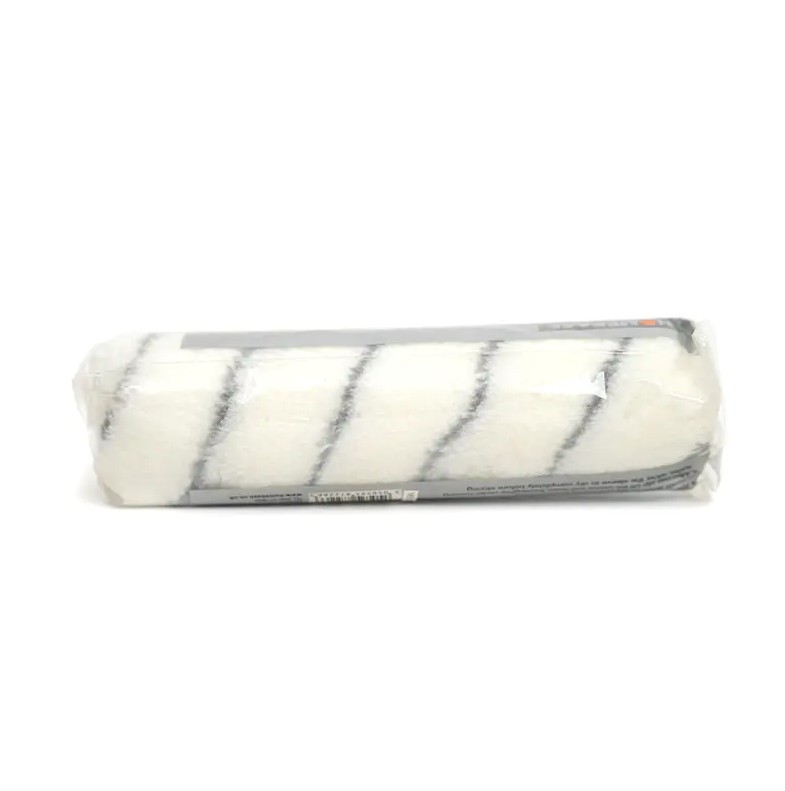
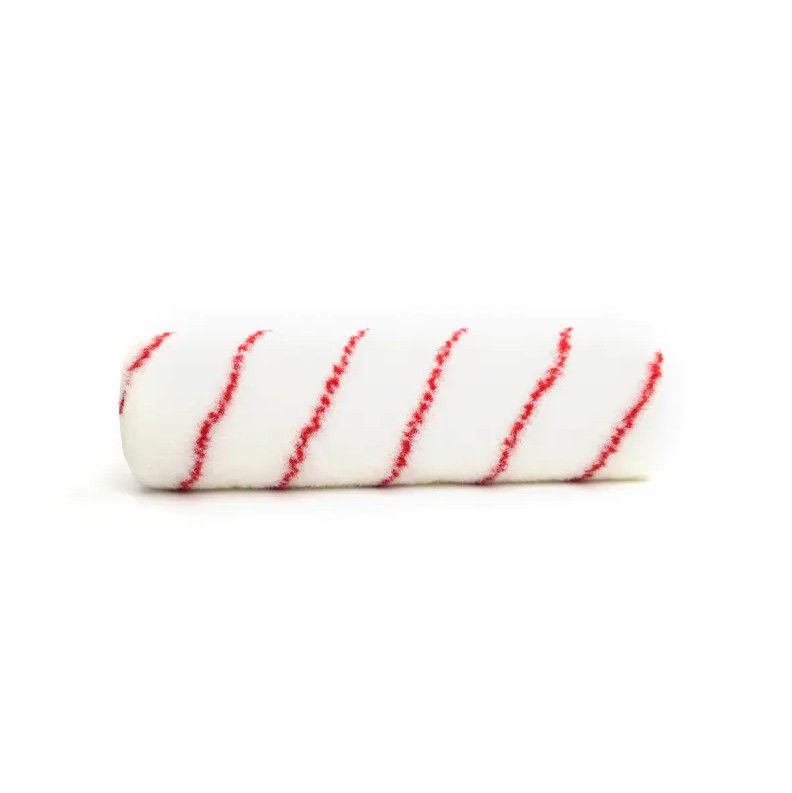
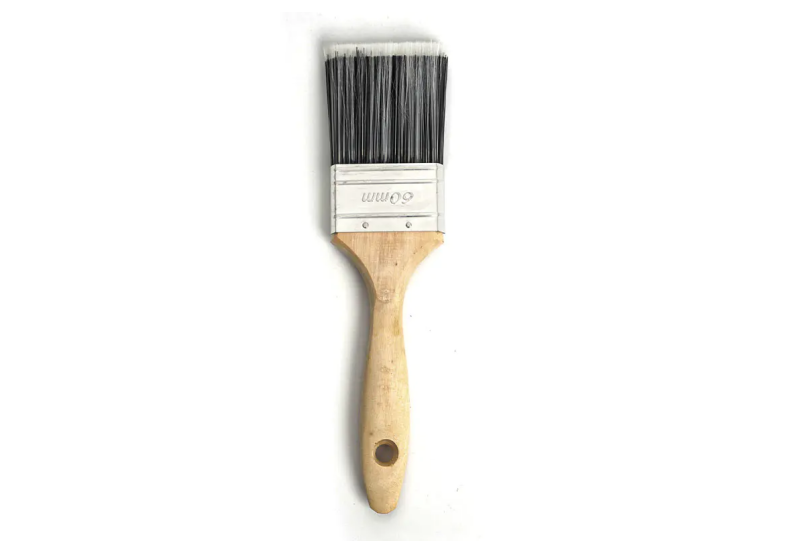
Paint Brush are invaluable tools for home renovations and DIY craft projects. However, the cleanup afterward is often a headache. Many people habitually rinse them directly under the sink or use large amounts of chemical solvents, which not only wastes water but can also pollute the environment.
Content
Why are traditional paintbrush cleaning methods undesirable?
Most people make the following two mistakes when cleaning Paint Brush:
Overusing tap water: For water-based paints, people tend to run the tap under high pressure for extended periods. This not only leads to a large amount of paint residue entering the sewer system but also wastes precious drinking water.
Reliance on strong solvents: For oil-based paints, traditional thinners (such as turpentine or mineral oil) are highly volatile (VOCs), not only having a pungent odor but also potentially seeping into the soil if not handled properly.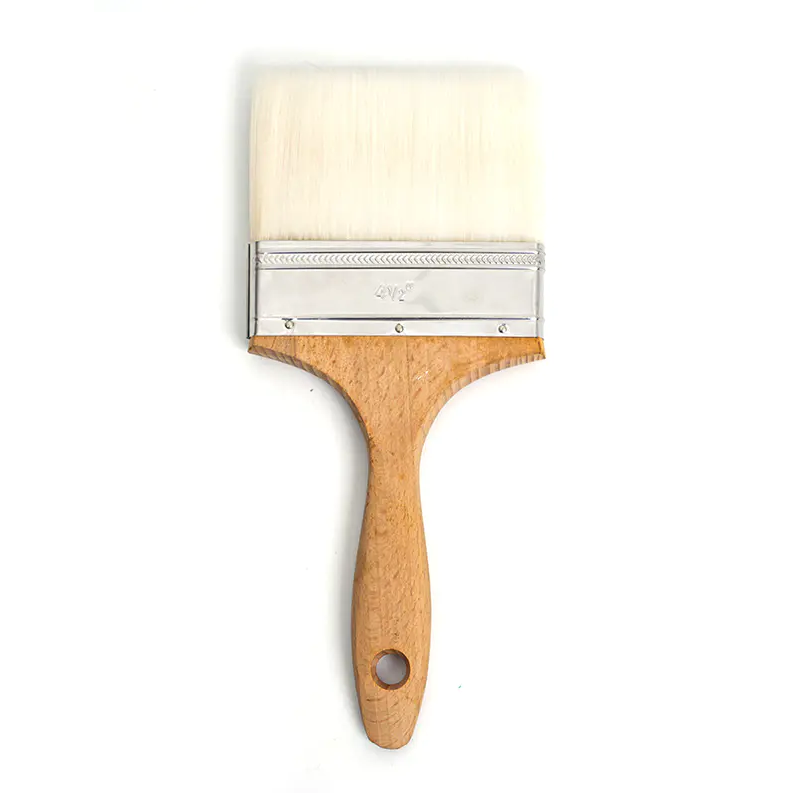
Eco-Friendly Paintbrush Cleaning Guide
To extend the life of your Paint Brush and reduce your eco-footprint, try the "Three Buckets Method":
1. Scrape Off Residual Paint (Subtraction Principle)
Before cleaning, use newspaper or an old cloth to scrape off as much residual paint as possible from the paintbrush. The less paint in the bristles, the less solvent or water will be needed for subsequent cleaning.
2. Soak and Grade Cleaning
Prepare three small containers (such as old cans or glass bottles):
First Bucket: Add a small amount of warm soapy water (for water-based paints) or an environmentally friendly bio-solvent. Immerse the paintbrush in the solution and rub it to remove most of the paint.
Second Bucket: Perform a second rinse to remove deep-seated residue.
Third Bucket: Rinse thoroughly with clean water to ensure the bristles are completely clean.
3. Solvent Settling and Reuse
This is key to eco-friendly cleaning. Do not pour the dirty water from cleaning the paintbrush directly down the drain. Let it sit overnight; the paint particles will settle to the bottom. You can pour the top layer of water or solvent into a sealed container for reuse the next time you clean your Paint Brush.
Maintenance Tips: Keep Your Paint Brush Like New
Combing the Bristle: After cleaning, use a specialized metal comb to straighten the paintbrush bristles to prevent them from frizzing after drying.
Proper Hanging: When drying, hang the paintbrush head down or lay it flat to prevent moisture from seeping into the metal band, causing rust or bristle loss.
Temporary Storage: If a project requires several consecutive days, daily cleaning is unnecessary. Wrap the paintbrush tightly in cling film and refrigerate it to prevent the paint from drying out and reduce cleaning frequency.
Learning to clean Paint Brush environmentally is not only a way to care for your tools but also a responsibility to the environment. By reducing the use of chemicals and wastewater discharge, our renovation process can become greener and healthier. Purchasing high-quality Paint Brush and maintaining them properly is more environmentally friendly and economical than frequently buying cheap disposable brushes.